
Description
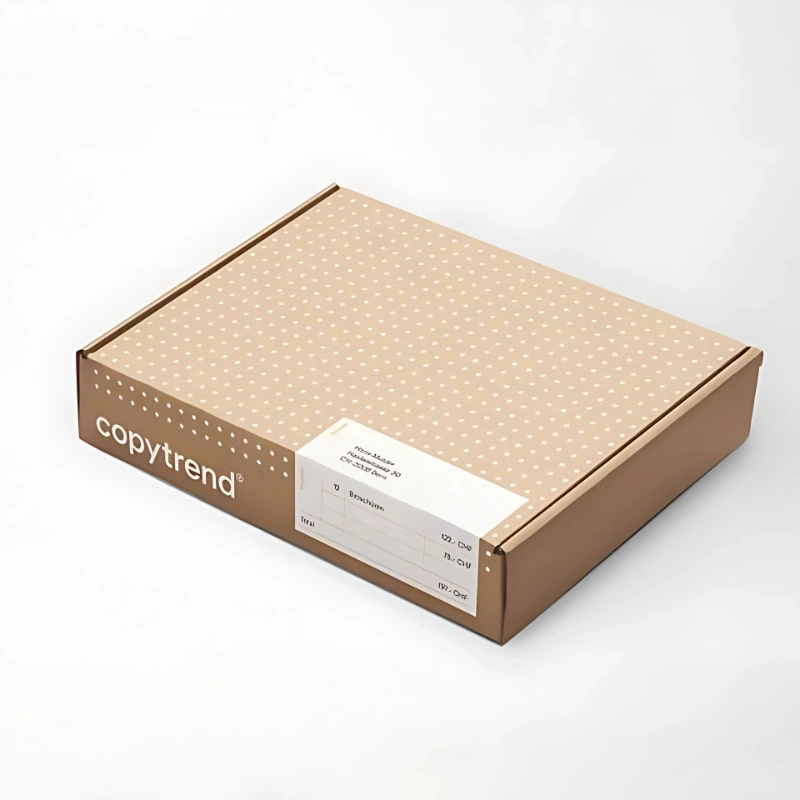
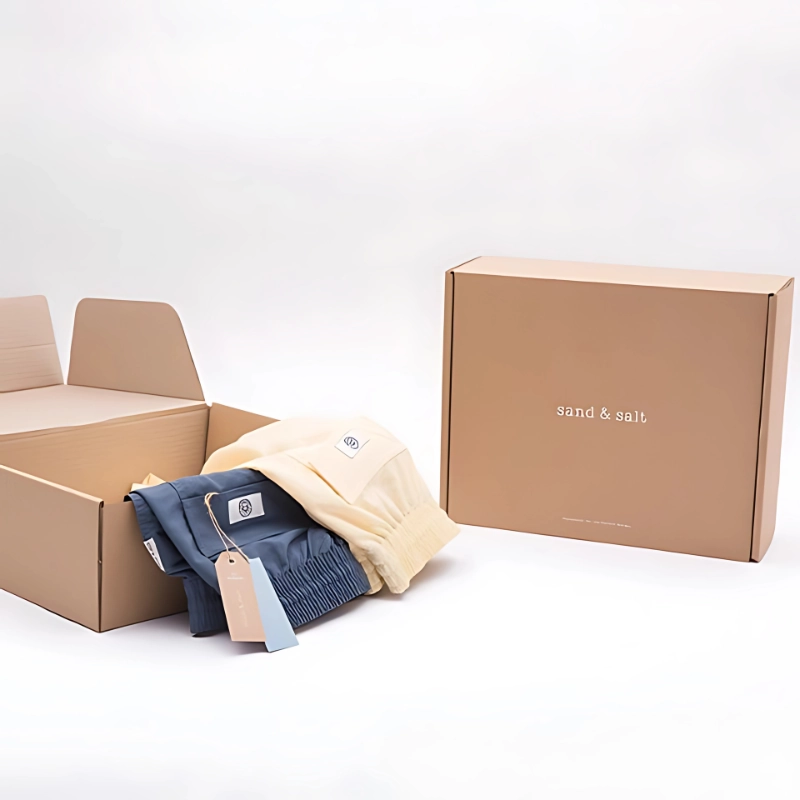
Bespoke ecommerce packaging is custom-made packaging developed around the products an online business sells, the way orders are packed and the conditions they meet during delivery. Rather than forcing products into a standard carton, the specification can bring together suitable dimensions, board, structure, print and internal protection for a more controlled packing and delivery process.
Why Bespoke Ecommerce Packaging Matters After Checkout
For an ecommerce business, the packaging has several jobs. It must contain the order, support the product during handling and give packing teams a practical format to work with. At the same time, the outside and inside surfaces can carry branding that connects the physical delivery with the online store.
Size is one of the first decisions. A box with too much unused space may need extra void fill and can allow products to move. A pack that is too tight can make loading awkward or leave no room for an insert or protective wrap. Therefore, the useful starting point is the packed product rather than an arbitrary outer box size.
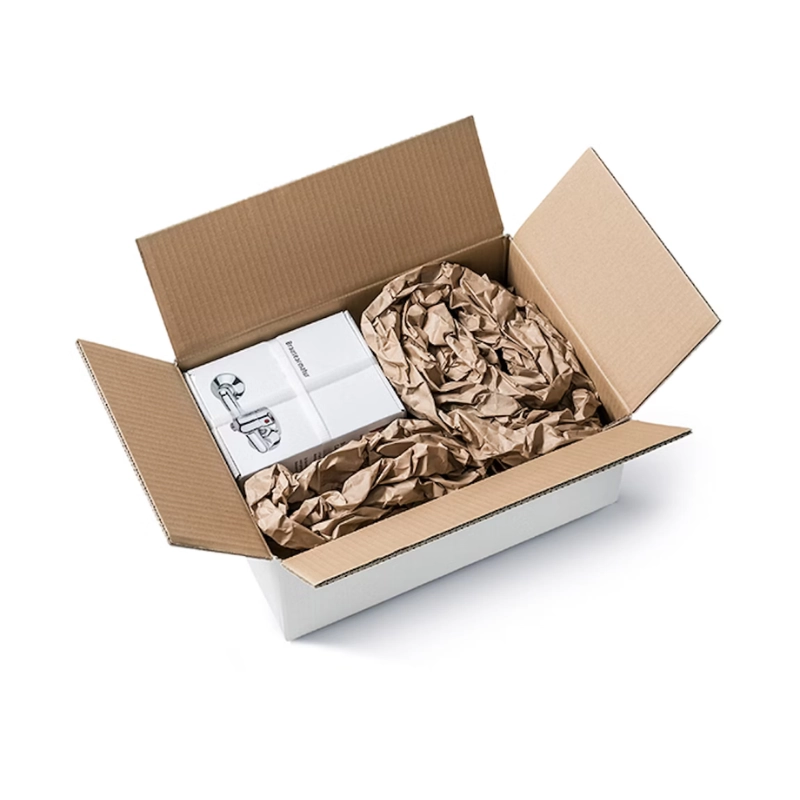
If several products regularly travel together, the structure may need dividers, pads or an insert. If order contents change frequently, a simpler corrugated box with flexible protective material may make more sense. Bespoke packaging should support the real fulfilment process, not make it more complicated.
Features That Affect Packing, Protection and Presentation
Useful ecommerce packaging features have a practical reason to exist:
- Made-to-fit dimensions: size can be developed around the product or common order combinations, helping control internal movement and unnecessary empty space.
- Appropriate closure: tuck-in, self-locking or taped closures can be considered according to the box style and dispatch requirements.
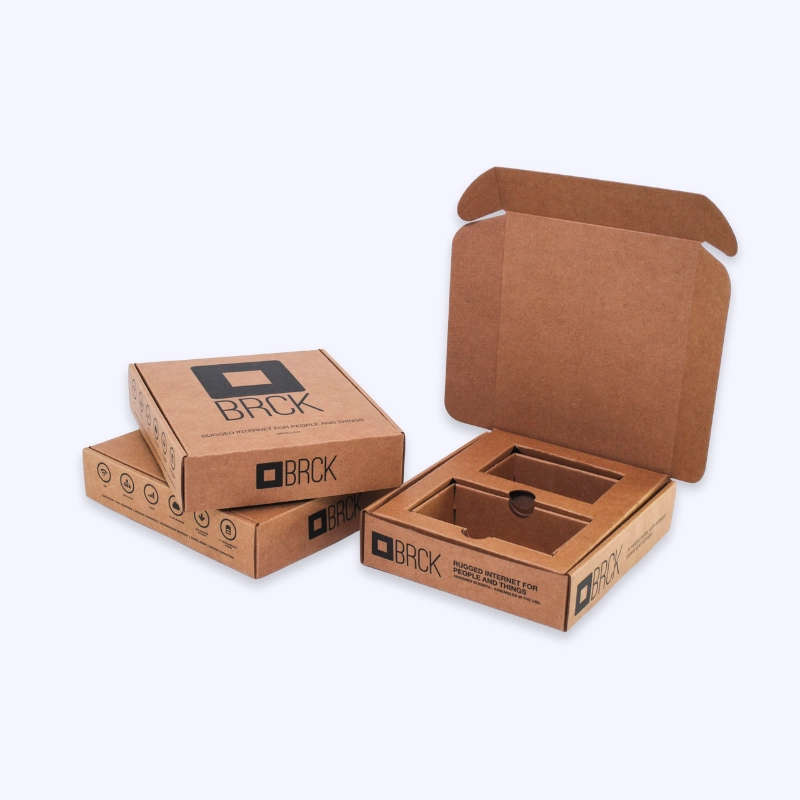
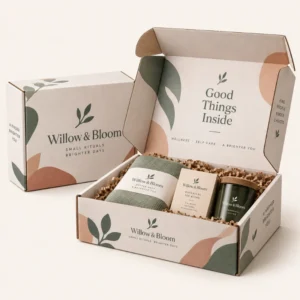
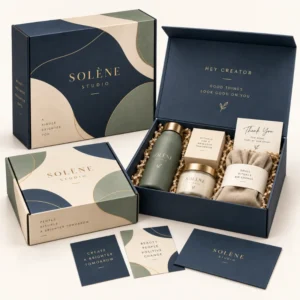
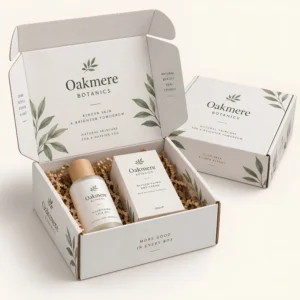
- Internal organisation: inserts, dividers or pads can separate products, locate individual items or support a planned presentation.
- Printable panels: external and, where suitable, internal surfaces can carry logos, instructions or campaign artwork.
- Delivery-ready structure: the outer construction should suit the packed weight, product shape and expected handling rather than appearance alone.
These choices work together. For example, adding an insert changes the internal space available, while heavier contents may affect the board and closure specification. That is why structure, dimensions and artwork should be discussed as one packaging project.
Choosing Board and Box Construction
Corrugated board is widely used for ecommerce shipping because its fluted construction adds stiffness while keeping the pack relatively light. The exact board specification should reflect the product, box size, packed weight and handling conditions. There is little value in naming a flute or board grade before those requirements are known.
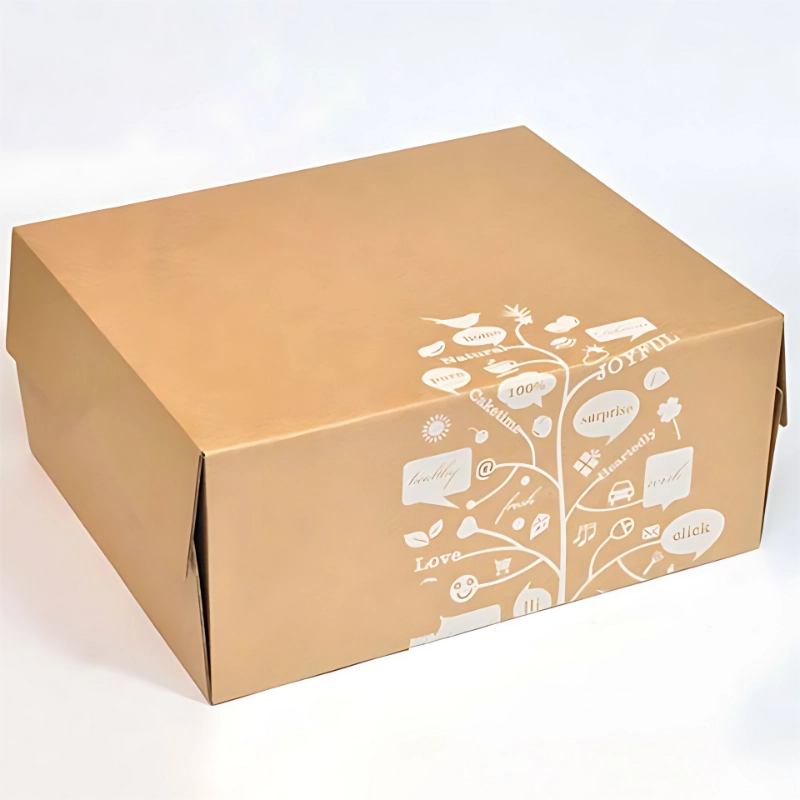
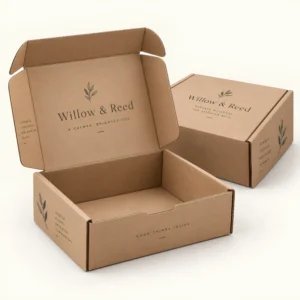
Kraft-facing corrugated board gives a natural brown appearance and can suit restrained branding. White-facing corrugated board creates a brighter surface for printed graphics. Cardboard boxes and lighter paperboard formats may suit some smaller applications, although they should not be treated as interchangeable with corrugated shipping structures.
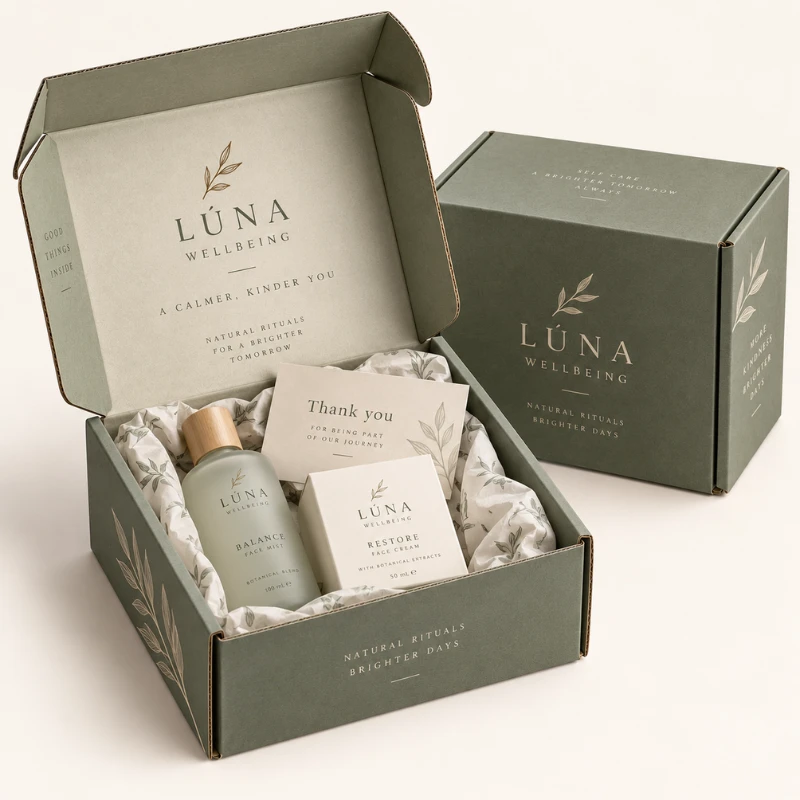
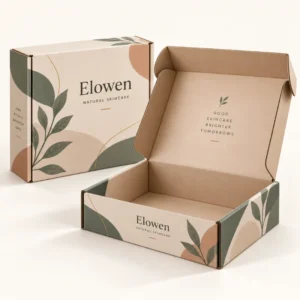
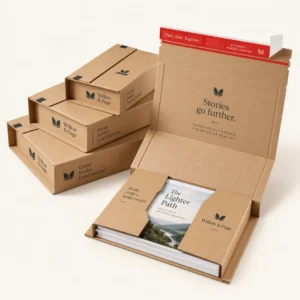
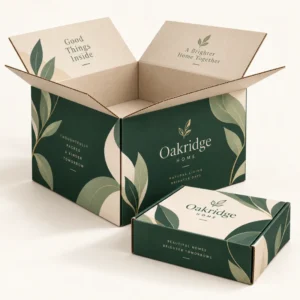
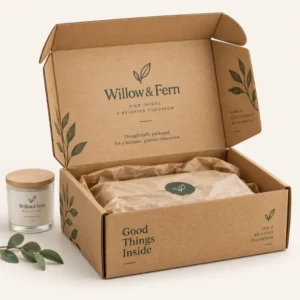
The structure also depends on how the order is packed. Custom mailer boxes can provide a hinged-lid format that opens neatly for presentation. Conventional shipping cartons may suit larger or mixed orders. Book-style wraps and other specialist formats have different strengths, so the best choice starts with the product and fulfilment method.
Custom Sizes, Inserts and Order Profiles
A useful custom size should account for the product in its packed state. Measure the maximum length, width and height, including retail cartons, bottles, lids, sleeves or other components that affect the final footprint. Also allow for any insert, padding or protective wrap inside the box.
Businesses with several SKUs should consider how many packaging sizes they genuinely need. One carefully chosen size may cover a group of products, while forcing every order into one universal box can create excessive empty space. The answer depends on order patterns, product fragility and warehouse practicality.
Inserts can be valuable when a product needs a fixed position or when several items should remain separated. However, they should solve a real packing problem. A decorative insert that adds complexity without improving location, separation or presentation may not be worthwhile.
Printing and Finishing for Ecommerce Brands
Printed ecommerce packaging can carry brand elements from the website into the delivery. Logos, colour blocks, instructions and campaign artwork can all be considered, but the dieline should guide the design. Folds, locking tabs, seams and shipping-label areas can interrupt artwork if they are ignored during layout.
The print process should suit the board, artwork and quantity. Depending on the specification, digital, flexographic or lithographic production may be appropriate. Likewise, finishes such as lamination, foil, varnish, embossing or spot effects should only be selected where they suit the substrate and serve a clear purpose.
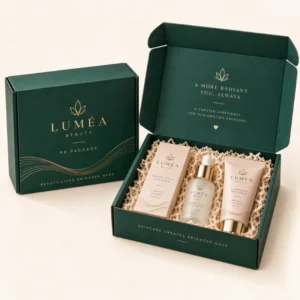
Internal printing can work well on mailer-style packaging because the message appears when the customer opens the lid. External printing gives the parcel an immediately branded appearance. Some businesses prefer a quieter exterior and stronger inside print. The right balance depends on brand presentation and delivery conditions.
Where Custom Ecommerce Packaging Is Useful
Bespoke ecommerce packaging can support many direct-to-customer operations, but the specification should change with the product. Typical applications include:
- clothing, accessories and soft goods that need neat presentation without excessive empty space;
- candles, cosmetics and bottled products that may benefit from controlled movement or inserts;
- books, stationery and printed goods that suit closely fitted mailers or wraps;
- subscription orders where a repeatable pack format helps keep presentation consistent;
- PR and influencer packs that may need organised product placement and stronger visual branding;
- mixed ecommerce orders where corrugated boxes give flexibility for different item combinations.
The purpose is not to create an elaborate unboxing experience for every parcel. For many brands, clean sizing, efficient packing and clear print are more valuable than extra layers of material.
Manufacturer Support From Specification to Artwork
Personalized Mailer Boxes is an in-house manufacturer of custom packaging. That gives the project a direct route between structural requirements, dimensions and artwork preparation.
Free design support can help when you need to position artwork on a dieline, understand printable panels or prepare branding for production. The structural discussion comes first, because artwork should be built around the final box layout rather than applied to an uncertain size.
Fast and free UK delivery is available for completed orders. However, production requirements depend on the individual specification, so dimensions, quantity, materials and print should be agreed before timing expectations are set.
What to Send for a Bespoke Ecommerce Packaging Quote
A clear enquiry makes it easier to define the right packaging:
- Tell us what products the packaging needs to hold.
- Provide the packed product dimensions where possible.
- Confirm the quantity you need.
- Explain whether orders contain one product, several products or changing combinations.
- Share any preferred box style, board appearance or closure requirement.
- Tell us if you need inserts, dividers, pads or space for protective material.
- Provide artwork if available, or use the free design support for production-ready layout guidance.
- Confirm any important delivery or postal constraints before the final specification is agreed.
If Royal Mail forms part of your fulfilment mix, record the finished parcel dimensions and weight alongside the empty box size.
Frequently Asked Questions
What is bespoke ecommerce packaging?
Bespoke ecommerce packaging is packaging specified around a business’s products, packing process and delivery requirements rather than selected only from standard stock sizes. It can include custom dimensions, a chosen board and box structure, branded print and, where useful, inserts or dividers.
How is custom ecommerce packaging different from standard boxes?
Custom packaging gives you control over dimensions, structure and print. Standard boxes are produced in fixed sizes and may work well when a close fit already exists. Bespoke packaging becomes useful when product fit, branding, protection, packing efficiency or presentation requires a specification that stock packaging cannot provide.
Can one ecommerce box size work for several products?
Yes, if the products have similar packed dimensions and the box still supports sensible packing. A shared size can simplify stock management. However, one universal box is not always efficient. Very different product sizes may leave too much empty space or require more protective material.
Can bespoke ecommerce packaging include inserts?
Yes, inserts can be considered when products need positioning, separation or a planned presentation. Their design should follow the actual product dimensions and box structure. Corrugated or paperboard fitments may be appropriate depending on the application, but an insert should solve a practical need rather than be added automatically.
Can ecommerce boxes be printed inside and outside?
Both areas may be printable depending on the board, structure and production method. External print can identify the brand during delivery, while internal print appears during opening. Artwork must account for folds, tabs, seams and any insert that could cover part of the printed area.
Which material should I choose for ecommerce packaging?
The material depends on product weight, dimensions, fragility, presentation and delivery conditions. Corrugated board often suits shipping boxes and mailers because its construction provides useful stiffness. Kraft or white-facing surfaces can then be selected according to the intended print and appearance.
What details do you need before providing a quote?
Provide the product dimensions, required quantity, typical order contents, preferred packaging style and any print or insert requirements. If artwork already exists, send it too. Clear information at the start helps define the structure accurately and reduces the risk of designing around assumptions.
Discuss Your Ecommerce Packaging Specification
Send Personalized Mailer Boxes your product dimensions, quantity, typical order format and branding requirements. We can then discuss the structure, board, print and internal packaging needed for a practical bespoke ecommerce packaging specification.








Reviews
There are no reviews yet.