
eco ecommerce packaging
Showing the single result
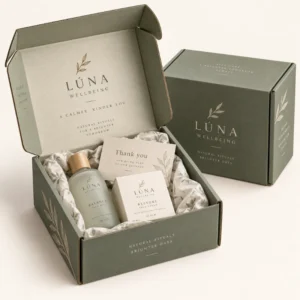
Eco ecommerce packaging is packaging for online orders that is designed to reduce waste, use materials responsibly and still protect products through delivery. It usually means recyclable cardboard boxes and mailers, minimal void fill, plastic free sealing where possible and a box size that fits the product without excess empty space. For online sellers, eco ecommerce packaging is a practical way to meet customer expectations on sustainability without compromising on protection or presentation.
Why eco ecommerce packaging matters for online sellers
Customers now notice packaging as soon as a parcel arrives. A box that is far too large, filled with plastic and hard to recycle can undermine an otherwise good product, while a tidy, recyclable box reinforces a brand that cares about waste. For sellers, that first impression affects reviews, repeat orders and social media unboxing posts, which are increasingly part of how online brands are judged. Sustainability in packaging is therefore not only an environmental choice, it is also a customer experience choice.
There are operational benefits as well. Right sized boxes use less board, take up less storage space and can reduce volumetric shipping costs where carriers charge by size as well as weight. Using less void fill speeds up packing and reduces the materials a warehouse needs to stock. A consistent range of recyclable boxes also simplifies waste handling in the warehouse, because staff deal with fewer material types and clearer recycling routes.
Materials that make a real difference
Corrugated cardboard is the backbone of most eco ecommerce packaging, because it is made from paper fibre, is widely recyclable and can include recycled content. Kraft board, with its natural brown appearance, suits brands that want an uncoated, honest look and a surface that prints well with simple artwork. Paper tape, paper void fill and paper cushioning can replace plastic alternatives in many parcels, provided they are matched to the fragility of the product. For items that need extra cushioning, paper based honeycomb wrap and corrugated dividers offer protection without introducing plastic film.
Recycled content and recyclability explained
Recycled content describes how much of the board comes from recovered paper fibre, while recyclability describes whether the finished box can be recycled after use. Both matter, but they are not the same thing. A box made with recycled content that is heavily laminated or combined with plastic may be harder to recycle, while a box made from virgin fibre that is uncoated and easy to recycle may still be a responsible choice if it comes from well managed forestry. Ask your supplier about both points, and choose the combination that fits your product and your customers recycling options.
Right sizing and reducing waste
Right sizing means choosing the smallest box that safely fits the product plus its necessary protection. It reduces board use, void fill use and parcel size, and it stops products moving around in transit. To right size effectively, measure your best selling products, group them by size, and stock a small range of boxes that cover those groups well. Avoid stocking a single large box for everything, because that creates waste on every small order and increases the chance of damage from movement inside the box.
Void fill should be used only where it adds protection. A snug mailer may need no void fill at all, while a fragile item in a larger box needs cushioning on all sides. Paper void fill, shredded cardboard and corrugated inserts can all be recycled with the box in most UK recycling streams, which makes disposal simpler for the customer than mixed plastic and paper waste.
Plastic free options and practical swaps
Going plastic free does not mean removing protection. It means finding paper based alternatives that do the same job. Paper tape seals a cardboard box securely and can be recycled with the box. Paper labels replace plastic labels where the application allows. Tissue paper, paper bubble wrap alternatives and corrugated wraps protect surfaces and fill gaps. For products that need moisture protection, consider whether a paper based barrier or a sealed inner paper bag is sufficient, rather than defaulting to plastic film for every order.
Branding without compromising sustainability
Printed eco ecommerce packaging can carry a logo, a simple pattern or a short message about recycling, printed with inks that suit the board type. Keep the design clear and avoid heavy coatings that could complicate recycling, unless a coating is genuinely needed for durability. A short recycling instruction printed inside the box, telling customers to flatten the box and recycle it with paper and card, helps ensure the box actually enters the recycling stream.
What to tell customers on the box
Use plain language and avoid vague claims. If a box is recyclable, say so and explain how to recycle it. If it contains recycled content, state that fact without overstating it. If a tape or insert needs separate disposal, explain that too. Honest, specific information builds trust far more effectively than broad green slogans, and it helps customers dispose of packaging correctly.
Ordering and planning for online sellers
Start with your top products, measure them accurately and order a trial quantity to test packing speed, protection and customer feedback. Custom corrugated boxes typically take 12 to 15 working days after final artwork approval, while standard boxes take 10 to 14 working days, so plan ahead for product launches and seasonal peaks. You can browse the range in the shop for printed packaging, request a tailored eco range through the get a quote page for custom boxes, and check delivery details on the delivery information page.
Frequently asked questions
What is eco ecommerce packaging made from?
Most eco ecommerce packaging is made from corrugated cardboard, kraft board and paper based tape, void fill and cushioning. These materials are widely recyclable in the UK and can include recycled paper fibre.
Is eco ecommerce packaging strong enough for fragile items?
Yes, when the board grade and internal protection are matched to the product. Eco packaging describes the material choice and waste reduction, not a weaker box, so fragile items still need appropriate cushioning and a snug fit.
How can I reduce packaging waste in my online store?
Right size your boxes, use void fill only where needed, switch to paper tape and paper cushioning where possible, and stock a small range of sizes that fit your best selling products well.
Can eco ecommerce packaging be printed with my branding?
Yes, cardboard boxes can be printed with a logo, pattern or recycling message. Keep coatings light where possible, leave space for labels, and check that print does not obscure handling or recycling information.