
packaging for ecommerce
Showing all 3 results
-
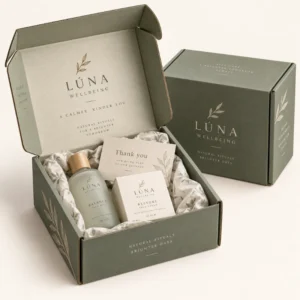
Bespoke Ecommerce Packaging
Get a Quote -
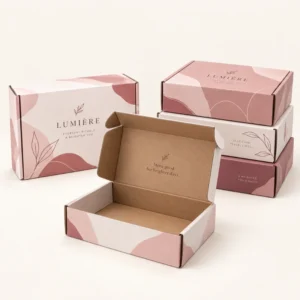
Custom Corrugated Mailer Boxes
Get a Quote -
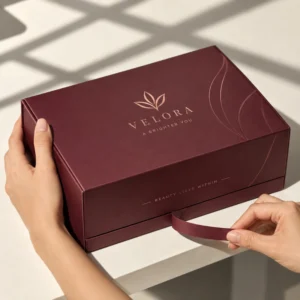
Tear Strip Mailer Boxes
Get a Quote
packaging for ecommerce covers everything an online seller needs to get an order from a warehouse shelf to a customer in good condition, including the outer box, any insert or void fill, and the print that presents the brand. It is not a single box style, but a system that must suit the product, the delivery route and the way the customer opens the parcel. When that system works, damage falls, packing speeds up and repeat orders rise.
Why packaging for ecommerce is a system, not one box
An online order may contain one product or many, may be light or heavy, and may travel a short local route or a long courier journey. A single box cannot suit every combination well, so sellers usually build a small system: two or three outer sizes, a standard insert or void fill approach, and a consistent way of sealing and labelling. That system keeps decisions simple for packing staff and keeps the customer experience consistent.
The system view also helps with costs. Oversized boxes waste board and postage space, while undersized boxes cause damage and returns. A well planned set of sizes, matched to real orders, usually costs less overall than a single size used for everything, even before branding is considered.
Outer boxes, inner boxes and protective layers
The outer box provides transit strength and a printable surface. An inner box or tray can present a product neatly and protect it from other items in the same parcel. Protective layers such as paper void fill, tissue, dividers or moulded pulp fill the gaps and stop movement. Each layer has a job, and adding a layer that does not stop movement or improve presentation only adds weight and waste.
When an inner box earns its place
An inner box earns its place when the product needs retail style presentation inside a plain outer, when several items must be kept apart, or when a gift set must open as a single considered unit. If the product is robust and the outer already presents the brand well, an inner box may be needless.
Materials for ecommerce packaging
Corrugated board is the usual outer material, because it resists crushing and absorbs knocks during sorting and stacking. Single wall board suits light orders, while double wall board suits heavy, fragile or high value orders. Folding boxboard suits inner presentation boxes, where print quality and a neat fold matter more than transit strength. Kraft board suits brands with a natural or handmade identity, while white board suits brands with bright, detailed artwork.
Paper based void fill and tissue suit most orders and can be recycled with the box in many local collections, subject to local rules. Plastic void fill and foam suit very fragile items, but they complicate recycling for the customer, so use them only where paper protection cannot do the job. State the material choice simply on the box if customers are likely to ask how to recycle it.
Branding across the whole parcel
Branding works best when the outer, the inner and any printed note share the same colours, type style and tone of voice. A customer should recognise the brand from the outer box, feel the same identity when the lid opens, and find the same care in the returns note. Inconsistent branding, such as a premium inner box inside a damaged plain outer, undermines the impression the inner box was meant to create.
Print that helps the customer, not just the brand
Use print to help the customer as well as to promote the brand. Clear opening instructions, a note about what is inside, care guidance and returns information all reduce queries and returns. Place that helpful print where it will be seen at the right moment, such as inside the lid for opening notes and on the base for returns notes.
Planning sizes and protection for real orders
Analyse recent orders before choosing sizes. Look at the most common single item orders, the most common multi item orders, and the heaviest orders, rather than planning around an unusual order that occurs rarely. Choose internal sizes that hold those common orders firmly, with a standard void fill approach that packing staff can repeat quickly.
Test the system with packed samples, including a drop, a shake and a stack test with other parcels on top. Check the product, the corners, the seal and the label after each test. A system that passes those tests with your heaviest common order will usually handle everyday orders well.
Sealing, labelling and returns
Seal with strong tape along the centre seam and across the ends, and keep the label flat on the largest face, away from flaps and folds. Include returns information inside the parcel as well as on the outer, so a customer who has already opened the box can still find it. A clear returns process reduces damage to returned products, because customers are less likely to force a product back into a box that does not fit it.
Packing speed and accuracy
Keep the most used sizes and void fill close to the packing bench, label storage clearly, and use a simple checklist for multi item orders. Speed matters in ecommerce, but accuracy matters more, because a wrong item or a damaged item costs far more in handling time than a few seconds saved during packing.
Ordering and lead times
When you request a quote for ecommerce packaging, share your product range, your typical order sizes, your monthly volume and the print you need. Standard boxes are normally produced in 10 to 14 working days after final artwork approval, and corrugated boxes in 12 to 15 working days. Those figures are production lead times, not a guaranteed delivery date. Sellers who place packaging on the UK market should also check the GOV.UK packaging producer responsibility guidance for their duties. You can also browse the full packaging shop and read delivery information before you order.
Frequently asked questions about packaging for ecommerce
What does ecommerce packaging include?
It includes the outer box, any inner box or insert, void fill, sealing tape and printed notes. Together those parts protect the order and present the brand.
How many outer sizes do I need?
Most sellers need two or three outer sizes for common orders, plus a larger size for mixed baskets. Analyse recent orders before fixing the range.
Should I print inside my ecommerce boxes?
Inside print works well for welcome messages, care notes and returns information. Keep the outside label area clear so the parcel scans easily.
How can I reduce packaging waste?
Choose close fitting sizes, use the lightest protection that stops movement, and avoid layers that add no protection or presentation value. Review sizes after changes to your product range.