
ecommerce postal packaging
Showing all 2 results

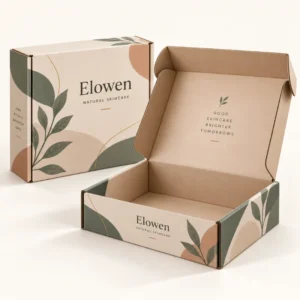
ecommerce postal packaging is the complete set of materials used to pack, protect and present an online order for delivery through the post or by courier. It includes the outer box or mailer, the inserts that hold products still, the seal that keeps the parcel closed, and the label area that carries delivery details. When these parts work together, orders arrive intact, look professional on opening, and are easy for the customer to recycle.
What ecommerce postal packaging includes
Most online orders need more than a single box. The outer layer gives structure and a surface for print and labelling. The inner layer stops movement, cushions fragile points and separates items in a multi product order. The seal and any outer wrap add security and weather resistance where needed. Thinking of postal packaging as a system, rather than as one item, helps avoid the common problem of a strong box with loose contents inside.
Formats vary with product type. Rigid mailer boxes suit cosmetics, gifts and small electronics that benefit from a firm outer shell. Book wraps suit flat products such as books, prints and slim apparel packs. Mailing bags suit soft goods that do not need rigid protection, while padded mailers suit small items that need light cushioning without a full box. Choosing the format first, then the board and insert, keeps the parcel compact and the packing bench efficient.
Outer formats for different orders
A hinged lid mailer opens cleanly and presents the product well, which suits gift orders and subscription style packs. A crash lock box assembles in seconds and gives a strong base for heavier single items. A wrap style pack folds around a flat product and adjusts to its depth, which reduces empty space. For soft goods, a paper mailer can be enough, provided the product is not easily creased or crushed in sorting.
Inner protection that matches the product
Card inserts, dividers and trays hold products in place and stop them rubbing against each other during transit. Paper void fill cushions gaps without adding much weight, while shaped inserts centre a fragile item away from the box walls. Tissue or a paper sleeve adds a finished feel for apparel and gifts. The aim is snug, not tight: the product should not move freely, but it should not be forced into a space that strains the box.
Materials, print and sustainability in ecommerce postal packaging
Corrugated board is the workhorse of postal packaging because it combines strength, light weight and recyclability. Single wall board suits most light and medium orders, while double wall board suits heavier goods and parcels that will be stacked. Kraft board gives a natural look and good print contrast for simple designs, while white board gives a bright base for full colour artwork and photographic detail. Paper based tapes and labels keep the parcel closer to a single material stream for recycling.
Print should serve the brand and the customer at the same time. Outside print builds recognition on the doorstep, inside print can carry a welcome message, care guidance or a simple returns note. Keep the label zone clear and flat, and avoid placing essential print where a fold, seam or tape line will break it. A restrained design often reads better in transit than a dense pattern, because parcels are seen briefly and in varied light.
Reducing waste without reducing protection
Right sizing is the simplest sustainability step. A box that fits the product closely uses less board, needs less filling material and takes less space in storage and in delivery vehicles. Avoid plastic void fill where paper alternatives protect equally well, and avoid mixed material laminates unless the product genuinely needs moisture resistance. Customers can then flatten and recycle the main parcel materials without separating layers.
Seals, tapes and labels in practice
Peel and seal strips suit high volume packing because they close quickly and consistently. Paper tape suits brands that want a fully paper based parcel and a clean seal line. For heavier parcels, a tape sealed flap with a firm adhesive gives extra confidence. Labels should sit on a flat panel, away from edges, with barcodes printed clearly and not stretched across a fold. A short packing check at the bench catches most label and seal problems before dispatch.
Sizing ecommerce postal packaging for UK delivery
Finished parcel size affects delivery options, so measure the packed parcel rather than the empty box. Include inserts, tissue, any sleeve and the closure thickness, because those details add millimetres that can matter. Weigh the packed parcel too, since weight bands sit alongside size bands for many services. A trial pack with real products gives a truer result than a measurement taken from a product listing alone.
Use the Royal Mail size and weight guide to check current UK limits for letters, large letters, small parcels and medium parcels before finalising a size. That check is especially useful for slim products that sit near a large letter limit and for small parcels that sit near a weight limit. Where an order regularly sits close to a limit, a slightly smaller insert or a slimmer box can keep the parcel in the intended band.
Packing workflow for busy online shops
A smooth packing workflow starts with flat packed stock stored by size, with inserts and seals close to the bench. Standard pack steps for each product type reduce errors and speed up training for new staff. Keep a sample packed parcel for each main product so the team can compare new packs against an agreed standard. Photograph the agreed pack from the top and the side for the packing guide, so the standard stays visible even when staff change.
Returns and repeat orders
Postal packaging that can be reused for a return saves the customer effort and protects the product on its way back. A resealable strip, a second adhesive area or a clear returns instruction inside the lid all help. For repeat orders, consistent box sizes and print help customers recognise the brand and help the packing team work faster. Consistency also makes storage simpler, because fewer sizes need to be held.
Ordering ecommerce postal packaging that fits the business
A useful brief covers product types, typical order sizes, fragility, monthly volume, storage space and any parcel size limits that matter. Share artwork early and check the proof for label space, opening direction and inside print position. After final artwork approval, standard orders typically take 10 to 14 working days, corrugated orders 12 to 15 working days, and rigid or specialist orders 13 to 16 working days. These times describe production after approval and are not a guaranteed delivery date.
Explore related options through ecommerce postal boxes and ecommerce shipping packaging to compare box based and system based approaches. The shop shows current ranges, about us explains the business behind the ranges, and get a quote is the route to discuss board, format, print and quantity.
Questions to settle before a large order
Confirm whether the packaging must survive courier sorting, postal sorting or both, and whether it will be stored flat or assembled. Confirm print on one side or both sides, insert material, seal type and any need for a gift message card. Note seasonal peaks, because a size that works for a single item order may need a larger companion size for gift sets and multi item orders at busy times.
Testing a new postal pack
Test the new pack by packing, sealing, labelling and opening it exactly as a customer would, then inspect the product for scuffs, dents or movement marks. Drop the sealed parcel gently from bench height onto a firm surface to check corner strength, and stack a light weight on top overnight to check shape retention. Approve the pack only when the product, the print and the seal all pass those everyday tests.
Frequently asked questions about ecommerce postal packaging
What is included in ecommerce postal packaging?
It includes the outer box or mailer, inserts or dividers, protective filling, the seal or tape, and the label area. Together these parts protect the product, present the brand and carry the parcel safely through sorting and delivery.
Should I use a box or a mailer for an online order?
Use a box for rigid, fragile or multi item orders that need structure and separation. Use a mailer or wrap for flat, soft or light items that do not need a rigid shell, provided the product will not crease or crush easily in transit.
How do I keep postal packaging recyclable?
Choose paper based board and inserts, use paper tape where suitable, and avoid mixed material coatings unless protection genuinely requires them. Right size the parcel so less board and filling material is needed for each order.
How can I reduce damage in transit?
Right size the box, hold the product still with an insert, protect corners and fragile points, and seal firmly. Test a packed sample through handling, stacking and opening before ordering a large quantity.
How long does production take after artwork approval?
After final artwork approval, standard orders typically take 10 to 14 working days, corrugated orders 12 to 15 working days, and rigid or specialist orders 13 to 16 working days. Proof revisions can extend that timetable.