
flexible packaging UK
Showing all 7 results
-
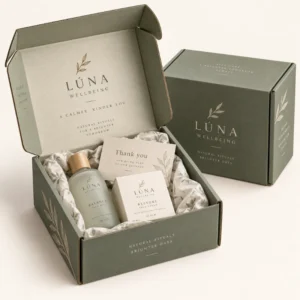
Bespoke Ecommerce Packaging
Get a Quote -
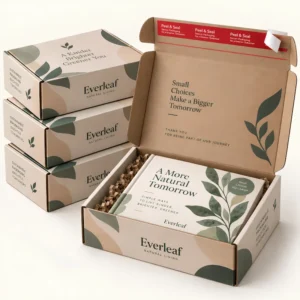
Custom Book Mailer Boxes
Get a Quote -
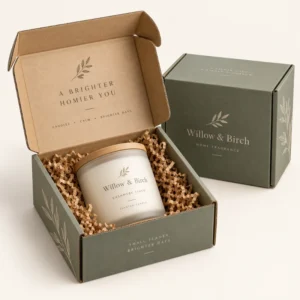
Custom Candle Mailer Boxes
Get a Quote -
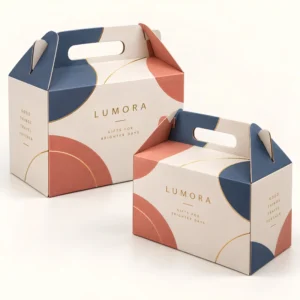
Custom Gable Boxes
Get a Quote -
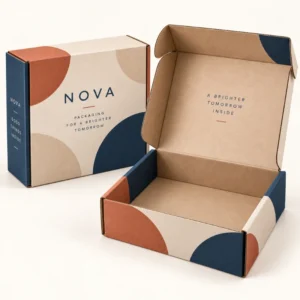
Custom Mailer Boxes UK
Get a Quote -
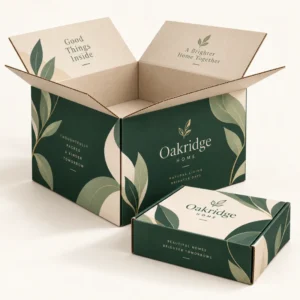
Custom Shipping Boxes
Get a Quote -
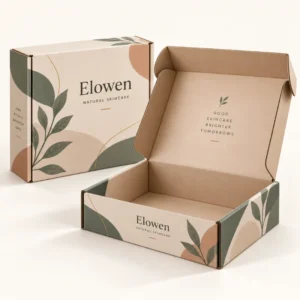
Printed Postal Boxes
Get a Quote
flexible packaging uk covers pouches, bags, and film based packs made in or supplied for the UK market, used for food, drink, pet products, cosmetics, supplements, and other retail goods that suit a soft pack rather than a rigid box. It includes stand up pouches, flat pouches, resealable bags, and spouted pouches, each made from layered film that can protect against moisture, oxygen, light, and odour. For many brands, flexible packaging uses less material and less storage space than a rigid container, while still giving a strong shelf presence through full colour print.
What flexible packaging uk means for UK brands
Flexible packaging is defined by the material, not by a single shape. Instead of a fixed box or bottle, the pack is formed from film that is sealed around the product. That flexibility allows the pack to conform to powders, granules, snacks, liquids with care, and soft goods, and it allows the pack to be shipped flat before filling, which saves warehouse space. Once filled and sealed, the pack should stand, hang, or lie as intended, and it should open and close in a way that suits how the customer actually uses the product.
In the UK, food and drink brands are the largest users, followed by pet care, health and beauty, and household products. Coffee, tea, snacks, dried goods, sauces with a suitable spout format, pet treats, bath salts, and supplement powders all appear in flexible packs. The choice is rarely about fashion alone. A good barrier film keeps a product fresh for longer, a resealable closure keeps it usable after opening, and a clear window or a matt finish can help the product stand out on a shelf or in an online photograph.
Regulation and recycling also shape UK choices. Brands need to consider food contact suitability, labelling requirements, and how the customer should dispose of the pack. A single material film that can be recycled through the appropriate stream is easier to explain than a complex multi material laminate, even if the laminate gives a stronger barrier. That trade off between protection and recyclability is central to most flexible packaging decisions, and it should be discussed openly at the brief stage.
Main flexible formats explained
Stand up pouches have a gusset at the base so they stand on a shelf, and they are widely used for coffee, snacks, pet treats, and powders. They can include a resealable zip, a tin tie, a valve for coffee where needed, or a spout for liquids. Flat pouches, sometimes called pillow pouches, suit single portions, sachets, and products that will be displayed in a box or hung from a hook. Flat bottom pouches, also called box pouches, give a more stable base and a larger front panel for branding, and they suit larger retail packs.
Bags and film wraps cover a wider set. Side gusset bags expand to hold bulkier dry goods, while simple poly bags suit non food items, garment packing, and protective inner bags. Shrink film and flow wrap suit multipacks and products that need a tight outer wrap. Each format has a different filling method, so the choice should follow the production line as well as the shelf. A pouch that looks perfect in a photograph but cannot be filled efficiently will cause problems at scale.
Closures that match how customers use the product
A resealable zip suits products used over several days, such as coffee, snacks, and pet treats, because it keeps the product fresh after opening and reduces spills. A tin tie suits bakery and dry goods where a simple fold and clip is enough. A spout suits liquids and sauces that are poured in portions, while a tear notch suits single use sachets that should open cleanly without scissors. Test closures with real hands, including damp hands where relevant, because a closure that is hard to open will frustrate customers even if it seals well.
Materials, barrier and sustainability in flexible packaging uk
Barrier is the technical heart of flexible packaging. Oxygen, moisture, light, and odour can each shorten shelf life or change flavour, so film layers are chosen to block the factors that matter most for a given product. A dry snack needs a different barrier from a liquid sauce or a fragrant coffee. A supplier should ask about the product, its shelf life target, storage conditions, and whether the pack will face heat, light, or humidity in transit, before recommending a film structure.
Material options include mono material films designed for recycling, paper based films with a barrier layer, and traditional multi layer laminates that give a very strong barrier but are harder to recycle. Recyclable mono material pouches have improved greatly, and they suit many dry and ambient products, but they may not suit every product that needs a long shelf life or a very high barrier. Compostable films suit some applications, but they need the right disposal route and clear labelling so customers do not place them in the wrong stream.
Print on flexible packaging is usually full colour, which gives brands freedom for photography, illustration, and bold colour. A matt finish gives a premium, soft feel, while a gloss finish makes colours look brighter and can suit a playful brand. A clear window shows the product inside, which helps for snacks, grains, and colourful goods, but a window also exposes the product to light, so it should be used where light sensitivity is not a concern. Discuss finish, window, and barrier together, because each choice affects the others.
Choosing a film for your product type
For coffee and tea, aroma protection and a valve or resealable closure often matter most, because flavour fades quickly once the pack is opened. For snacks and dried goods, moisture and oxygen protection matter most, because crispness and freshness depend on a tight seal. For powders and supplements, a strong seal and a resealable closure matter, because the product is used in small portions over time. For liquids, seal strength and spout reliability matter most, because a leak damages the product, the outer box, and other orders.
For non food products, such as cosmetics, bath products, and household goods, barrier needs are usually lower, but seal strength, print quality, and ease of opening matter just as much. A pouch for a bath salt or a scrub should resist moisture in a bathroom, close securely after use, and look good on a shelf next to rigid jars and bottles. Sample testing with the real product, stored in realistic conditions, is the best way to confirm a film choice.
Questions to ask a flexible packaging supplier
Ask what film structure is proposed and why, what barrier it gives for oxygen and moisture, how it should be disposed of in the UK, and what filling method it suits. Ask for filled samples, stored for a realistic period, and test opening, resealing, and pouring. Ask about minimum quantities, print proofing, and lead times, because flexible packaging often involves print cylinders or digital print setup that affects both cost and timing.
Ordering flexible packaging uk for your brand
Start with the product and the customer journey. Describe the product, its weight or volume per pack, its shelf life need, and how the customer will open, use, and store it. Share the sales channel as well, because a pouch for a retail shelf, an online subscription, and a farmers market stall may need different sizes, closures, and print. A clear brief leads to a film and format recommendation that fits production, rather than a generic pouch that looks right but performs poorly.
For orders that use a specialist board, film, or finish, allow 13 to 16 working days after final artwork approval, and confirm the exact window at the quote stage. Flexible packaging lead times vary with print method and quantity, so early artwork approval and a confirmed specification help keep a launch on track. Keep a small stock of plain or lightly branded packs for testing and for unexpected demand, so a new product can be trialled without waiting for a full printed run.
When you are ready to discuss formats, film, and print, you can request a quote for packaging in the UK, browse the full shop range, and read about Personalized Mailer Boxes. For outer postal protection, see ecommerce sustainable packaging for online orders and flat postage boxes for slim parcels. For producer duties that may apply, see GOV.UK packaging producer responsibility guidance.
Testing before a full run
Order filled samples and test them as a customer would. Open and reseal several times, pour or scoop the product, drop the pouch from bench height, and store one sample in a warm place for a few days if the product will face summer transit. Check seals, zips, spouts, and print after each test. A problem found at sample stage costs little to fix, while the same problem found after a full run affects every pack.
Storing empty pouches and film
Store empty pouches flat, clean, and dry, away from direct sunlight and strong odours, because film can absorb smells and light can affect print. Keep different sizes and film types separated and labelled, and use older stock first. A tidy store helps packers pick the right pouch first time and keeps print looking sharp.
Frequently asked questions
What is flexible packaging uk?
It is pouches, bags, and film based packaging supplied for the UK market, including stand up pouches, flat pouches, resealable bags, and spouted pouches. It suits food, drink, pet products, cosmetics, and other goods that work well in a soft pack rather than a rigid box or bottle.
Is flexible packaging recyclable?
Some flexible packaging is designed for recycling, particularly mono material films, while other multi layer films are harder to recycle. Check the film structure and the disposal guidance for the specific pack, and label it clearly so customers know the correct route.
What is the best pouch for coffee?
A stand up pouch with a strong barrier, a resealable zip, and a valve where aroma release matters is a common choice for coffee. Test the pouch with the real coffee, stored and opened as a customer would, before committing to a full run.
Can flexible packaging be custom printed?
Yes. Full colour print, matt or gloss finishes, windows, and brand artwork are widely available. Keep text legible at shelf distance, and check print on a filled sample, because a pouch changes shape once it is filled.
How long does production take after artwork approval?
Timing varies with film, print method, and quantity. For orders using a specialist material or finish, allow 13 to 16 working days after final artwork approval, and confirm the exact window at the quote stage for any launch date.