
ecommerce packaging
Showing all 4 results
-
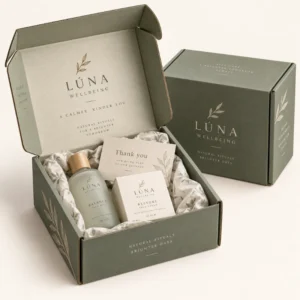
Bespoke Ecommerce Packaging
Get a Quote -
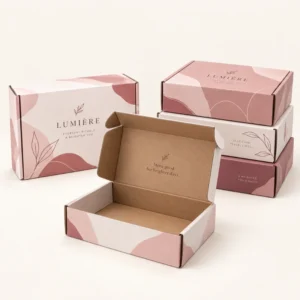
Custom Corrugated Mailer Boxes
Get a Quote -
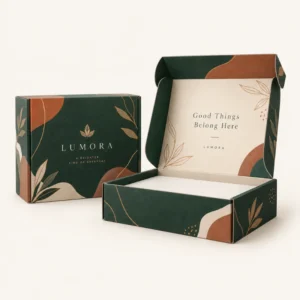
Personalized Mailer Boxes
Get a Quote -
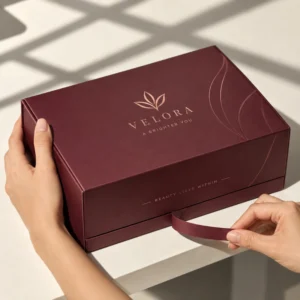
Tear Strip Mailer Boxes
Get a Quote
ecommerce packaging is the packaging used to send products bought online, from the outer box that travels through a courier network to the tissue, insert and message inside. It must protect the product, fit the order, carry the brand and survive handling, all while keeping packing simple and waste low. For any online shop, good ecommerce packaging is not an afterthought: it is the physical form of the business at the moment of delivery.
What ecommerce packaging includes
Ecommerce packaging includes several parts that work together. The outer box gives structure and protection. An inner wrap or tissue protects the surface of the product and improves the opening. An insert or divider holds items in place in multi item orders. A closure seals the box, and a label area carries delivery information. When any one part is wrong, the whole parcel suffers, so it is worth planning the pack as a system, not as a collection of separate items.
The range of formats is wide. Slim mailers suit flat, light orders. Deeper mailers suit bundles and bulkier goods. Taped mailing boxes suit volume dispatch and heavier orders. Rigid boxes suit premium and gift lines. The right format depends on the product, the order combination and the level of presentation the brand wants, not on a single format that is forced onto every order.
Choosing a format by product and order type
Start with what you sell and how it is ordered. Single item orders, bundles, subscriptions and gift orders each place different demands on a box. A subscription order that repeats each month benefits from a consistent box that customers recognise and can store or recycle easily. A gift order benefits from a neat interior and a message space. A fragile order benefits from a firmer box and an insert that holds the product away from the walls.
Single orders, bundles and subscriptions
Single orders suit a close fitting box that needs little filler and packs quickly. Bundles suit a box with an insert or divider that keeps items in a planned arrangement and stops them rubbing together. Subscriptions suit a consistent format that can carry a changing product range without changing the outer box each month, which keeps packing and storage simpler. Review recent orders to find the combinations that occur most often, and design around those.
Materials, board and protection
Corrugated board is the most common material for ecommerce packaging, because it is strong for its weight, light to post and widely recyclable. Kraft board gives a natural look and suits brands that want a simple, understated parcel. White board gives a bright surface for detailed artwork. Rigid board gives weight and structure for premium orders, but it needs more storage space and suits a smaller range.
Protection should match the product, not the box size alone. A small, heavy item needs stronger board than a large, light item. Fragile goods need an insert or cushioning that holds them centred, with even protection on all sides. Test a packed parcel by stacking it, checking corners and closures, and opening a sample to see whether anything has moved or marked during handling.
Sizing, filler and waste
A close fit is the simplest way to reduce waste. It needs less filler, takes less storage space and gives a neater opening. Measure the product as packed, including tissue and any insert, and add only a small allowance. Avoid a box that is much larger than the order, because the filler needed to fill it adds weight, cost and waste, and it can still allow the product to move.
Branding, sustainability and delivery in ecommerce packaging
Branding on ecommerce packaging should help the customer recognise the parcel and remember the shop, without turning every panel into an advertisement. A logo and brand colour on the outer box, plus a calm interior with a short message, usually works better than dense text on every surface. Leave the label area clear, so delivery information and handling marks stay legible.
Sustainability is now part of how customers judge a parcel. A single material box is easier to recycle than a mixed material pack, and a close fit reduces filler and packaging waste. Be honest in any wording on the box, and state the material plainly rather than making broad claims that cannot be supported. Online sellers who place packaging on the UK market should also check their duties under extended producer responsibility. The GOV.UK extended producer responsibility for packaging guidance explains who must comply and how packaging data is reported.
Delivery sizes and practical checks
Finished parcel dimensions affect delivery category, so confirm them before a full run. A parcel that sits just over a size threshold can change its delivery category and its handling, so it is worth checking dimensions and weight against the service you use. The Royal Mail size and weight guide gives current UK limits for letters and parcels, and it is a useful reference when you are settling box sizes for online dispatch.
Lead times after artwork approval
For standard boxes, allow 10 to 14 working days after final artwork approval. Corrugated boxes usually take 12 to 15 working days, and rigid or specialist boxes usually take 13 to 16 working days. These are production lead times, not a guaranteed delivery date. Allow extra time for proofing, artwork revisions and peak trading periods, and keep a small buffer stock of your most used size.
Ordering ecommerce packaging from Personalized Mailer Boxes
Share your products, typical order combinations and the impression you want the parcel to give, and request a quote built around that information. You can compare related options through ecommerce mailer boxes and ecommerce custom packaging, browse the range in the shop, and read delivery details on the delivery information page. When you are ready, send your sizes and artwork ideas through the get a quote page.
Frequently asked questions about ecommerce packaging
What is ecommerce packaging?
It is the packaging used to send products bought online, including the outer box, any tissue, insert or wrap inside, the closure and the label area, all planned to protect the order and present the brand on delivery.
What type of ecommerce packaging should a new online shop choose?
Start with a close fitting mailer or mailing box that suits your most common order, in corrugated board, with simple branding. Add further sizes and formats only when order data shows they are needed.
How do I reduce packaging waste for online orders?
Choose a close fitting box, use filler and inserts only where they stop movement or protect the product, and prefer a single material box that the customer can recycle easily.
Should ecommerce packaging be printed inside and outside?
Outside print carries the brand through delivery, while inside print is seen when the box is opened and suits a thank you message, care guidance or a returns note. Many brands use both, with a calm interior and a clear outer design.
How long does ecommerce packaging take after artwork approval?
Standard boxes usually take 10 to 14 working days after final artwork approval, corrugated boxes 12 to 15 working days, and rigid or specialist boxes 13 to 16 working days. Allow extra time for proofing and peak periods.