
sustainable packaging UK
Showing all 7 results
-

Bespoke Ecommerce Packaging
Get a Quote -
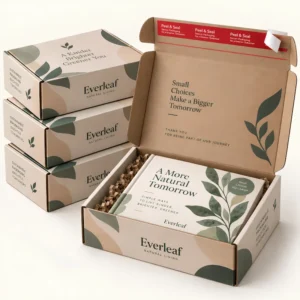
Custom Book Mailer Boxes
Get a Quote -
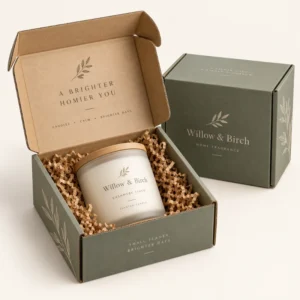
Custom Candle Mailer Boxes
Get a Quote -
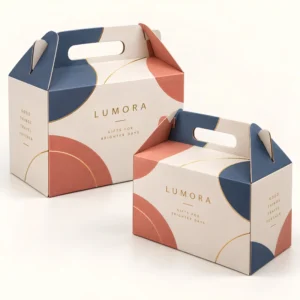
Custom Gable Boxes
Get a Quote -
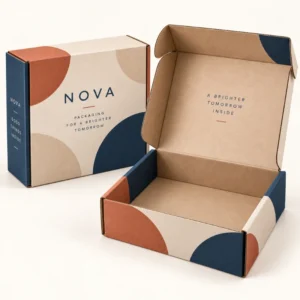
Custom Mailer Boxes UK
Get a Quote -
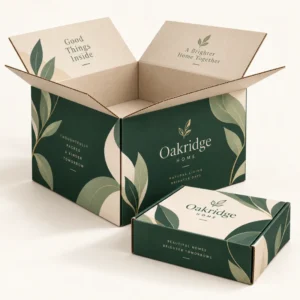
Custom Shipping Boxes
Get a Quote -
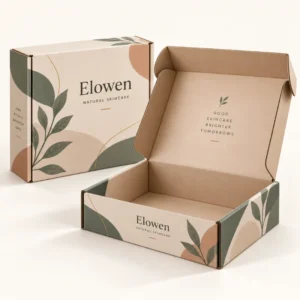
Printed Postal Boxes
Get a Quote
Sustainable packaging uk means packaging sold and used in the UK that is designed to reduce waste, to fit UK recycling systems, and to protect products without unnecessary material. It is not a single material or a single label, but a set of practical choices about board, size, tape, fill and print, made with UK household recycling and UK producer duties in mind. For a British seller, the test is simple: the customer should be able to recycle the parcel easily at home, and the parcel should use only what it needs.
Why sustainable packaging uk needs a UK focus
Recycling systems differ by country, so a parcel described as recyclable elsewhere may not be recyclable through a UK household collection. In the UK, fibre based packaging such as corrugated cardboard and paper is widely collected, while mixed materials and some coated boards need more careful checking. Choosing materials that fit UK collections, and avoiding constructions that need a special route, makes the customer journey straightforward and reduces the chance that packaging ends up in general waste by mistake.
UK duties also shape the choice. Businesses that supply or import packaging may have producer responsibilities, including registration, data reporting and recycling evidence, depending on their size and the amount of packaging handled. Those duties are a reason to keep packaging simple and well documented: a simple fibre based parcel is easier to record, easier to explain to customers, and easier to review when the range changes. The GOV.UK guidance linked below sets out who may be affected and what is required.
Materials that fit UK recycling
Corrugated cardboard, kraft board and paper are the core materials for sustainable packaging in the UK, because they are collected widely and can contain recycled fibre. Paper tape and paper void fill keep the parcel in the same recycling stream as the box. Coatings, windows and laminates should be checked, because a coating that looks minor can change how the board is sorted. When in doubt, a plain board with simple print is usually the safer and more recyclable choice.
Recycled content and sourcing
Recycled content means the board contains fibre that has been used before, while responsibly sourced fibre means new fibre from managed sources. Both can be part of a sustainable specification, and they are not the same claim. State the recycled content only if it is known for the grade used, and avoid describing a board as fully recycled when it contains a mix. Clear, specific claims build trust and help buyers compare like with like.
Right sizing for UK delivery
UK couriers and Royal Mail services use size and weight bands, so a box that is only slightly too large can move a parcel into a larger band. Right sizing therefore saves material and can also keep delivery predictable. Measure the packed product, including any inner box, and choose a box that closes comfortably without a large amount of empty space. For small, light items, a flat mailer or book wrap may be better than a deep box, because it reduces both material and parcel bulk.
Designing sustainable packaging uk for British brands
British brands often want packaging that feels local, natural and understated, and kraft board with simple print suits that brief well. White board suits brighter, more detailed artwork and gives a clean shelf presence for retail. In both cases, the design should include a clear recycling note, written in plain language, so the customer knows what to do with the box. A note that says recycle with paper and card is more useful than a symbol alone, especially for customers who are unsure about tape or labels.
Seasonal and gift packaging needs the same discipline. A gift box can be beautiful without extra layers: a printed mailer, a paper insert and a paper ribbon or tissue give a premium feel without plastic. If a window is wanted for retail, consider whether the product really needs to be seen, or whether a strong front design and a clear product name would do the same job with a simpler, more recyclable box.
Protecting products on UK journeys
UK parcels face sorting, van journeys and doorstep delivery, often in wet weather. A sustainable box still needs to resist crushing, moisture and handling. Corrugated board gives good crush resistance for its weight, and a snug fit stops products from moving. For items that are sensitive to moisture, a paper based barrier or a well sealed outer box may be needed, and that choice should be tested in real conditions rather than assumed. Protection that prevents damage is itself a sustainability measure, because a returned or replaced product wastes far more than a little extra paper.
Testing before a full order
Pack a real order, seal it as the team will seal it, and check the fit, the closure and the opening. Drop it gently from bench height, stack a heavier parcel on top, and open it as a customer would. Note any rubbing, denting or print damage, and adjust the board, insert or size before ordering in bulk. That test is especially important for fragile, heavy or liquid products, where a small change in insert shape can make a large difference.
Claims, labels and customer trust
Customers in the UK are increasingly sceptical of broad green claims, so specificity matters. Say what the box is made from, whether it contains recycled fibre, and how to recycle it. Avoid claiming compostability unless the item is genuinely compostable in a route available to the customer, and avoid describing a mixed material parcel as plastic free if plastic remains in tape, fill or a window. Honest, specific wording is more persuasive than a bold claim that does not survive scrutiny.
Ordering sustainable packaging uk
When ordering, share product dimensions and weights, fragility, quantity, print design and any postal requirements. Corrugated lead time after final artwork approval is 12 to 15 working days, so plan reorders and seasonal peaks around that window. Keep a packed sample as a reference, so future runs can be checked against the approved fit and finish.
For related options, see the sustainable ecommerce packaging collection, the ecommerce packaging collection, and the custom mailer boxes collection. For UK producer duties, see the GOV.UK packaging producer responsibilities guidance. You can request a quote, browse the shop and read the delivery information page.
Shipping sustainable packaging uk
Sustainable packaging uk should be judged by its shipping journey as well as by its materials, because a sustainable box that is oversized or overfilled wastes the benefit it claims. Size the box closely to the product, use a recyclable outer shipping carton where a second layer is needed, and avoid plastic fill that the customer cannot recycle easily. A right sized shipping pack protects the product, reduces void fill and keeps the retail presentation simple, while still giving the customer a clear recycling message on arrival.
Frequently asked questions
What makes packaging sustainable in the UK?
Packaging that uses less material, fits UK household recycling, protects the product, and carries clear, honest disposal guidance. Material alone is not enough; size, construction and claims all matter.
Is corrugated cardboard recyclable in the UK?
Yes, corrugated cardboard is widely collected through UK household recycling, provided it is not contaminated with mixed materials or coatings that prevent sorting. Keep tape and fill paper based where possible.
Do small UK sellers have packaging duties?
It depends on the amount of packaging handled and turnover, and on whether the business supplies or imports packaging. Check the GOV.UK guidance linked above to see whether producer responsibilities apply.
How do I choose between kraft and white board?
Kraft suits a natural, simple brand and simple print. White suits bright colour and detailed artwork. Both can be sustainable if responsibly sourced and kept fibre based.