
custom packaging suppliers
Showing all 7 results
-
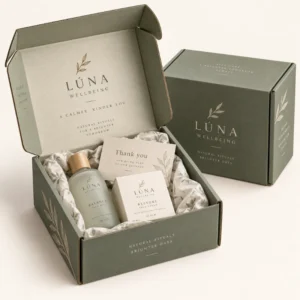
Bespoke Ecommerce Packaging
Get a Quote -
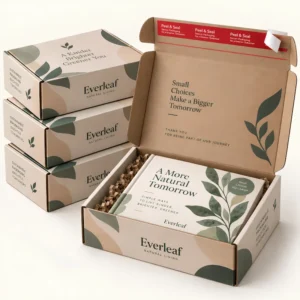
Custom Book Mailer Boxes
Get a Quote -

Custom Candle Mailer Boxes
Get a Quote -
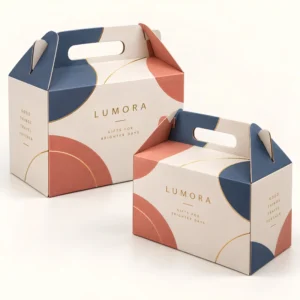
Custom Gable Boxes
Get a Quote -
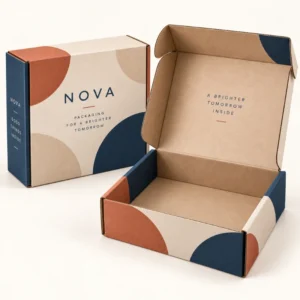
Custom Mailer Boxes UK
Get a Quote -
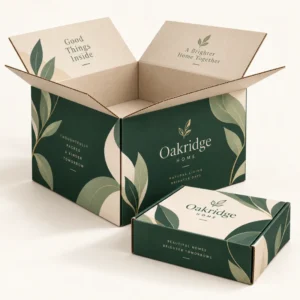
Custom Shipping Boxes
Get a Quote -
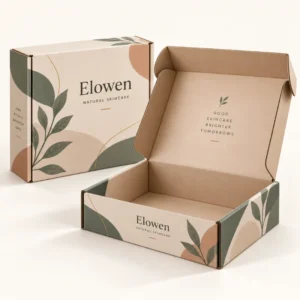
Printed Postal Boxes
Get a Quote
Choosing among custom packaging suppliers is less about finding the lowest quote and more about finding a partner whose materials, print quality, lead times, and service fit the way your business actually works. A good supplier asks about product dimensions, packed weight, order volume, and brand goals before quoting, and explains the trade offs between board types, finishes, and quantities in plain language. That clarity at the start usually leads to fewer revisions, fewer damaged parcels, and a pack that looks consistent order after order.
Why custom packaging suppliers differ so much
Suppliers differ in the box styles they specialise in, the print methods they use, and the quantities they handle well. Some focus on short digital runs for small brands, others on larger offset runs where colour consistency across thousands of boxes matters most. Some offer a full service from structural design and artwork checks to storage and repeat ordering, while others supply a narrower range at a simpler specification. None of these models is right for every business, and the best choice depends on order size, product fragility, brand position, and how often the design will change.
Location and communication also matter. A UK based supplier can usually offer faster artwork discussions, sample checks, and delivery planning, and time zone alignment helps when a launch date is tight. Clear communication about artwork format, proof approval, and production timing reduces the risk of a misunderstanding that only becomes visible when boxes arrive. A supplier who explains a limitation honestly, such as a colour that will not reproduce well on kraft, is often more valuable than one who promises everything without detail.
Questions to ask before you request a quote
Before requesting quotes, prepare a short brief that any supplier can answer on the same basis. Include product dimensions, packed weight, box style preference, print requirements, insert needs, and expected quantity, plus any seasonal variation. Ask each supplier about board options, print methods, finishes, proofing, lead times, and what happens if a proof needs a revision. Comparing answers on the same brief makes differences in service and specification visible, rather than comparing quotes for different products.
Checking print quality and colour consistency
Print quality should be checked with a sample or proof, not judged from a website image alone. Look at logo sharpness, colour depth, and how print sits near folds and cut lines. For brands with a signature colour, ask how that colour is matched and whether a spot colour or a digital proof is the right route for the quantity ordered. Keep a record of the approved colour reference and board, so repeat orders can be checked against the same standard.
Comparing materials, finishes, and service
Material knowledge is a useful test of a supplier. A knowledgeable supplier can explain when corrugated board is needed for transit protection, when a lighter board suits retail presentation, and when a rigid board suits a premium gift box. They should also explain how coatings and finishes affect recyclability, because a beautiful finish that makes recycling harder may not suit a brand that promotes sustainable packaging. Ask for material samples where possible, and test them with the real product inside.
Service differences often show in the details. Does the supplier check artwork and flag a low resolution logo before production, or print it as supplied? Is there a clear point of contact, a written specification, and a proof approval step? Are lead times stated from final artwork approval, and are they realistic for the product type? Standard lead times after final artwork approval are 10 to 14 working days, corrugated boxes take 12 to 15 working days, and rigid or specialist boxes take 13 to 16 working days. A supplier who states timing clearly helps a business plan launches and restocks with confidence.
Minimum quantities, repeat orders, and growth
Minimum quantities vary by print method and box style, so a quantity that suits one supplier may not suit another. Small brands may benefit from a supplier who handles short runs well, while larger brands may benefit from a supplier who can hold a specification for repeat production at volume. Ask how repeat orders are handled, whether artwork and dimensions are kept on file, and whether a small design change triggers a new tooling or proofing step. A smooth repeat process saves time and keeps packaging consistent as the business grows.
What a reliable repeat process looks like
A reliable repeat process starts with a written specification that covers box dimensions, board grade, print method, colours, finishes, and insert details. Each repeat order is checked against that specification before production, and any change is approved as a new proof rather than assumed. Delivery planning should also be part of the process, with stock levels and lead times reviewed before a reorder is placed, so a business does not run out during a busy period.
Responsibility, sustainability, and making a decision
Packaging decisions now carry responsibility as well as brand considerations. Businesses that place packaging on the UK market may have obligations under extended producer responsibility for packaging, depending on their size and the packaging they supply. The GOV.UK guidance on this topic explains who may be affected and what steps may be required, and it is worth reading before committing to a large packaging range. A supplier can advise on materials and recyclability, but legal obligations remain with the business placing the packaging on the market, so official guidance should be checked directly.
When making a final decision, weigh the whole service, not just a single line in a quote. Consider sample quality, communication speed, proofing care, lead time clarity, and how the supplier handles a problem. A short trial order can reveal a great deal about packing, print, and delivery, and it gives the business a real pack to test with customers before a larger commitment. The right supplier should feel like a partner who understands the product and the brand, not just a source of boxes.
A simple supplier comparison checklist
Use a short checklist to compare suppliers fairly. Note board and print options, sample quality, proofing process, lead times from artwork approval, repeat order handling, and communication quality. Add notes on sustainability, such as recyclable materials and clear disposal guidance, and on practical points such as flat delivery, storage requirements, and packing ease. A supplier who scores well across most of these points, even if not the cheapest on one line, often delivers better value over a year of orders.
Red flags worth noticing early
Red flags include vague lead times, no proof stage, artwork accepted without any checks, and a reluctance to provide material samples. Another warning sign is a quote that does not state board grade, print method, or box dimensions, because those details decide how the pack will perform. Clear, specific answers are a good sign, and they make it easier to hold the supplier to the agreed specification if anything goes wrong.
Explore custom mailer boxes, browse shop all packaging, request a specification through get a quote, and read about us for background on the business. For official packaging responsibility guidance, see GOV.UK guidance on extended producer responsibility for packaging.
Frequently asked questions
What should I look for in custom packaging suppliers?
Look for clear material and print advice, a proof stage, realistic lead times from artwork approval, and a written specification for repeat orders. Sample quality and communication speed are often better indicators of long term value than a single quote figure.
How do I compare quotes from different suppliers fairly?
Send every supplier the same brief, covering product dimensions, packed weight, box style, print, inserts, and quantity. Ask each one to state board grade, print method, finishes, and lead times, so you compare the same product and service, not different specifications.
Do I need a sample before a large order?
A sample or proof is strongly advised, especially for a first order or a new structure. It lets you check fit, closure, print quality, and ease of opening with the real product, and any change at sample stage is far easier than after full production.
What lead times should I expect?
Standard lead times after final artwork approval are 10 to 14 working days, corrugated boxes take 12 to 15 working days, and rigid or specialist boxes take 13 to 16 working days. These are production lead times, not a guaranteed delivery date.
Do packaging suppliers handle recycling obligations for me?
A supplier can advise on recyclable materials, but obligations for packaging placed on the UK market remain with the business concerned. Check GOV.UK guidance on extended producer responsibility for packaging to understand whether your business is affected.