
bespoke ecommerce packaging
Showing the single result
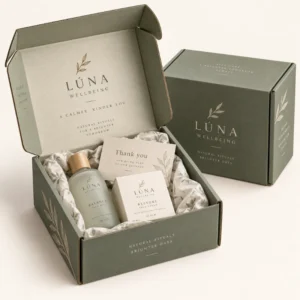
bespoke ecommerce packaging is packaging designed around the exact products you sell online, instead of forcing those products into a standard box. It fits the order snugly, carries your branding through delivery, and protects goods from warehouse shelf to customer doorstep. For online shops, that fit and finish can reduce damage, cut filler waste and make every delivery feel like part of the brand.
Why bespoke ecommerce packaging matters for online shops
Online customers cannot touch a product before buying, so the parcel becomes the shop window. A plain, oversized box with loose filler sends a very different message from a tidy, branded box that opens cleanly and reveals the order in good condition. The second experience builds trust, encourages repeat orders and makes a customer more likely to recommend the shop.
Fit also has practical benefits. A box that matches the product needs less void fill, takes less storage space and is often easier to pack quickly. That matters during busy periods, when packing speed and consistency affect dispatch times. A well planned box can also reduce the chance of items shifting, scratching or breaking, which in turn reduces returns and replacement parcels.
Matching the box to how you sell
Start by listing what you actually ship. Single item orders, bundles, fragile goods, clothing, books and subscription style orders all place different demands on a box. Clothing can fold into a slim mailer, while a set of bottles or ceramics needs dividers and stronger board. If your orders vary widely, consider two or three box sizes that cover most combinations, rather than one box that fits nothing well.
Single orders, bundles and returns
Single orders suit a close fitting mailer with a simple closure that is easy to open and, where appropriate, easy to reseal. Bundles suit a slightly larger box with an insert or divider that keeps items in place and presents them in a planned order. If returns are common in your sector, a design with a second seal or a clear returns instruction inside the lid can make the process smoother for the customer and for your team.
Materials and strength for delivery
Corrugated board is the usual choice for ecommerce dispatch because it combines strength, light weight and good print quality. Kraft board gives a natural look and suits brands that want a simple, recyclable feel. White card gives a bright surface for detailed artwork, while rigid board suits premium orders and gift style deliveries where presentation is central.
Strength should match weight and fragility, not just box size. A small but heavy order needs stronger board than a large but light order. Test a packed box by stacking, dropping from a low height in a controlled way and checking corners and closures. A box that passes a studio check but fails in a courier network will cost far more in replacements than a slightly stronger specification.
Closures, tape and opening experience
Self sealing strips speed up packing and give a clean finish, while a tuck style closure can suit lighter orders and letterbox formats. Consider how the customer opens the box: a tear strip gives a satisfying, tool free opening, but it must be placed where it does not damage printed artwork. Print a short thank you message or a simple instruction on the inside lid, where it is seen at the moment of opening.
Branding bespoke ecommerce packaging without clutter
Branding should help the customer recognise the parcel and remember the shop, without turning every panel into an advertisement. A strong logo and brand colour on the outer box, plus a calmer interior with a short message, usually works better than dense text on every surface. Leave space for a delivery label and handling marks, so essential information is not hidden under print.
Colour accuracy matters across reorders. Specify brand colours clearly and check a proof under normal light, not only on screen. If you use photography, check that images stay sharp at the printed size and that skin tones, product colours and text remain true. Consistency across runs helps customers recognise your parcels instantly, even from a distance.
Sustainability and practical choices
Many online buyers notice packaging waste, so choose materials and sizes that avoid excess. A close fit reduces filler, and a single material box is easier for the customer to recycle than a mixed material pack. Avoid unnecessary plastic windows, laminated layers and extra inserts unless they genuinely protect the product or improve the opening experience.
Be honest in any sustainability wording on the box. State the material simply, for example that the box is made from corrugated board that can be recycled, rather than making broad claims that are hard to support. Clear, modest wording builds more trust than bold claims that a customer cannot verify.
Lead times after artwork approval
For standard boxes, allow 10 to 14 working days after final artwork approval. Corrugated boxes usually take 12 to 15 working days, and rigid or specialist boxes usually take 13 to 16 working days. These are production lead times, not a guaranteed delivery date. Allow extra time for proofing, artwork revisions and peak trading periods, and keep a small buffer stock of your most used size.
Ordering bespoke ecommerce packaging from Personalized Mailer Boxes
Share your best selling products, typical order combinations and the impression you want the parcel to give, and request a quote built around that information. You can compare related options through bespoke packaging boxes and bespoke shipping boxes, browse the range in the shop, and read delivery details on the delivery information page. When you are ready, send your sizes and artwork ideas through the get a quote page.
Frequently asked questions about bespoke ecommerce packaging
What is bespoke ecommerce packaging?
It is packaging made to your product dimensions, branding and delivery needs, rather than a standard stock box. The result fits the order better, protects it in transit and presents your brand at delivery.
How many box sizes should an online shop use?
Most shops do well with two or three sizes that cover single items, common bundles and larger orders. Review your last few months of orders to find the combinations that occur most often, then design around those.
Is corrugated board best for ecommerce orders?
Corrugated board is a strong, light and widely recyclable choice for most online orders. Kraft board, white card and rigid board may suit particular brands, products or premium deliveries.
Can ecommerce packaging be printed inside and outside?
Yes. Many brands print branding on the outside and a short message, care guidance or a returns note on the inside, where it is seen when the box is opened.
How long does bespoke ecommerce packaging take after artwork approval?
Standard boxes usually take 10 to 14 working days after final artwork approval, corrugated boxes 12 to 15 working days, and rigid or specialist boxes 13 to 16 working days. Allow extra time for proofing and peak periods.