
ecommerce fashion packaging
Showing the single result
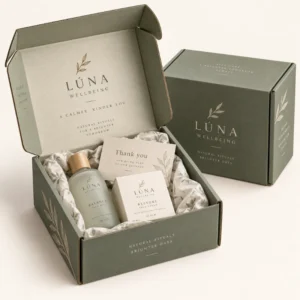
ecommerce fashion packaging is packaging that presents fashion products online orders as premium goods, from the outer box to the tissue, insert and closing detail. It protects garments, footwear and accessories in transit while giving the customer an opening experience that matches the price and positioning of the brand. For fashion sellers, the parcel often carries more brand meaning than any other single touchpoint after purchase.
Why ecommerce fashion packaging shapes brand perception
Fashion buyers judge quality by feel, finish and detail. A flimsy box, a creased garment or a careless insert can undermine a product that is excellent in itself, while a firm box, clean tissue and a well placed card can lift an ordinary delivery into a memorable one. That impression also travels: customers photograph and share fashion deliveries, so the parcel becomes a public part of the brand, not only a private delivery.
Premium does not have to mean heavy or wasteful. A slim, well made mailer with a considered interior can feel more luxurious than an oversized rigid box filled with loose filler. The key is proportion: the box should fit the product, the materials should feel appropriate to the brand, and every element should have a reason to be there. Remove anything that does not protect the product or improve the opening.
Formats for garments, footwear and accessories
Garments suit mailers and shallow boxes that keep fabric flat and reduce creasing. Footwear needs a firmer box that holds shape, protects the toe and heel, and keeps the pair together without scuffing. Accessories such as scarves, belts and eyewear suit smaller, structured boxes with an insert that holds the item in place and prevents it moving during handling. Using one house style across these formats helps the brand stay recognisable even when the box size changes.
Rigid boxes for premium and gift fashion lines
Rigid boxes suit premium collections, limited editions and gift lines, where weight, structure and a clean lid give a sense of occasion. A lift off lid or a magnetic close holds shape on a shelf and photographs cleanly, which helps product pages and social sharing. Rigid boxes take more storage space than flat packed mailers, so reserve them for lines where presentation is central to the sale, and use mailers for everyday fashion orders.
Inside the box: tissue, cards and inserts
The interior is where fashion packaging earns its premium feel. Tissue wrapped around a garment, a ribbon style seal or a branded sticker, and a card with care guidance or styling notes all add detail without adding bulk. Keep the sequence planned: the customer should see a neat surface first, then the product, then any card or note. Avoid loose inserts that slide to the bottom of the box, because they look careless when the box is opened.
Care guidance deserves a place inside fashion parcels, especially for delicate fabrics, embellished pieces and footwear materials. A short, plain note on washing, storage or protection from sunlight is more useful than a dense leaflet. If the product needs to be kept away from moisture or direct heat, say so simply, so the customer can look after it after delivery.
Seasonal collections and limited editions
Seasonal collections give fashion brands a chance to vary packaging without changing the core box. A different tissue colour, a seasonal card or a limited edition print on the inside lid can mark a collection while keeping the outer box consistent for delivery. Plan these variations early, because artwork, proofing and production all need time before a launch date. Keep the label area clear in every variation, so delivery information stays legible.
Materials and finishes for ecommerce fashion packaging
Material choice should match the fashion level. Corrugated board suits everyday fashion dispatch and gives a good print surface at a light weight. Solid board and rigid board suit premium lines and give a firmer feel. White board gives a bright surface for photography style artwork and pale brand colours, while natural kraft board suits casual, sustainable and streetwear brands. Black board can look striking for luxury lines, but it needs careful storage to avoid visible dust and scuffs.
Finishing should be used with restraint. A foil detail, an embossed logo or a matte lamination can lift a premium box, but too many finishes at once can look busy and can make recycling harder. Choose one focal finish, test it on the chosen board, and check that it survives handling without flaking or marking the product inside.
Sizing fashion parcels for delivery
Fashion parcels vary widely, from a flat scarf mailer to a deep footwear box. Measure the product as packed, including tissue and any insert, and choose a box that holds it without compression. A parcel that is just over a delivery size threshold can change its delivery category, so confirm dimensions and weight before a full run. The Royal Mail size and weight guide gives current UK size and weight limits, and it is a useful check when you are settling fashion box dimensions.
Lead times after artwork approval
For standard boxes, allow 10 to 14 working days after final artwork approval. Corrugated boxes usually take 12 to 15 working days, and rigid or specialist boxes usually take 13 to 16 working days. These are production lead times, not a guaranteed delivery date. Allow extra time for proofing, artwork revisions and peak periods such as seasonal launches and sales.
Ordering ecommerce fashion packaging from Personalized Mailer Boxes
Share your fashion range, typical order combinations and the level of presentation you want, and request a quote built around that information. You can compare related options through ecommerce clothing packaging and ecommerce gift packaging, browse the range in the shop, and read delivery details on the delivery information page. When you are ready, send your sizes and artwork ideas through the get a quote page.
Frequently asked questions about ecommerce fashion packaging
What is ecommerce fashion packaging?
It is packaging for fashion products sold online, designed to protect garments, footwear and accessories in transit and to present them with a premium opening experience that matches the brand.
When should a fashion brand use a rigid box?
A rigid box suits premium collections, limited editions and gift lines, where weight and structure add to the occasion. Everyday fashion orders usually suit a well made mailer, which stores flat and packs quickly.
How can fashion packaging stay premium without excess waste?
Choose a close fitting box, use tissue and inserts only where they protect the product or improve the opening, and avoid unnecessary plastic layers and loose filler that add bulk without benefit.
What should go inside a fashion parcel?
A neatly wrapped product, a short care note where it helps, and a card with returns or brand information, arranged so the customer sees a tidy surface first and the product second.
How long does ecommerce fashion packaging take after artwork approval?
Standard boxes usually take 10 to 14 working days after final artwork approval, corrugated boxes 12 to 15 working days, and rigid or specialist boxes 13 to 16 working days. Allow extra time for proofing and seasonal launches.