
ecommerce clothing packaging
Showing the single result
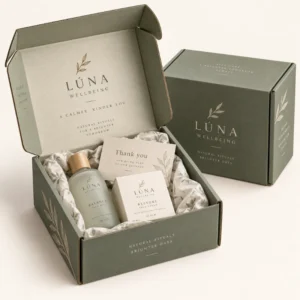
ecommerce clothing packaging is packaging designed to send garments by post in good condition, with the garment folded neatly, protected from dust and moisture, and presented well when the box is opened. It usually combines a close fitting mailer box with tissue or a protective wrap, so a shirt, dress or knit arrives looking as carefully packed as it did in a shop. For online clothing sellers, that presentation matters because the parcel is often the first physical contact a customer has with the brand.
Why ecommerce clothing packaging needs a garment first approach
Clothing is light but bulky, easy to crease and easy to mark. A box that is too large lets a garment slide and unfold during handling, while a box that is too tight can press creases into fabric and strain seams. The right approach starts with the folded garment, not with a standard box size. Measure the folded item, add a small allowance for tissue and any insert, and choose a box depth that holds the garment flat without squeezing it.
Different fabrics behave in different ways. Jersey and knitwear forgive gentle folding and recover well, while linen, structured cotton and tailored pieces show creases more readily. Delicate fabrics benefit from a smooth inner surface and a layer of tissue between folds, which reduces friction and helps the garment keep its shape. Heavier items such as denim and knitwear need a sturdier board, because weight concentrates at the bottom of the parcel and can distort a light box.
Folding, tissue and protection inside the box
A consistent folding method makes packing faster and results more predictable. Fold each garment to a similar footprint, place tissue between layers where it helps, and finish with a top sheet of tissue so the first thing the customer sees is neat and clean. A printed card or care note can sit on top of the tissue, where it is visible at once, rather than being buried beneath the garment.
Tissue, wraps and inserts for clothing orders
Tissue gives a soft layer that protects the surface of the fabric and adds a sense of care to the opening. A garment bag or wrap can help for items that need extra protection from dust or light scuffing, especially for pale fabrics. Inserts and dividers earn their place in multi item orders, where they stop garments rubbing against each other and keep the order in a planned arrangement. Keep extras purposeful, because unnecessary layers add bulk and can make a parcel harder to close cleanly.
Choosing a box for single garments and bundles
A slim mailer suits a single folded tee, shirt or pair of trousers. It keeps the parcel flat, easy to handle and simple to store. A deeper mailer suits a hoodie, a knit or a two piece order, where extra depth prevents compression. For larger bundles, a box with a little more width works better than forcing several garments into a shallow format, which can create a bulging lid and a strained closure.
Check the finished parcel against the delivery service you use. A parcel that sits just over a size threshold can change the delivery category, so it is worth confirming dimensions and weight before a full run. The Royal Mail size and weight guide gives current UK size and weight limits for letters and parcels, and it is a useful check when you are settling box dimensions.
Returns and repeat handling for clothing
Clothing has a higher return rate than many other online goods, so packaging should survive a return journey where possible. A closure that can be resealed cleanly, a clear returns note inside the lid, and a box that still looks presentable after one opening all make returns easier for the customer and cheaper for the seller. Avoid closures that tear the board on first opening if you expect the box to be reused for a return.
Branding ecommerce clothing packaging without damaging garments
Print on the outside of the box carries the brand through delivery, while the inside can stay calm and clean. A logo and brand colour on the outer panels, plus a short message on the inside lid, usually reads better than dense print on every surface. Keep print clear of the label area, so delivery information stays legible and handling marks are easy to add.
Colour choice also affects how the parcel looks after handling. Natural kraft board hides light scuffs well and suits casual and sustainable fashion brands. White board gives a bright, crisp surface for detailed artwork and suits premium and occasion wear. Dark board can look striking, but it shows dust and fingerprints more readily, so it suits brands that can control storage and handling carefully.
Materials that suit online fashion dispatch
Corrugated board is the usual choice for clothing parcels because it is light, strong for its weight and widely recyclable. E flute board gives a smooth print surface and a neat profile for slim mailers, while a stronger flute suits heavier bundles and repeated handling. Card that is too thin may bow under a stack of parcels, while board that is too heavy adds postage weight without improving protection for a light garment.
Think about storage as well as transit. Flat packed mailers store neatly and assemble quickly, which helps during busy trading periods and seasonal launches. Keep a small buffer stock of your most used size, so a sudden rise in orders does not leave you repacking into the wrong box.
Lead times after artwork approval
For standard boxes, allow 10 to 14 working days after final artwork approval. Corrugated boxes usually take 12 to 15 working days, and rigid or specialist boxes usually take 13 to 16 working days. These are production lead times, not a guaranteed delivery date. Allow extra time for proofing, artwork revisions and peak periods, and confirm the timetable before a launch or sale.
Ordering ecommerce clothing packaging from Personalized Mailer Boxes
Share your typical garments, folded sizes and order combinations, and request a quote built around that information. You can compare related options through ecommerce mailer boxes and ecommerce fashion packaging, browse the range in the shop, and read delivery details on the delivery information page. When you are ready, send your sizes and artwork ideas through the get a quote page.
Frequently asked questions about ecommerce clothing packaging
What is ecommerce clothing packaging?
It is packaging made for sending garments by post, usually a close fitting mailer box with tissue or a protective wrap, designed to keep clothing folded, clean and presentable on arrival.
Should clothing be packed in a box or a bag?
A box suits garments where presentation, crease control and protection matter, while a bag suits very light, flexible items. Many clothing brands choose a box for the opening experience and for easier returns.
How do I stop garments creasing in transit?
Fold consistently, use tissue between folds for delicate fabrics, choose a box depth that holds the garment flat without squeezing, and avoid overfilling a shallow mailer.
What size box suits a single folded shirt?
It depends on the shirt size and fold, so measure the folded garment and add a small allowance for tissue. A slim mailer that holds the shirt flat, without spare space for sliding, usually gives the neatest result.
How long does ecommerce clothing packaging take after artwork approval?
Standard boxes usually take 10 to 14 working days after final artwork approval, corrugated boxes 12 to 15 working days, and rigid or specialist boxes 13 to 16 working days. Allow extra time for proofing and peak periods.