
branded ecommerce packaging
Showing all 2 results
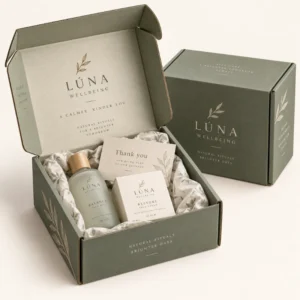
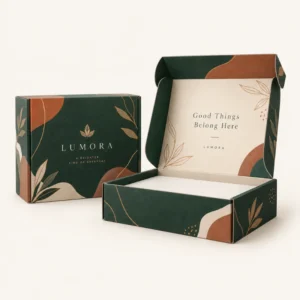
Branded ecommerce packaging turns a routine delivery into a clear brand moment, while still doing the practical job of protecting the order. For online brands using branded ecommerce packaging, the parcel is often the first physical contact a customer has with the business, so the box, the print and the packing inside all shape trust. Good ecommerce packaging balances presentation, protection, packing speed and sustainability, so it works for a single order today and for hundreds of orders in a busy week.
What branded ecommerce packaging needs to achieve
Online orders travel through warehouses, sorting centres and courier vans before they reach a doorstep. A box that looks excellent in a studio photograph but crushes easily, opens awkwardly or leaves items loose will create returns, replacements and disappointed customers. The best ecommerce packaging starts with the product: its weight, fragility, shape and sensitivity to moisture or pressure. From there, board strength, internal fit and closure can be chosen with purpose, rather than copied from a generic template that does not suit the product range.
Presentation should support the product, not compete with it. A clear logo, a consistent colour palette and a simple opening sequence help customers recognise the brand and feel confident about what they bought. Inside print can carry a thank you message, care instructions or a prompt to return, reorder or leave a review, without adding loose leaflets that get lost. Brands can explore the full range through the online shop, and can compare mailer styles with the branded mailer boxes tag page when deciding which format suits a product range.
Packing for fulfilment speed
Fulfilment teams pack best when the box is easy to assemble, easy to fill and easy to seal. Flat packed boxes that pop into shape quickly, with clear fold lines and a reliable tuck or tape closure, reduce packing time and training time. A box that needs fiddly assembly will slow a busy shift and increase the chance of a poorly sealed parcel. Standardising on a small set of sizes for the most common order types also helps, because pickers can learn the right box for each basket without measuring every order.
Reducing empty space without risking damage
Empty space is a common cause of damage, because items shift, collide and press against the box walls. A well fitted box, with a simple insert or a measured amount of paper fill, keeps items still without forcing the lid closed. Measuring the most common product combinations, rather than the single largest product alone, gives a more realistic size. For mixed baskets, a divider or a card tray can separate items that should not rub together, such as a bottle and a soft textile, or a printed item and a sharp edged accessory.
Formats used in ecommerce
Mailer boxes are a popular ecommerce format because they combine a retail style presentation with postal strength. A mailer with a tuck front closure opens cleanly and can be printed inside and outside, which suits subscription boxes, gift sets and single product orders that deserve a considered reveal. Shipping cartons suit heavier, bulkier or multi item orders where a plain outer box and strong tape closure are more practical. Postal boxes with a slim profile suit flat items that need to fit through a letterbox, while rigid boxes suit premium products that need a firm, luxurious feel. Choosing the format by order type, rather than using one box for everything, usually improves both protection and presentation.
Matching format to order type
Single item orders often suit a snug mailer that presents the product immediately on opening. Multi item orders benefit from a deeper mailer or a carton with dividers, so each item remains visible and protected. Subscription orders benefit from consistency: the same box, the same interior layout and the same print each month build recognition and make packing predictable. Gift orders benefit from a clean interior and a space for a message card, so the recipient sees the gift first rather than packing material. Thinking in order types, rather than in box types alone, makes the packaging system easier to manage as the brand grows.
Designing branded ecommerce packaging for recognition
Recognition comes from consistency. The same logo placement, the same colours and the same tone of message across mailers, cartons and inserts help customers identify the brand instantly, even before they read the label. That consistency should extend to returns packaging as well, because a returns label or a resealable closure that matches the brand makes the whole experience feel considered. Avoid overloading the outside with claims, badges and small text, because those details are rarely read at the doorstep and can make the brand look uncertain. A confident, simple design usually travels better.
Colour and board finish change how print is perceived. Kraft board gives a natural, honest feel and suits brands that emphasise sustainability or handmade products. White board gives brighter, cleaner colour and suits beauty, food, stationery and lifestyle brands that rely on vivid photography. Matte finishes reduce glare in photographs, while a gloss finish can make a bold graphic stand out. Testing artwork on the actual board, rather than only on screen, will reveal whether colours stay true and whether small text remains legible. That test is worth doing before a large run, because board colour can shift the appearance of light tones and pastel shades.
Sustainability that customers can understand
Customers increasingly judge packaging by what happens after delivery. Recyclable board, minimal plastic, and clear disposal guidance help customers recycle with confidence. Avoid mixed materials that are hard to separate, and avoid excessive fill that suggests waste rather than care. A short, plain message inside the lid, explaining that the box is recyclable and how to dispose of any insert, is more useful than a vague claim about being green. Brands should only make sustainability claims they can support, and should keep the wording simple and honest.
Keeping packaging light and efficient
Lighter packaging that still protects the product can reduce courier handling strain and storage space, but lightness should never come at the expense of protection. The goal is the lightest board and the smallest box that still keep the product safe through normal handling. Flat packed supply helps here, because boxes stored flat take less warehouse space and can be assembled as needed. A packing team that knows the correct box for each order will also use less fill, because they are not compensating for an oversized box with extra material.
Returns, repeats and customer experience
A good ecommerce box should make returns simple. A resealable closure, a clear space for a returns label, and an interior that survives one reopening will reduce damage to returned products and make the process less frustrating for customers. Repeat customers also notice consistency: when the second order arrives in the same quality of box, with the same care in packing, trust grows. Small touches, such as a thank you note, a care guide or a prompt to discover a related product, can encourage a second order without feeling like advertising. The box itself becomes part of the service, not just a container.
Ordering branded ecommerce packaging with confidence
Before ordering, gather the essentials: product dimensions, typical basket combinations, fragility, expected order volume, and any seasonal peaks. That information allows board, size and format to be recommended with confidence, rather than guessed. Artwork should be supplied in the correct print areas, with logos checked at actual size and colours checked on the chosen board. A proof stage gives a chance to correct spelling, alignment and colour before production, which is far easier than correcting a finished run.
Lead times should be planned around artwork approval. Standard boxes take 10 to 14 working days after final artwork approval, corrugated boxes take 12 to 15 working days, and rigid or specialist boxes take 13 to 16 working days. Those timings are not guaranteed delivery dates, so seasonal campaigns, product launches and subscription renewals should allow extra time for packing and courier collection. Brands that want tailored advice can request a quote, check delivery information, or learn more on the about Personalized Mailer Boxes page. The Personalized Mailer Boxes home page provides a useful starting point for exploring the wider range.
Practical checks before a large order
Test a sample with real products, real fill and a real courier journey where possible. Check the lid closure after handling, check corners for crushing, and check whether the label stays flat and scannable. Ask the packing team whether the box assembles quickly and whether the chosen size works for the most common baskets. Those practical checks, done early, prevent a large order of boxes that look right but pack badly. Once the format is proven, reordering becomes straightforward, because sizes, artwork and packing method are already settled.
Frequently asked questions
What is branded ecommerce packaging?
Branded ecommerce packaging is packaging printed with a brand logo, colours and message, designed to protect online orders and present the brand clearly on delivery. It includes mailer boxes, shipping cartons, postal boxes and inserts, chosen to suit the products being sent.
How do I choose between a mailer box and a shipping carton?
Choose a mailer box when presentation and a clean opening matter, such as for subscription boxes, gift sets and single product orders. Choose a shipping carton when the order is heavier, bulkier or contains many items that need a strong outer box and tape closure.
Can ecommerce packaging be recyclable and still protective?
Yes, when board strength and internal fit are matched to the product. Recyclable corrugated board with a well fitted insert or measured paper fill can protect most ecommerce products, while clear disposal guidance helps customers recycle the box after delivery.
How long does branded ecommerce packaging take after artwork approval?
Standard boxes take 10 to 14 working days after final artwork approval, corrugated boxes take 12 to 15 working days, and rigid or specialist boxes take 13 to 16 working days. Allow additional time for packing and courier collection.