
packaging wholesalers
Showing all 7 results
-

Bespoke Ecommerce Packaging
Get a Quote -
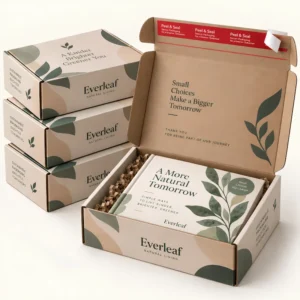
Custom Book Mailer Boxes
Get a Quote -

Custom Candle Mailer Boxes
Get a Quote -
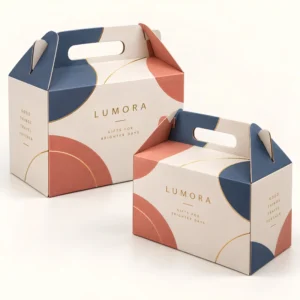
Custom Gable Boxes
Get a Quote -
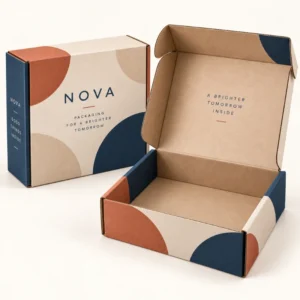
Custom Mailer Boxes UK
Get a Quote -
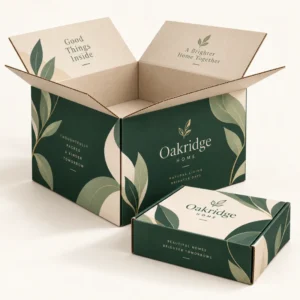
Custom Shipping Boxes
Get a Quote -
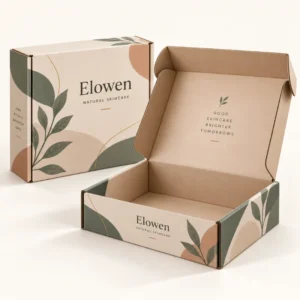
Printed Postal Boxes
Get a Quote
Packaging wholesalers supply boxes and related packing materials in bulk to businesses that pack, post and sell products every day. A good wholesaler combines reliable stock, clear sizing, consistent board quality and a straightforward route to custom printing when plain stock is no longer enough. This guide explains what to look for, how bulk supply usually works and when a custom printed order makes more sense than a stock line.
What packaging wholesalers do for businesses
Wholesale supply is built around volume, repeat ordering and practical stock control. Instead of buying a handful of boxes at a time, a business can hold the sizes it uses most, reorder before stock runs low and keep packing benches consistent from one week to the next. That consistency matters, because a change in box size or board strength can affect how a product fits, how much void fill is needed and how a parcel survives handling.
Many buyers start with plain stock and move to printed boxes as order volumes grow. Printed boxes carry a logo, a simple message or full artwork on the outside, and sometimes on the inside as well. For a growing brand, that step turns a plain parcel into a recognisable delivery, without changing the packing routine in any major way.
Stock ranges buyers commonly need
A useful wholesale range covers the everyday workhorses first. Mailer boxes suit online orders and subscription parcels. Postal boxes suit flat and light items. Gable boxes suit favours, treats and small gifts. Stronger corrugated boxes suit heavier or more valuable goods. Tape, tissue, inserts and protective fill often sit alongside the boxes, so a single supplier can cover a full packing bench.
How to judge a stock range
Look at depth as well as breadth. A range that lists many sizes in one style is often more useful than a range that lists many styles with only one size each. Check internal dimensions, not just external dimensions, because board thickness and folds reduce the usable space. Ask for a sample box where possible, pack it with a real product and check the fit, the closure and the way it feels when lifted and stacked.
Bulk ordering and storage
Bulk boxes usually arrive flat, which keeps storage compact until they are needed. Flat supply also makes it easier to count stock, to rotate sizes and to keep different board grades separate. Businesses with limited space should plan a simple system: one shelf or pallet position per size, clear labels and a reorder point for each fast moving line. That small amount of organisation prevents the common problem of discovering a shortage during a busy despatch period.
Planning quantities with confidence
Start from recent order history rather than guesswork. Count parcels sent in a typical week, allow for seasonal peaks and add a buffer for damaged or mis packed boxes. It is better to hold a modest surplus of the two or three most used sizes than to hold a large quantity of a size that is rarely used. Review the figures each month at first, then each quarter once patterns settle.
Choosing packaging wholesalers in the UK
Location, lead time and communication matter as much as the catalogue. A UK supplier can usually advise on sizes that suit common UK parcel formats and on board grades that suit the journey from warehouse to doorstep. Clear lead times help with planning, especially for printed work where artwork approval comes before production. For this site, standard lead times after final artwork approval are 10 to 14 working days, corrugated lead times are 12 to 15 working days and rigid or specialist lead times are 13 to 16 working days. These are planning guides, not guaranteed delivery dates, and they begin only once artwork is finally approved.
Ask how the supplier handles artwork, proofs and repeat orders. A supplier that keeps artwork on file makes reordering far simpler, because the same print can be repeated without resubmitting files. Ask also about minimum quantities for printed work, about colour behaviour on kraft board and about whether inside print is available. The answers will shape both the look of the box and the budget for the run.
Questions to ask before placing a bulk order
Useful questions cover board grade, print area, closure type and pack quantity. Board grade affects strength and weight. Print area affects how large a logo can appear and where it will sit. Closure type affects packing speed, especially for teams packing many parcels each day. Pack quantity affects storage and cash flow, so it is worth confirming how boxes are packed and whether part packs are practical.
Checking quality on arrival
Check a sample from each delivery before the boxes go into general stock. Look for clean cuts, straight scores, consistent print colour and flaps that close without forcing. Pack one box, seal it and shake it gently to check for movement. If a product moves too much, add an insert or choose a closer fitting size rather than filling the gap with extra void fill. A quick check at this stage saves far more time than repacking parcels later.
Sustainability and responsible supply
Cardboard and kraft board are widely recyclable in the UK, and many buyers now ask about recycled content, recyclability after use and the amount of packaging used per parcel. The right size box is itself a sustainability choice, because an oversized box uses more board and more void fill than necessary. Businesses that place packaging on the UK market may also have duties under extended producer responsibility for packaging, and official guidance explains who must comply and what reporting involves.
For background on those duties, see the GOV.UK guidance on extended producer responsibility for packaging. It is general guidance only and does not replace professional advice for a specific business.
Reducing waste without weakening protection
Choose the smallest box that still protects the product, use inserts that hold items in place and avoid double boxing unless the product genuinely needs it. Keep damaged boxes for internal storage or recycling rather than sending them to customers. Small changes of this kind reduce board use, reduce storage needs and often improve the look of the parcel when it is opened.
When custom printing beats plain stock
Plain stock is ideal for testing a product, for internal moves and for parcels where presentation matters less than speed. Custom printing earns its place when repeat customers, retail presentation or brand recognition matter. A printed mailer box can carry a logo on the outside and a short message inside, turning the opening moment into part of the brand experience. A printed kraft box offers a more natural look, while a printed white box gives brighter colour and a cleaner finish for detailed artwork.
Buyers who are exploring printed options can start with the personalised mailer boxes range and the personalised kraft boxes range. For a tailored specification, the get a quote page lets a buyer describe size, quantity and artwork. General information about the business is on the about us page, and delivery planning information is on the delivery information page.
Getting a quote that is easy to compare
Provide the same specification to each supplier when comparing quotes: box style, internal size, board grade, print colours, print area, quantity and delivery location. Without that shared specification, quotes can differ for reasons that have nothing to do with value. Note the lead time after artwork approval, the proof process and what happens if artwork needs a change. A clear specification protects both the buyer and the supplier.
What to include in a first enquiry
Include the product dimensions and weight, the number of items per box, the desired box style and any branding that must appear. Mention whether inside print is wanted and whether an insert is needed. Add a target delivery window if there is a launch or seasonal peak. The more complete the enquiry, the more accurate the first quote is likely to be.
Shipping from packaging wholesalers
Shipping from packaging wholesalers covers the delivery of boxes to a business, and that delivery should be planned like any other supply order. Agree the carton quantity, the delivery date and whether boxes arrive flat packed or made up, and inspect the delivery for damage before the stock is put away. A wholesaler that confirms shipping dates and carton counts helps a business avoid running out of boxes, while a delivery that arrives crushed or incomplete can delay retail packing and customer orders in the same week.
Frequently asked questions about packaging wholesalers
Do packaging wholesalers only sell to large companies?
No. Many wholesalers serve small businesses, online sellers and growing brands as well as larger operations. Minimum quantities vary by product, and printed boxes often have a different minimum from plain stock, so it is worth asking about both.
What is the difference between wholesale stock and custom printed boxes?
Wholesale stock is ready made in standard sizes and finishes. Custom printed boxes are made to a chosen size and artwork, so they carry branding and can be sized more closely to a product. Stock suits speed and testing, while printed boxes suit repeat branding and presentation.
How do I choose the right box size for bulk ordering?
Measure the product, add room for protection and an insert if needed, then check the internal dimensions of the box. Pack a sample with the real product before ordering in bulk. A snug fit protects better than a large box filled with void fill.
Are cardboard wholesale boxes recyclable?
Cardboard and kraft board are widely recyclable in the UK when clean and dry. Remove tape and labels where practical, flatten boxes for collection and follow local recycling guidance for any boxes soiled with food or grease.
How long does a printed wholesale order take?
On this site, standard lead times after final artwork approval are 10 to 14 working days, corrugated lead times are 12 to 15 working days and rigid or specialist lead times are 13 to 16 working days. These are planning guides after artwork approval, not guaranteed delivery dates.