
wholesale packaging
Showing all 7 results
-
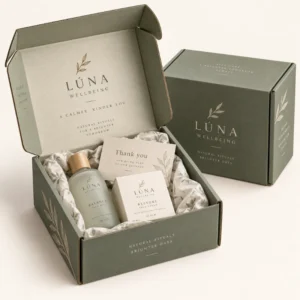
Bespoke Ecommerce Packaging
Get a Quote -
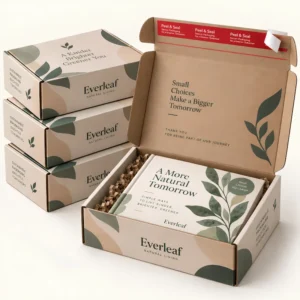
Custom Book Mailer Boxes
Get a Quote -

Custom Candle Mailer Boxes
Get a Quote -
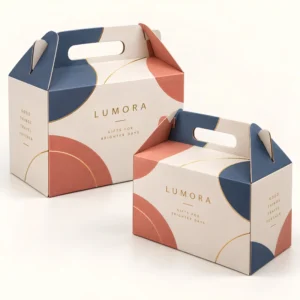
Custom Gable Boxes
Get a Quote -
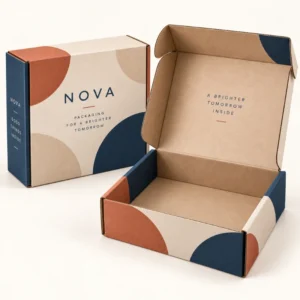
Custom Mailer Boxes UK
Get a Quote -
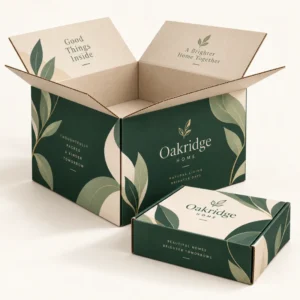
Custom Shipping Boxes
Get a Quote -
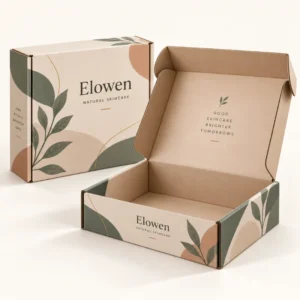
Printed Postal Boxes
Get a Quote
wholesale packaging means packaging bought in quantity for business use, with a consistent specification that can be repeated across orders. It covers boxes, mailers, cartons and presentation packs, and it suits sellers who pack regularly and need stock they can rely on. The goal is simple: protect the product, present the brand well, and keep packing efficient.
Wholesale buying differs from buying a small number of boxes for a single occasion. A wholesale specification is recorded and reused, so board, size, print and finish stay the same from one run to the next. That repeatability reduces packing errors, helps staff work faster, and gives customers a familiar experience. It also makes stock planning easier, because you can forecast use based on order volumes rather than guessing each week.
What wholesale packaging can include
Wholesale packaging can include plain transit boxes for protection, printed mailer boxes for ecommerce orders, retail cartons for shop shelves, gift boxes for sets, and inserts that hold products in place. It can also include tissue, dividers and other paper based packing materials that complete the presentation. The right mix depends on whether the product is posted, sold in store, gifted, or all three.
Start by mapping the journey of your product. A product that travels by courier needs crush resistance and a secure closure. A product sold in store needs shelf presence and clear information. A gift product needs an opening experience that feels special. Many businesses need more than one packaging type, and a wholesale plan should cover each stage rather than forcing one box to do every job.
Wholesale packaging for ecommerce and retail
Ecommerce packaging must survive handling and still look good on arrival. Mailer boxes and sturdy shipping boxes are common choices, often with inside print or a simple insert. Retail packaging must stand upright, display well, and communicate product details at a glance. A retail carton may use brighter print, a window, or a premium finish, while an ecommerce mailer may prioritise strength and easy opening.
Some brands use the same box for both channels, which can simplify stock. That approach works best when the box is strong enough for posting and attractive enough for a shelf. If the two needs conflict, using two related designs with shared branding is often better than compromising on both. Shared colours, type and logo keep the brand recognisable even when the box structure differs.
Planning a wholesale packaging range
A useful wholesale range has a small number of well chosen sizes, rather than many similar sizes that are hard to stock. Group products by size and weight, and choose a box for each group that gives a snug fit with light protection. Record the product group, box size, board, insert and packing method for each box, so reorders and staff training stay consistent. Fewer sizes also reduce storage needs and make picking faster.
Materials and sustainability in wholesale packaging
Paper based packaging remains the most common wholesale choice in the UK, because it is printable, widely recyclable and available in many board grades. Kraft board suits natural and eco focused brands. White board suits bright, full colour designs. Corrugated board adds strength for transit, while rigid board suits premium presentation. Each material has a different cost, print result and environmental profile, so the choice should reflect the product and the brand.
Sustainability claims should be based on the actual specification, not on a general impression. Check whether the board is recyclable in standard UK recycling, whether plastic components can be removed, and whether finishes affect recyclability. Using less packaging overall, choosing a snug size, and avoiding unnecessary layers can be more effective than adding a green claim to an oversized box. Clear disposal guidance on the box can also help customers recycle correctly.
Producer responsibility for wholesale buyers
Businesses that place large volumes of packaging on the UK market may have obligations under extended producer responsibility rules. These rules shift end of life costs to producers and encourage packaging that is easier to recycle. The GOV.UK extended producer responsibility guidance explains who may be obligated and what registration and reporting may involve. Reading it early helps larger buyers plan data collection alongside their packaging orders.
Smaller businesses may not be obligated, but keeping simple records of packaging types and quantities is still useful. Records help with reordering, with sustainability reporting, and with spotting waste. They also make it easier to change suppliers or specifications without losing track of what worked.
Reducing waste without reducing protection
Waste reduction starts with size. A snug box needs less void fill, takes less storage space, and often fits a smaller postal category. Next, review inserts: a well designed card insert can replace loose material and improve presentation at the same time. Finally, review print and finishes: a simple, durable design that survives transit without scuffing reduces the need for extra outer packaging.
How to order wholesale packaging well
A good wholesale brief includes product sizes and weights, quantities, sales channels, print and finish needs, insert needs, and timing. Include the most difficult products to pack, not only the easiest, because those products often determine the box size or board grade. If you have seasonal peaks, mention them, so stock can be planned before demand rises rather than during it.
Proofing matters at wholesale scale, because a small error repeats across the whole run. Check artwork flat and assembled, check spelling and essential information, and check colours against brand materials. A sample packed with real products can reveal fit, weight, closure and opening issues that are hard to see on screen. Allow time for revisions, especially for a first order with a new specification.
Lead times on this site after final artwork approval are 10 to 14 working days for standard boxes, 12 to 15 working days for corrugated boxes, and 13 to 16 working days for rigid and specialist boxes. These are production lead times, not a guaranteed delivery date, so build artwork approval and transit into your plan. For regular wholesale buyers, keeping a reorder record with exact specifications makes repeat orders faster and more accurate.
Explore related wholesale ranges through wholesale boxes and packaging and wholesale packaging boxes. For a tailored brief, use the get a quote page, or learn more about the business on the about us page.
Frequently asked questions about wholesale packaging
What counts as wholesale packaging?
Wholesale packaging is packaging bought in business quantities with a repeatable specification, rather than a single small purchase. It is designed for regular packing, consistent quality and efficient reordering.
How do I start a wholesale packaging order?
Start with product dimensions, weights and quantities, plus your sales channels and any print or insert needs. A clear brief, followed by a proof and a sample test, usually leads to a smoother first order.
Is wholesale packaging always printed?
No, wholesale packaging can be plain or printed. Plain packaging suits transit and storage, while printed packaging suits brand recognition and presentation. Many businesses use plain boxes for transit and printed boxes for customer facing orders.
How can wholesale packaging be more sustainable?
Choose a snug size, a paper based board that is widely recyclable, and inserts that replace loose void fill where possible. Keep records of packaging types and quantities, and avoid finishes or components that make recycling harder unless they serve a clear purpose.
What should I check before a large wholesale reorder?
Check that product sizes have not changed, that print and board still match your brand, and that storage conditions have not damaged stock. Confirm timing against seasonal demand, and review any packing issues from the previous run before repeating the same specification.