
printed packaging UK
Showing all 7 results
-
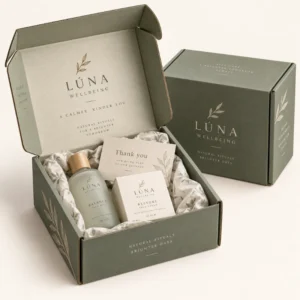
Bespoke Ecommerce Packaging
Get a Quote -
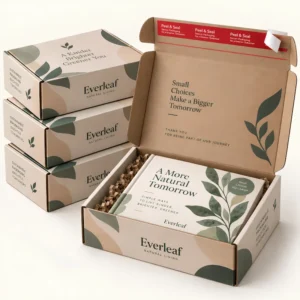
Custom Book Mailer Boxes
Get a Quote -
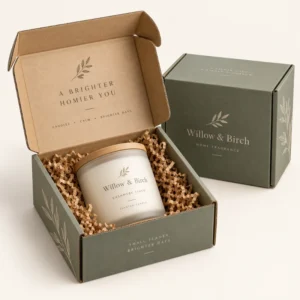
Custom Candle Mailer Boxes
Get a Quote -
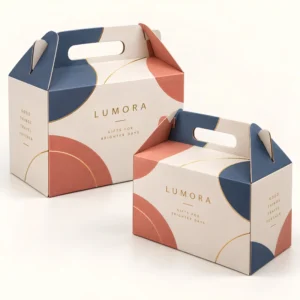
Custom Gable Boxes
Get a Quote -
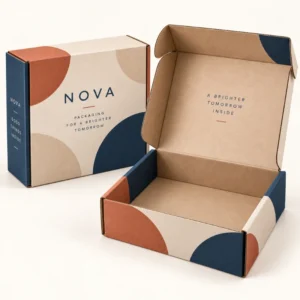
Custom Mailer Boxes UK
Get a Quote -
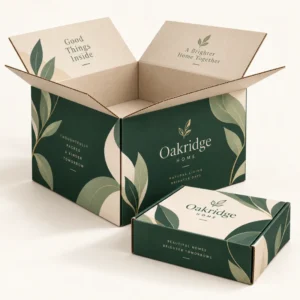
Custom Shipping Boxes
Get a Quote -
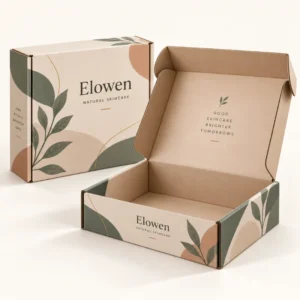
Printed Postal Boxes
Get a Quote
Printed packaging uk covers the full range of branded boxes and cartons that UK businesses use to protect products, present a brand, and send orders safely through the post. It includes mailer boxes, postal boxes, shipping cartons and retail boxes, each printed with a logo, pattern or message that identifies the sender. The best choice is rarely the most decorated option; it is the option that fits the product, survives transit, and looks right for the customer who opens it.
What printed packaging uk includes
Printed packaging is a broad term, and it helps to break it into jobs rather than box names. Some packaging is mainly for retail display, where the box sits on a shelf and needs to attract attention and carry product information. Some is mainly for posting, where protection and a secure closure matter more than shelf impact. Some does both jobs, acting as the retail box and the outer parcel in one. Understanding which job matters most will narrow the choice quickly and avoid paying for features that do not help.
Retail boxes are often made from folding card, which prints crisply and folds flat for storage. Postal and shipping boxes are often made from corrugated board, which gives more protection against knocks and stacking. A business that sells in shops and online may need both: a retail box that looks good on a shelf, and a mailing box that protects that retail box on its way to a customer. Planning the two together prevents a retail box that is too large for a sensible outer parcel, or an outer parcel that crushes the retail design.
Mailer, postal and retail formats
Mailer boxes are folding corrugated boxes with a locking lid, popular for online orders because they pack quickly and open cleanly. Postal boxes are usually taped cartons built for strength in transit, and they suit heavier or bulkier goods. Retail boxes are folding card boxes with a tuck flap or a lid and base, designed for shelf display and for carrying product details. Each format can be printed, but the print area, board surface and closure are different, so a design made for one format may need adjustment for another.
Choosing a format by sales channel
A business that sells mainly online should start with the parcel: how it is packed, how it is labelled, and how it opens at the door. A business that sells mainly in shops should start with the shelf: how the box stacks, how the product name reads from a distance, and how the box opens in a shop. A business that does both should check that the retail box and the outer box work together, with no wasted space and no risk of the retail box being damaged in transit. Samples and packing tests are more useful than pictures alone for this check.
Materials and finishes explained
Kraft board gives a natural, uncoated appearance and suits simple, honest branding. White board gives a bright base for full colour artwork, photography style designs and crisp small text. Corrugated board adds a fluted layer for strength, and the flute size affects both protection and print smoothness. Finishes such as matt lamination reduce glare and fingerprints, while gloss lamination makes colours appear deeper. Foil and embossing can add a premium feel, but they work best as accents rather than covering a whole design.
Designing printed packaging uk that customers remember
Good printed packaging starts with a clear hierarchy: brand first, product second, detail third. A customer should be able to tell who sent the parcel, what is inside, and where to find more information, without hunting for small text. Colour should support that hierarchy, not compete with it. A limited palette often looks more confident than a design that uses every colour available, and it is easier to reproduce consistently across reorders and across different box sizes.
Print placement also matters. The lid or front panel carries the main message, side panels carry secondary information, and the inside can carry a message that rewards opening. Keep the delivery label area clear, keep handling notes legible, and leave space for any legal or care information the product needs. A proof should be checked in daylight and in indoor light, at the size the customer will actually see it, not only enlarged on screen.
Artwork, proofs and consistency
Artwork for packaging needs to account for folds, joins and print areas that may be hidden when the box is assembled. Text placed too close to a fold can be lost or distorted, and a pattern that does not align across a join can look unfinished. A dieline or template, if provided, shows where folds and cuts fall, and it is worth checking artwork against it before approval. Keeping a record of the exact colours, board and finish used makes reorders consistent, which matters for brands that want every parcel to look the same.
Common artwork problems to avoid
Very small text, very fine lines and low contrast colour combinations are the most common problems. They may look fine on screen but become hard to read on board, especially on kraft. Another common problem is a logo placed so close to an edge that it is trimmed or folded. A third is a design that looks good flat but loses its balance once the box is folded, because the main element sits on a side panel rather than the lid. A printed sample or a careful proof review catches all three before production.
Ordering printed packaging uk
Ordering works best when the specification is complete: box format, internal size, board, print coverage inside and outside, finish, quantity, and any inserts. Standard lead time after final artwork approval is 10 to 14 working days, while corrugated lead time after final artwork approval is 12 to 15 working days, so the format affects planning. Allow time for proofing and for delivery to your packing area, and plan around seasonal peaks. For a narrower choice, the printed mailer boxes uk collection focuses on locking lid mailers, and the printed postal packaging collection focuses on the full postal system. You can request a quote, browse the shop, and read the about Personalized Mailer Boxes page for background.
Recycling and practical sustainability
Paper and board packaging is widely recyclable in the UK when clean and dry, and customers increasingly expect packaging that can be recycled or reused without special handling. The most practical step is to choose the smallest box that still protects the product, because that uses less board and less void fill on every order. Paper void fill, paper tape and card inserts usually fit a recycling system more simply than mixed materials. If a coating or finish is needed for protection, ask how it affects recycling, and keep the customer message about recycling short and honest.
Frequently asked questions
What does printed packaging include?
It includes any box or carton printed with a brand, logo or message, from retail folding boxes to corrugated mailer and shipping boxes. The right type depends on whether the box is for display, posting, or both.
Is kraft or white board better for print?
Kraft suits simple, natural branding with dark print. White suits full colour artwork and crisp text. The choice should match the design and the impression the brand wants to give.
How do I avoid artwork problems?
Check artwork against the box template, keep text away from folds and edges, use clear contrast, and review a proof at real size before approving production.
How long does production take?
Standard lead time after final artwork approval is 10 to 14 working days, and corrugated lead time after final artwork approval is 12 to 15 working days. Allow extra time for proofing and delivery.