Description
Custom Shipping Boxes are made-to-size corrugated cartons used to protect products during ecommerce, courier, warehouse and business-to-business distribution. They can be produced in different board strengths, sizes and structural styles, with plain or printed surfaces. UK businesses use them when stock cartons do not provide the right fit, protection, packing efficiency or branded presentation.
Why Custom Shipping Boxes Matter for UK Dispatch
Shipping packaging has to cope with lifting, stacking and repeated movement before delivery. A box that is too large can let products move, while an underspecified board can lose shape under load. Therefore, the specification should begin with the product and its delivery journey.
Made-to-measure dimensions can reduce unnecessary void space and simplify packing. In addition, a consistent box size can make storage, labelling and dispatch easier for repeat orders.
Custom Shipping Boxes can serve direct-to-customer orders, trade distribution and grouped shipments. However, one construction will not suit every application. Lightweight clothing, dense components and fragile glass products each need different decisions about board, internal support and closure.
Practical Features That Support Shipping Performance
The most useful features solve a clear packing or transit problem rather than adding complexity without purpose.
- Custom internal dimensions: sizing around the packed product can limit unnecessary movement and reduce excess space.
- Single-wall or double-wall corrugated board: the board specification can be matched to product weight, box size and expected handling.
- Slotted or die-cut structures: standard shipping cases suit many warehouse operations, while die-cut styles can provide a more specific opening or fit.
- Dividers and inserts: internal components can separate products, hold them in position or keep fragile items away from one another.
- Printed handling or brand information: outer panels can carry logos, instructions, product references or other useful graphics.
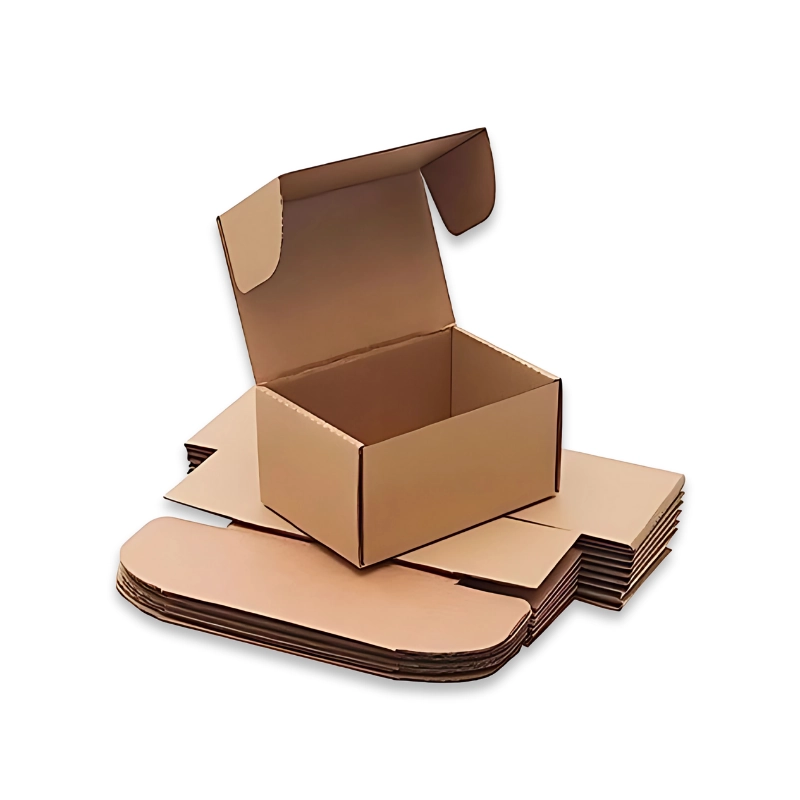
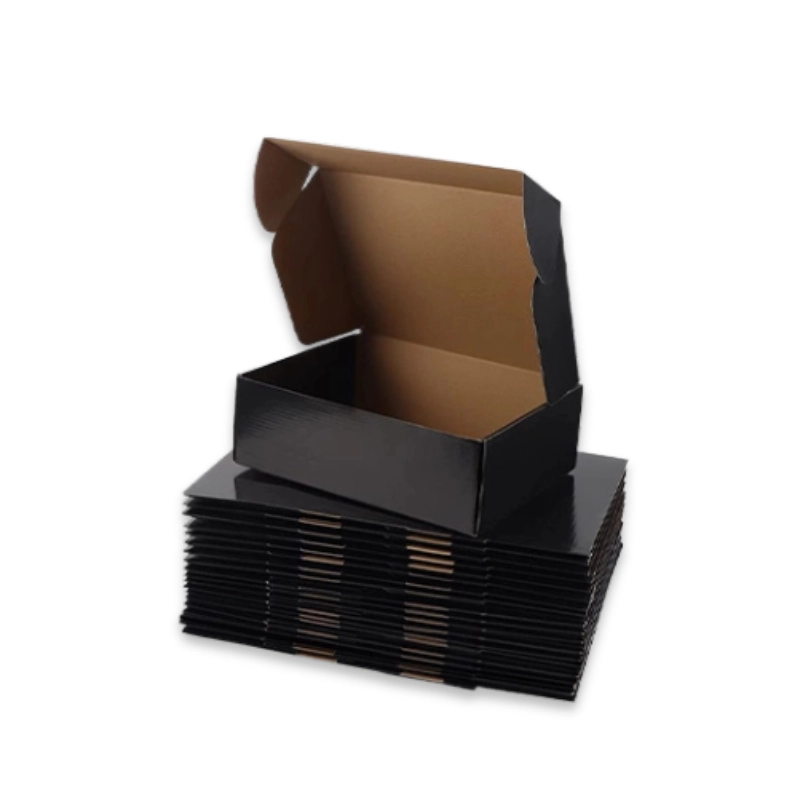
- Flat-packed supply: many corrugated shipping formats arrive flat, which can make empty-pack storage more efficient before use.
The right combination depends on the job. For example, a slotted carton may suit case-packed goods, while a die-cut shipper can give direct-to-customer orders a more controlled opening.
Corrugated Board, Wall Construction and Box Styles
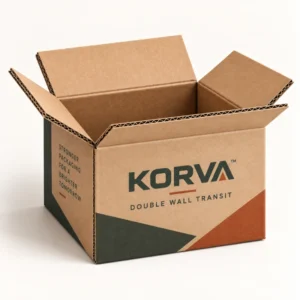
Corrugated board is the main material for most Custom Shipping Boxes because its fluted layer creates stiffness between liner papers. Single-wall board uses one fluted medium between two liners. Double-wall board adds another flute and liner layer, giving more rigidity for demanding applications.
Board choice should follow packed weight, dimensions, stacking conditions and distribution route. Flute profile also affects thickness, cushioning behaviour and print surface. As a result, no single flute or board grade is automatically correct for every shipping box.
Many shipping cartons use a slotted-case construction with top and bottom flaps. The regular slotted case is common because it can be supplied flat and erected when needed. Other projects may use full-overlap flaps or die-cut locking features where the contents justify them.
Brown kraft-style and white outer liners provide different visual bases for print. However, colour alone does not indicate strength. The technical board specification should be chosen separately from the surface appearance.
Custom Sizes, Closures and Internal Protection
A useful specification begins with the packed product, not just the bare item. Measure length, width and height after accounting for any retail carton, cushioning, divider or insert.
Too much spare room can allow products to shift. Conversely, very little clearance can make packing difficult or leave too little space for protection. Therefore, internal dimensions should balance packing speed, protection and access.
Depending on the structure, realistic customisation options can include:
- internal dimensions made around one product or a grouped order;
- single-wall or double-wall board selected for the application;
- regular slotted, overlap or suitable die-cut case formats;
- corrugated partitions, pads or fitted inserts;
- tape-sealed flaps or integrated closure features on selected die-cut styles;
- inside or outside print where the chosen construction supports it.
Fragile products may need cushioning as well as a strong outer box. Meanwhile, multi-item shipments can benefit from dividers that stop products striking each other. Free design support can help connect product dimensions, internal protection and the dieline before production.
Printing Custom Shipping Boxes for Brand and Handling Needs
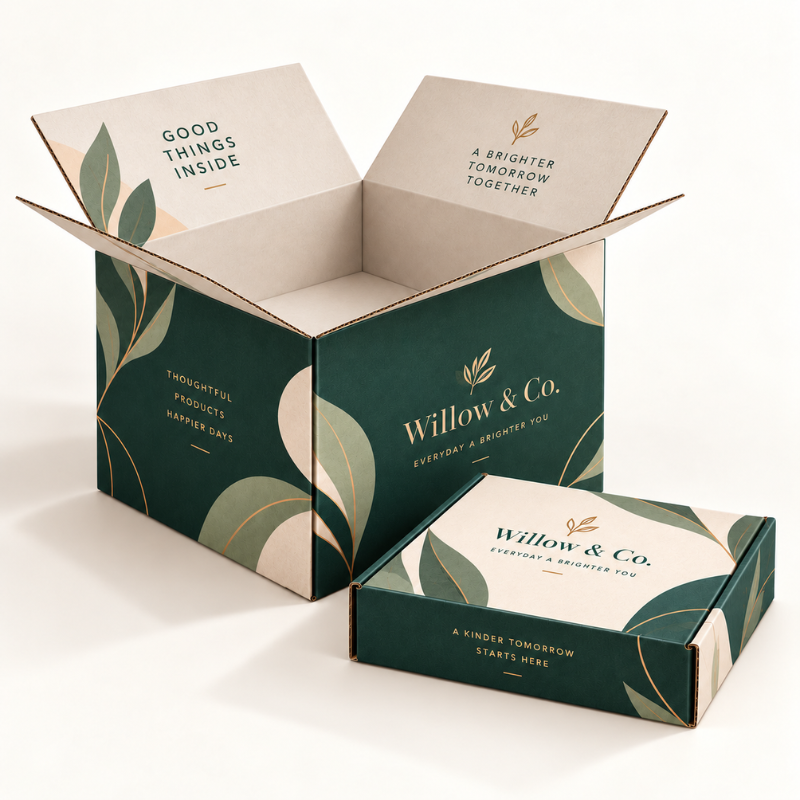
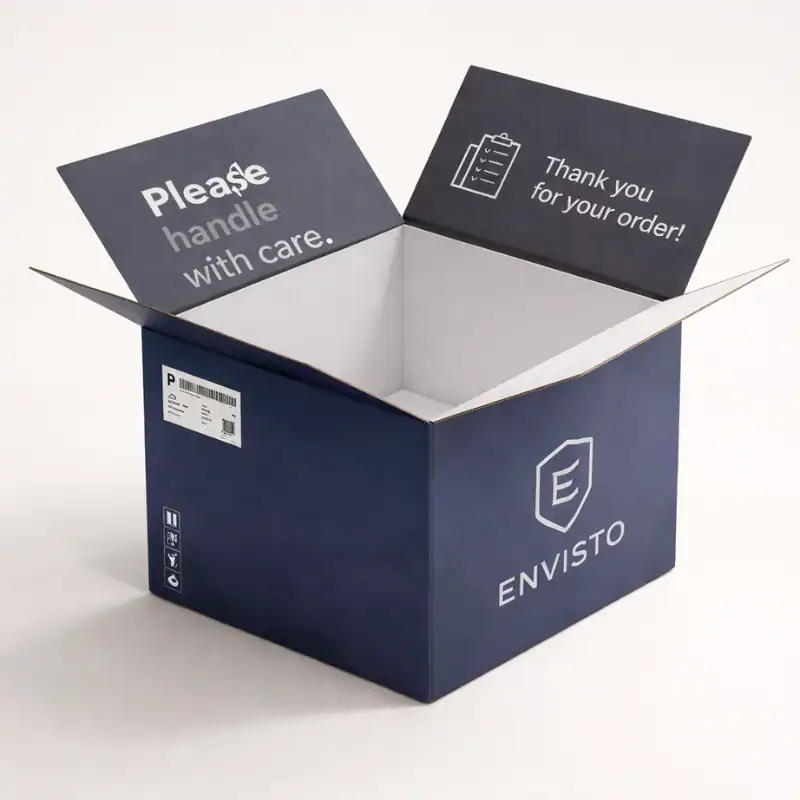
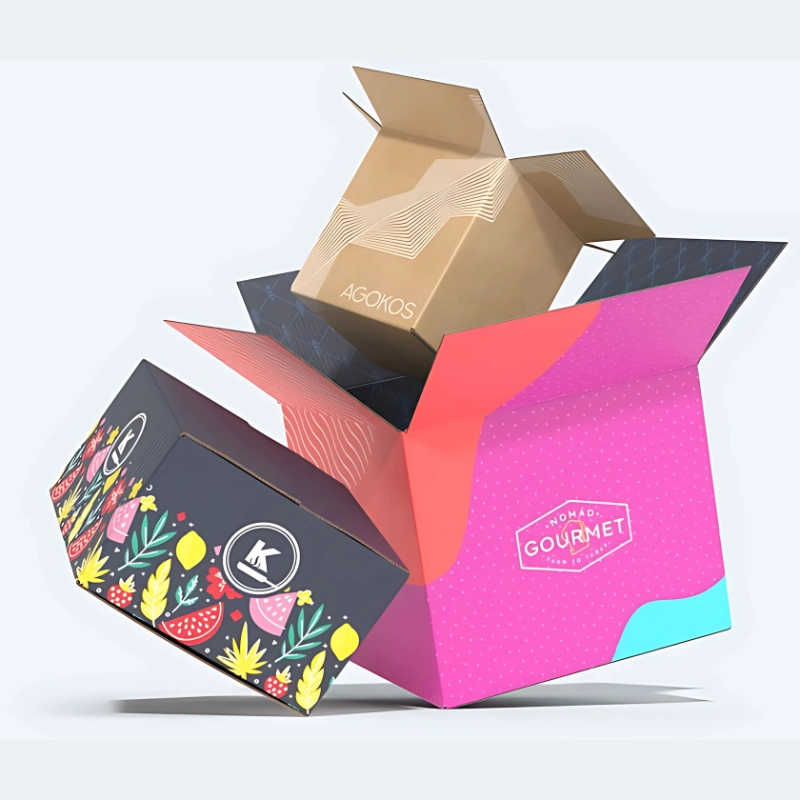
Printed Custom Shipping Boxes can carry useful information without compromising the transit function. A simple logo may suit trade distribution, while ecommerce brands may use larger graphics or inside print for a more recognisable customer-facing pack.
Flexographic printing can suit straightforward logos, text and spot-colour graphics on corrugated board. Digital printing can support more detailed or multi-colour artwork on compatible specifications. Lithographic printing can also be used where a printed sheet is laminated to corrugated board for a more detailed surface.
CMYK works for process-colour artwork, while Pantone references can help specify selected spot colours. Even so, the liner surface affects how colour appears. Natural brown board and white board will not reproduce the same artwork identically.
Selected projects can use varnish, lamination, spot UV, foil, embossing or debossing where the material and converting route support them. However, finishes should not interfere with folds, tape areas, labels or other functional parts.
Where Shipping Boxes Are Used
Custom Shipping Boxes suit businesses that need repeatable protection for goods moving through parcel, courier, warehouse or trade-distribution networks. Typical applications include:
- ecommerce orders containing one or several products;
- wholesale and business-to-business case packing;
- homeware, hardware and general retail goods;
- books, stationery and printed products;
- clothing, footwear and accessories;
- boxed cosmetics, grooming products or candles with suitable internal protection;
- spare parts, tools and components where the board specification matches the load.
The product should determine the final structure. A boxed pair of shoes may need a different outer case from glass jars, even at similar outside dimensions.
Businesses comparing related transit structures can also review corrugated boxes. For compact direct-to-customer orders, mailer-style packaging may offer a different opening and packing method. For fragile consignments, Royal Mail packaging guidance can also help buyers review outer-box and internal-protection choices.
Why Choose Custom Postal Boxes for Shipping Packaging?
Custom Postal Boxes manufactures Custom Shipping Boxes in-house, which keeps the agreed dimensions, board, structure and print specification close to production. This helps businesses ordering repeat packaging around a defined product range.
Free design support can help position artwork around flaps, seams, tape zones and other functional areas. It can also keep handling information clear of labels and closure points.
After manufacturing, fast and free UK delivery helps move completed packaging into the buyer’s packing or warehouse operation. The final specification still depends on dimensions, quantity, board construction, print coverage and internal components.
How to Order Custom Shipping Boxes
A clear brief makes it easier to match the carton to the product and distribution method.
- Describe the contents. Share product type, packed weight, fragility and how the shipment will travel.
- Provide internal dimensions. Include space for retail packaging, inserts, dividers or cushioning.
- Confirm the quantity. This helps determine a suitable manufacturing and print route.
- Choose the structural style. Select a slotted case, overlap format or suitable die-cut construction.
- Select the board. Match single-wall or double-wall corrugated material to the application.
- Plan internal protection. Add pads, partitions or fitted inserts where the contents need them.
- Choose print and finishes. Confirm artwork, colour requirements and any suitable surface treatment.
- Supply artwork. Include logos, copy, handling information and colour references.
- Review the quotation and layout. Check dimensions, flaps, artwork position and internal components before approval.
- Approve production. Manufacturing can then follow the agreed specification before UK delivery.
Frequently Asked Questions
What are Custom Shipping Boxes?
Custom Shipping Boxes are corrugated cartons made around specific product dimensions, packing requirements and delivery conditions. They can use single-wall or double-wall board, different case styles and printed branding. Businesses use them for ecommerce, courier delivery, warehouse distribution and trade shipments where standard stock boxes do not provide the required fit.
What is the difference between single-wall and double-wall shipping boxes?
Single-wall corrugated board contains one fluted layer between two liners, while double-wall board contains two fluted layers with an additional liner. Double-wall construction uses more material and can provide greater rigidity. The correct choice depends on packed weight, dimensions, stacking, handling and the level of protection required.
Can shipping boxes be made to exact dimensions?
Yes. Custom dimensions can be specified around the packed product, including any inserts, retail packaging or cushioning. Accurate internal dimensions can reduce unwanted movement and avoid excessive empty space. However, enough clearance should remain for efficient packing and any protective material the product needs.
Can Custom Shipping Boxes be printed inside and outside?
Yes, suitable corrugated constructions can support exterior and interior printing. The practical print method depends on board, artwork, quantity and production route. Exterior print can carry branding or handling information, while inside print can support customer messaging on appropriate ecommerce formats.
Which box style is best for shipping products?
The best style depends on the product and packing process. Regular slotted cartons suit many warehouse and distribution tasks because they erect efficiently and close with flaps. Die-cut formats can provide more specific openings, locking details or presentation. Product size, weight and handling conditions should guide the choice.
Can custom shipping boxes include dividers or inserts?
Yes. Corrugated pads, partitions and fitted inserts can organise multiple products or reduce movement inside the case. Fragile goods may also need cushioning around individual items. Internal components should be planned with the outer box so the complete pack works as one protection system.
Are custom shipping boxes suitable for fragile products?
Yes, if the outer board and internal protection match the product. Fragile goods may need dividers, cushioning or space between the item and outer walls. A strong box alone does not guarantee protection, so the complete packed arrangement should reflect product weight, shape and expected handling.
Request a Quote for Custom Shipping Boxes
For Custom Shipping Boxes, send Custom Postal Boxes your product dimensions, packed weight, quantity, preferred box style and print requirements. Include any divider, insert or protection needs from the start. We can then review the board, structure and artwork requirements and prepare the packaging specification for production.









Reviews
There are no reviews yet.