
sustainable ecommerce packaging
Showing the single result
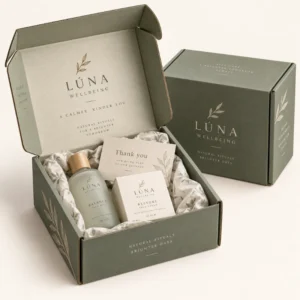
Sustainable ecommerce packaging is packaging for online orders that is designed to use less material, to be easy to recycle or reuse, and to protect the product with as little waste as possible. It usually means fibre based boxes, paper tape and paper cushioning instead of plastic heavy parcels, sized closely to the product inside. Done well, it lowers the amount of packaging a customer has to deal with, while still getting the order there in good condition.
What sustainable ecommerce packaging means in practice
The word sustainable is used loosely in packaging, so it helps to break it into practical choices. The first choice is material: is the box made from recycled fibre, from responsibly sourced fibre, or from a mix, and can it be recycled again after use? The second choice is amount: does the parcel use only what is needed, or does it add layers, fillers and outer boxes that serve no purpose? The third choice is end of life: can the customer recycle the whole parcel through a normal household route, or does part of it need a special collection?
A parcel that scores well on all three is usually a right sized corrugated box, printed with water based inks, sealed with paper tape, and cushioned with paper where cushioning is needed. It avoids mixed materials that are hard to separate, such as a plastic window glued into a card box, or a foil layer that stops the board from being recycled. Simplicity is often the most sustainable feature of all, because a simple parcel is easier to sort, recycle and understand.
Materials that suit online orders
Corrugated cardboard is the workhorse of sustainable ecommerce packaging because it is widely recycled in the UK, it can contain recycled fibre, and it protects well for its weight. Kraft board gives a natural look and usually needs less coating. White board suits brighter print but may need a coating to resist scuffing, so the coating should be checked for recyclability. Paper tape, paper void fill and corrugated wrap keep the whole parcel fibre based, which helps the customer recycle it as one item.
When plastic free is the right aim
Plastic free suits most dry, non fragile and light goods, such as clothing, books, stationery and many beauty products. It is harder for products that need a moisture barrier or a long shelf life, where a plastic layer may still be the practical choice. In those cases, a single material plastic, used sparingly, is usually easier to recycle than a complex multi layer film. The honest approach is to reduce plastic where it does not protect the product, and to be clear about any plastic that remains.
Right sizing and waste reduction
Right sizing means choosing a box that fits the product closely, so less void fill is needed and the parcel takes up less space in a van. Oversized boxes waste board, waste fill, and increase the chance that the product slides and gets damaged. They also make the customer feel that the brand has not thought about waste. Measuring the packed product, including any inner box or insert, and then choosing the closest standard size or a custom size, is the single most effective waste reduction step for many online sellers.
Designing sustainable ecommerce packaging that still sells
Sustainable packaging does not have to look plain. A kraft box with strong black print, a white box with a simple illustration, or a box printed inside with a short message can all look premium without extra layers. The design should also help the customer: a clear recycling note, a simple opening instruction, and no unnecessary stickers or inserts all reduce waste and confusion. If an insert is needed, a paper card usually does the job better than a plastic sleeve.
Print choices matter too. Water based inks and simple colour palettes are widely used for fibre based packaging and suit most brand designs. Heavy coatings, metallic foils and thick laminates can improve appearance, but they can also make recycling harder, so they should be used only where they add real value. A small foil logo may be worth it for a gift brand, while a full metallic laminate across a shipping box rarely is.
Protection without excess
Protection is where sustainable choices are tested. A damaged product creates far more waste than a little extra cushioning, because the product, the packaging and the return journey are all wasted. The aim is enough protection, not maximum protection. Fragile items need inserts, dividers or corrugated wrap. Light, robust items may need only a snug box. Testing a packed parcel by dropping it gently, shaking it and stacking a heavier parcel on top will show whether the protection is right, without guessing.
Testing for transit and returns
Test the parcel as it will actually travel, including any outer label, tape and handling. If the product is returned often, consider a closure that can be resealed, so the same box can be used for the return without a second parcel. A tear strip or a second seal strip can help here, because it gives a clean opening and a tidy reseal. That single feature can save a whole second box on every return.
UK duties and honest claims
Online sellers in the UK should be careful with environmental claims. Words such as recyclable, recycled, compostable and plastic free have specific meanings, and customers and regulators expect them to be accurate. A box made partly from recycled fibre should not be described as fully recycled, and a compostable item should state whether it needs home composting or industrial composting. Keeping claims specific and evidence based protects the brand and helps customers recycle correctly.
Ordering sustainable ecommerce packaging
When ordering, share the product dimensions, weights, fragility and any moisture sensitivity, plus the quantity and the print design. Corrugated lead time after final artwork approval is 12 to 15 working days, so plan around seasonal peaks and allow time for a sample test. A sample packed with real products is the best check, because it shows the fit, the protection and the opening experience together.
For related options, see the ecommerce packaging collection, the ecommerce sustainable packaging collection, and the custom mailer boxes collection. For UK packaging duties, see the GOV.UK packaging producer responsibilities guidance. You can request a quote, browse the shop and read the delivery information page.
Frequently asked questions
Is sustainable ecommerce packaging always plastic free?
Not always. Many sustainable parcels are plastic free, but some products need a barrier or cushioning that plastic provides. In those cases, reducing plastic and using a single recyclable material is usually the better aim than claiming a fully plastic free parcel that fails in transit.
What is the most recyclable ecommerce box material?
Corrugated cardboard is widely recycled through UK household collections and can contain recycled fibre. Keep the parcel fibre based, avoid mixed material layers, and add a clear recycling note for the customer.
Does right sizing really reduce waste?
Yes. A closer fitting box uses less board, needs less void fill, takes less van space and reduces product movement, which also reduces damage and returns.
How do I avoid misleading green claims?
Be specific. State the recycled content, the material, and the disposal route, and avoid broad claims that the whole parcel cannot support. Check the GOV.UK guidance linked above for producer duties that may apply.