Packaging Materials
Showing all 14 results
-
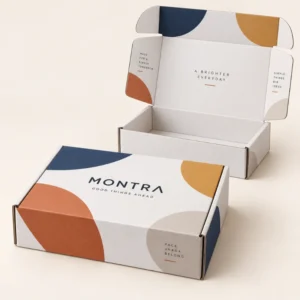
Cardboard Postal Boxes
Get a Quote -
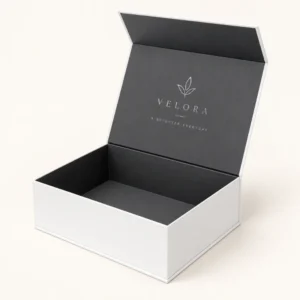
Collapsible Boxes
Get a Quote -
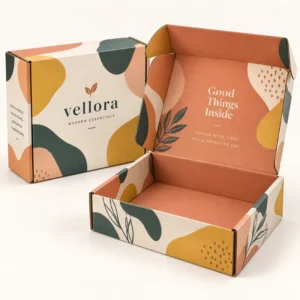
Corrugated Mailer Boxes
Get a Quote -
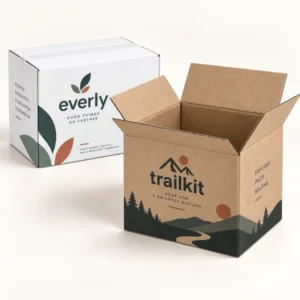
Corrugated Shipping Boxes
Get a Quote -
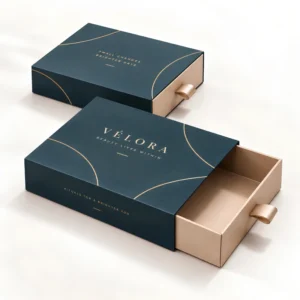
Custom Drawer Boxes
Get a Quote -
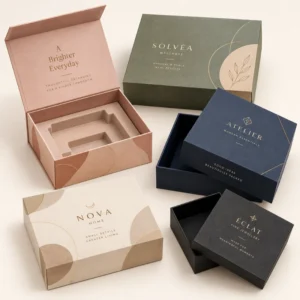
Custom Rigid Boxes
Get a Quote -
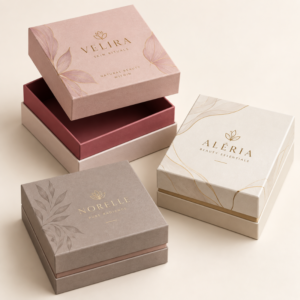
Custom Shoulder Boxes
Get a Quote -
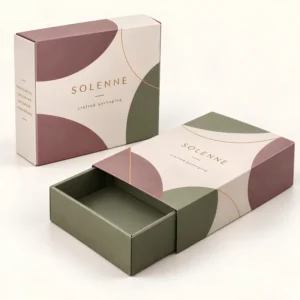
Custom Sleeve Boxes
Get a Quote -
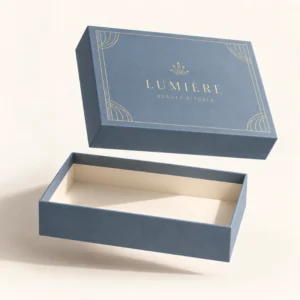
Custom Two Piece Boxes
Get a Quote -
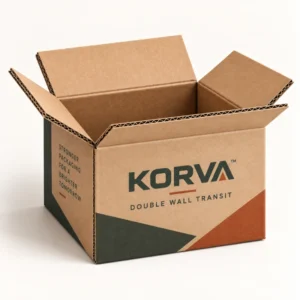
Double Wall Shipping Boxes
Get a Quote -
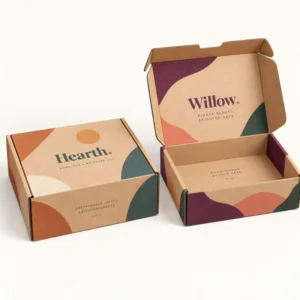
Kraft Mailer Boxes
Get a Quote -
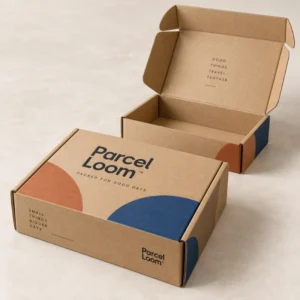
Kraft Postal Boxes
Get a Quote -
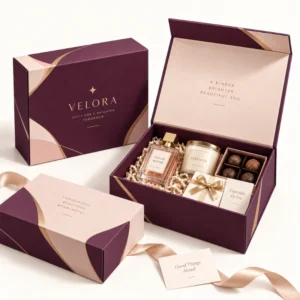
Magnetic Gift Boxes
Get a Quote -
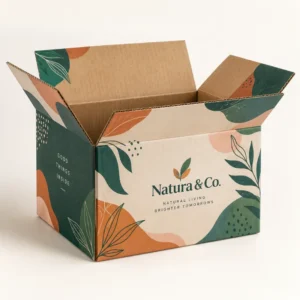
Single Wall Corrugated Boxes
Get a Quote
Packaging Materials shape how custom boxes fold, print, protect products and perform during storage or delivery. This category helps UK businesses compare board options before choosing a box style. Explore cardboard and paperboard for folding cartons, kraft board for a natural surface, corrugated board for transit protection, and rigid board for constructed presentation boxes. Start with the product, packed weight, box structure and print requirement, then choose the material that supports those needs.
Compare Packaging Materials by what the box needs to do
Different Packaging Materials solve different packaging problems. Cardboard and folding paperboard suit many lightweight retail cartons because they crease cleanly and provide a suitable surface for detailed print. Kraft board offers a recognisable natural brown surface, although its base colour changes how printed colours appear.
Corrugated board uses liners with a fluted layer between them. Therefore, it adds structural support for mailers, ecommerce packs and shipping cartons. Rigid board serves a different purpose. Manufacturers usually use it as the core of constructed boxes, then add a separate paper or printed wrap.
These material families overlap, so product weight, dimensions, handling and presentation should guide the specification.
How to choose the right material for your packaging
Begin with the packed product. Its dimensions, weight and fragility tell you more than appearance alone. For example, a lightweight retail item may work well in folding card, while a heavier ecommerce order may need corrugated construction.
Next, consider the journey. Retail shelves, warehouse storage, courier networks and gift presentation place different demands on Packaging Materials. A box that works on a shelf may not offer enough support for repeated transit handling.
Print also matters. Smooth white paperboard can support detailed graphics, while natural kraft influences the colours printed over it. In addition, corrugated liners and rigid box wraps create different print surfaces. Choose the board and print process together.
Cardboard, kraft, corrugated and rigid board compared
Cardboard is a broad commercial term, so the exact board specification still matters. Folding paperboard works well for cartons, sleeves and other lightweight structures. If you want to browse material-led box options on the site, Cardboard Boxes provide a useful starting point.
Kraft board suits packaging where the visible brown surface forms part of the design. However, white ink, spot colours or carefully planned artwork may work better than assuming every full-colour design will reproduce as it does on white board.
Corrugated board adds a fluted middle layer between liners. As a result, it suits many protective mailer and shipping structures. Rigid board gives constructed presentation boxes their stiffness and substantial feel. Each material supports different structures, so assess Packaging Materials alongside the intended box format.
Custom sizes, inserts and structural choices
Material choice affects how a box can fold, lock, stack and hold its shape. Therefore, custom size should follow the packed product and the chosen construction. A folding carton needs suitable crease performance, while a corrugated shipping box needs structural support for handling and stacking.
Inserts and dividers also change the material requirement. Card inserts can organise lighter products, while corrugated fitments can add support inside transit packs. Rigid presentation boxes may use separate inserts. However, add internal components only when they improve protection, organisation or presentation.
Printing and finishing across different Packaging Materials
Printing methods should match both artwork and substrate. Digital printing can suit detailed work and shorter quantities. Flexographic printing often suits corrugated packaging and simpler artwork, while lithographic printing can support detailed graphics on suitable paperboard or printed wraps.
CMYK supports full-colour artwork, whereas Pantone spot colours can help with specific brand shades. Surface colour still affects the result, especially on natural kraft.
Finishes also depend on the material. Matt or gloss lamination can suit many coated paperboard or wrapped rigid applications. Foil, embossing, debossing and spot UV may work on compatible surfaces. Because each substrate behaves differently, confirm the board before selecting finishes.
Where Packaging Materials make sense
Retail cartons often favour paperboard because it combines folding performance with a strong print surface. Ecommerce operations may use corrugated board where handling and delivery protection matter more. Custom Mailer Boxes can use corrugated constructions for postal orders, while Custom Shipping Boxes usually place greater emphasis on transit strength and stacking.
Kraft can work across selected cartons, mailers and sleeves when its natural colour supports the artwork. Rigid board makes more sense for constructed presentation packaging where stiffness and opening experience matter. Therefore, the best material depends on the job rather than the industry name alone.
For businesses reviewing material use, UK packaging design requirements state that packaging should use the minimum weight and volume needed to keep products safe and hygienic.
Why choose Custom Postal Boxes for material selection
Custom Postal Boxes uses in-house manufacturing to coordinate material, dimensions, structure and print around the agreed specification. That matters because changing one part of a box can affect the others.
Free design support can help with dielines, print placement and artwork preparation. In addition, fast and free UK delivery helps businesses move completed packaging into their fulfilment process after production.
How to request a quotation
- Explain what product the packaging must hold.
- Provide product or packed dimensions and approximate weight.
- Share the quantity and intended use.
- Choose a material family or ask for guidance.
- Confirm the preferred box style and internal support.
- Explain print coverage, colours and finishes.
- Supply artwork or use free design support.
- Review the quotation, material and structure.
- Check and approve the final proof.
- Manufacturing begins after approval.
- The completed packaging moves to UK delivery.
Frequently asked questions
What Packaging Materials are commonly used for custom boxes?
Cardboard or folding paperboard, kraft board, corrugated board and rigid board cover many custom box requirements. Each behaves differently. Paperboard suits many folding cartons, corrugated adds structural support for delivery, kraft provides a distinct surface colour, and rigid board supports constructed presentation boxes. The product and box style should guide the final choice.
Which packaging material is best for shipping?
Corrugated board is a common starting point because its fluted construction adds structural support. However, the correct specification depends on box dimensions, packed weight, stacking, fragility and handling. A material name alone cannot confirm performance, so share the real packing conditions before choosing the board.
What is the difference between cardboard and corrugated board?
Cardboard often refers broadly to paper-based board, while corrugated board has a fluted layer between liners. That construction changes stiffness, cushioning and structural behaviour. Therefore, folding card commonly suits lighter retail cartons, while corrugated board often suits mailers and shipping boxes that face more handling.
Does kraft board always mean brown packaging?
No. Most buyers associate kraft with a natural brown appearance, but kraft-based boards and liners can have different surfaces. The substrate also affects print. As a result, artwork should account for board colour instead of assuming colours will reproduce exactly as they do on a bright white surface.
Can all Packaging Materials use the same printing method?
No. The best printing method depends on material, surface, artwork, quantity and box construction. Digital, flexographic and lithographic processes suit different jobs. For example, flexographic print commonly works with corrugated packaging, while detailed paperboard graphics may suit digital or lithographic production.
Do finishes work on every type of packaging board?
No. Lamination, foil, spot UV, embossing and debossing need compatible surfaces and production methods. Some treatments work readily on coated paperboard or printed rigid wraps, while corrugated or natural kraft may need a different approach. Therefore, confirm finish compatibility before finalising artwork.
How do I choose Packaging Materials if I do not know the board specification?
Start with the product rather than a technical board name. Share dimensions, weight, fragility, box style, delivery method, quantity and print requirements. Custom Postal Boxes can then discuss suitable material directions. This keeps the decision tied to protection, presentation and production instead of forcing a material choice too early.
Request guidance on Packaging Materials
Compare the material families, then send Custom Postal Boxes your product details, box style, dimensions, quantity and print brief. If you are unsure which Packaging Materials fit the job, explain how you plan to use the pack. That gives the team a practical basis for discussing cardboard, kraft, corrugated or rigid board before quotation.