
custom packaging for small business uk
Showing all 7 results
-
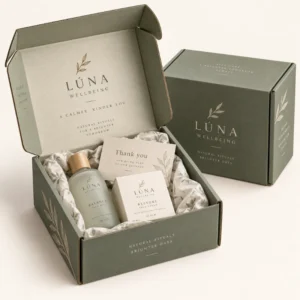
Bespoke Ecommerce Packaging
Get a Quote -
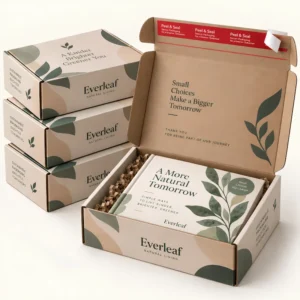
Custom Book Mailer Boxes
Get a Quote -
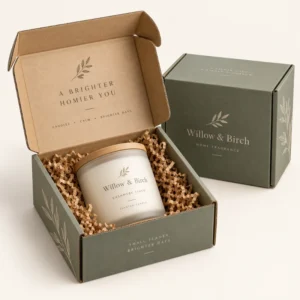
Custom Candle Mailer Boxes
Get a Quote -
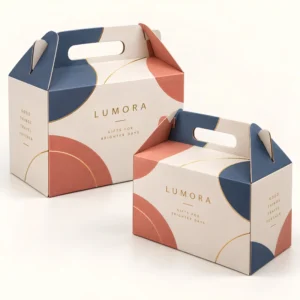
Custom Gable Boxes
Get a Quote -
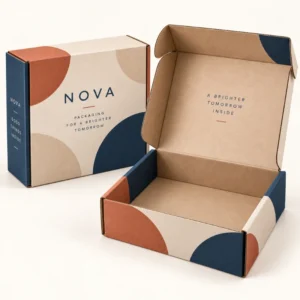
Custom Mailer Boxes UK
Get a Quote -
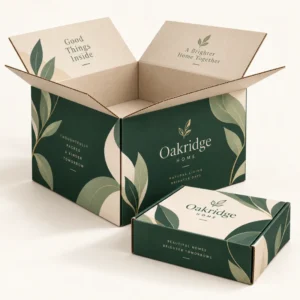
Custom Shipping Boxes
Get a Quote -
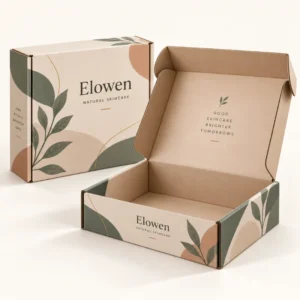
Printed Postal Boxes
Get a Quote
For a growing firm, custom packaging for small business uk offers a practical way to look professional from the very first order, without committing to warehouse quantities that do not fit a small operation. A printed box made to fit the product, in a quantity that matches real sales, helps a small brand stand out, protect its goods, and build trust with every delivery. The key is to start simple, choose a structure that packs quickly, and scale the design as orders grow.
Why custom packaging for small business uk works at a smaller scale
Small businesses often compete with larger brands on quality, service, and personality, and packaging is one place where that difference is easy to show. A plain box with a handwritten label can feel improvised, while a clean printed mailer box with a clear logo signals care and attention. Customers notice that difference, and they are more likely to remember the brand, share a photo of the parcel, or return for a second order when the opening experience feels intentional.
Small scale custom packaging also helps with cash flow and storage. Ordering a quantity that matches a realistic sales period avoids tying money up in boxes that sit in a spare room for months, and it leaves room to refine the design after customer feedback. A first run can test the box size, the print, and the insert, and the next run can improve on what was learned, rather than locking the business into a large stock of a design that no longer fits.
Starting with one box style
Many small businesses do best by starting with a single mailer box style that fits their bestselling product or a common order size. A self locking mailer box is quick to assemble, needs little or no tape, and looks neat on arrival. Once that core box works well, a second size can be added for larger orders, gift sets, or bundles, and the same branding can carry across both sizes so the range looks coherent.
Keeping packing simple in a small workspace
In a small workspace, packing speed and tidiness matter as much as appearance. Boxes that arrive flat, fold quickly, and stack neatly save bench space and reduce packing errors. Keep tissue, inserts, and labels in the same packing area, and use a simple checklist for each order type so every parcel leaves with the same contents and presentation, even on a busy day.
Choosing materials and print for a small brand
Material choice should follow the product first. Light items such as stationery, candles in protective packaging, or soft accessories may suit a lighter corrugated board, while glass, ceramics, or heavier goods need stronger board and a fitted insert or divider. Kraft board gives a natural, understated look and is widely recyclable, while white board gives a brighter base for full colour print. Both can work well for a small brand, and the choice often comes down to the brand style and the product inside.
Print does not need to be complicated to be effective. A logo, a short brand message, and a consistent colour can carry a design, especially when the box itself is well made and the interior is tidy. Full colour print is useful for detailed artwork or photography, while a limited colour design on kraft can look modern and honest. Ask for a proof before production, and check the logo size, colour, and position at actual size, because a design that looks good on screen can feel different on a real box.
Budget planning without cutting corners on protection
For a small business, the safest way to plan a packaging budget is to separate the essentials from the extras. Protection, correct size, and secure closure are essentials, because damage and returns cost far more than a well made box. Premium finishes, inside print, and elaborate inserts are valuable extras, and they can be added for gift ranges or seasonal editions once the core box is proven. This approach keeps the first order affordable while leaving room to grow the design.
What to include in a first quote request
A good first quote request includes product dimensions, packed weight, the number of items per box, the box style if known, print requirements, and the quantity needed. Add a note about any inserts, tissue, or special closure, and say whether the box will be used for posting and how much presentation on opening matters. The clearer the brief, the more accurate the quote, and the fewer revisions needed before artwork approval.
Artwork, lead times, and growing the range
Artwork preparation is often the stage where small businesses lose time, so it helps to prepare files early. Supply the logo in a clear format, confirm the exact brand colours, and keep text short and legible. A supplier can usually advise on file format and print area, and a digital proof lets the business check the design before production. Once artwork is approved, standard lead times are 10 to 14 working days, and corrugated boxes take 12 to 15 working days. These are production lead times, not a guaranteed delivery date, so plan launches and restocks with that timing in mind.
As sales grow, the packaging range can grow with them. A second box size, a printed insert card, or a seasonal sleeve can refresh the brand without changing the core structure that packing teams already know. Keeping the same board, print references, and box dimensions on record makes repeat orders straightforward, and it helps new team members pack to the same standard. Growth in packaging should follow growth in orders, not run ahead of it.
Sustainability choices for small UK businesses
Many small UK businesses want packaging that customers can recycle easily, and paper based options make that straightforward. Corrugated board is widely recyclable, and paper tape and paper void fill help keep the whole pack recyclable together. Add a short recycling note on the box or insert if helpful, and avoid mixed materials where a paper alternative works just as well. Sustainability claims should stay honest and specific, naming the material rather than making a broad claim that cannot be supported.
Learning from customer feedback on packaging
Customer comments about packaging are valuable, even when they are brief. A note that a box was hard to open, that an item moved in transit, or that the unboxing felt special all point to a specific improvement. Keep a simple log of packaging feedback, review it before each reorder, and adjust size, insert, or closure where a pattern appears. Small, steady improvements often matter more than a complete redesign.
Browse custom mailer boxes, visit shop all packaging, and request a tailored specification through get a quote. Learn more about the business on about us.
Frequently asked questions
Is custom packaging realistic for a very small business?
Yes, when the quantity matches real sales and the design starts simple. One well chosen mailer box style, printed with a clear logo, can look professional without requiring large storage space or a large upfront stock commitment.
What size should a small business choose first?
Start with the size that fits the bestselling product or the most common order, measured with its insert and protective wrap. A second size can be added later for larger orders or bundles, using the same branding for a coherent range.
What artwork do I need to supply?
Supply a clear logo, confirm brand colours, and keep text short and legible. A digital proof should be checked at actual size before production, with particular attention to logo sharpness, colour, and position clear of folds.
How long will my first order take after artwork approval?
Standard lead times after final artwork approval are 10 to 14 working days, and corrugated boxes take 12 to 15 working days. Allow additional time for artwork preparation and delivery planning around launches or seasonal peaks.
Can small business packaging be recyclable?
Yes, corrugated board and paper based inserts are widely recyclable, especially when paper tape and paper void fill are used. Keep material claims specific and check coatings and adhesives with your supplier before making a recycling claim.