
eco friendly ecommerce packaging
Showing the single result
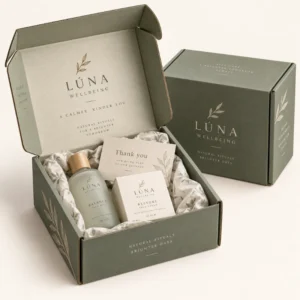
Eco friendly ecommerce packaging is online order packaging chosen to lessen environmental impact across its whole life, from raw material and manufacture through delivery, customer use and disposal. That can mean recyclable cardboard, compostable mailers for suitable products, reusable boxes for repeat deliveries, or simply less packaging overall. For eco friendly ecommerce packaging, the most helpful definition is a practical one: packaging that protects the product, uses materials thoughtfully, and gives the customer a clear, honest way to reuse, recycle or compost it.
Why eco friendly ecommerce packaging needs clear language
The phrase eco friendly is used very loosely in online retail, which can confuse customers and undermine trust. A box described as green, natural or sustainable may still contain plastic film, heavy coatings or mixed materials that are hard to recycle. Customers are increasingly alert to that gap, and regulators in the UK expect environmental claims to be clear, accurate and supported. Using precise language, such as recyclable, compostable, reusable or made with recycled content, helps customers understand what to do with the packaging and helps brands avoid claims they cannot support.
Clarity also helps inside a business. When a team agrees what eco friendly means for its own orders, it can compare suppliers fairly, set a consistent standard and explain its choices to customers without exaggeration. That standard might be paper based materials only, a minimum recycled content, a compostable mailer for clothing orders, or a reusable box for a subscription service. Whatever the standard, it should be written down, applied consistently and reviewed as materials and recycling services change.
Recyclable, compostable and reusable compared
Recyclable packaging can be collected and reprocessed into new paper, card or other materials, provided it is clean and accepted by local recycling services. Cardboard boxes are the most familiar example, and they work well for most online orders. Compostable packaging is designed to break down under home or industrial composting conditions, depending on its certification, and it suits lightweight items such as clothing in a mailer bag. Reusable packaging is designed to be returned and used again, which suits subscriptions, rental services and regular deliveries between a business and its customers.
When compostable is not the best choice
Compostable mailers are not automatically better than recyclable cardboard for every order. A compostable bag may protect a soft item well, but it may not protect a fragile or heavy item as effectively as a cardboard box. Customers also need access to composting, otherwise a compostable item may end up in general waste. Choose compostable packaging where the product, the protection level and the likely disposal route all fit, and explain the disposal route clearly on the packaging itself.
Materials, forestry and responsible sourcing
Paper and cardboard for ecommerce packaging come from virgin fibre, recycled fibre or a mix of both. Virgin fibre from responsibly managed forests can be a legitimate choice, especially where strength and print quality matter, while recycled fibre reduces demand for new fibre and makes use of recovered paper. Certification schemes for forestry and chain of custody can help verify sourcing claims, but a certification logo should only be used where the supplier can evidence it for the specific product supplied. Ask for that evidence before printing a logo on your boxes.
Inks, tapes and coatings also affect the environmental profile of a box. Water based inks, paper tape and uncoated board are often easier to recycle than solvent based inks, plastic tape and heavy plastic lamination. That does not mean every box must be uncoated, because some products need moisture resistance or a durable printed surface. It does mean those choices should be intentional, matched to the product, and explained honestly rather than presented as a default green option.
Designing eco friendly ecommerce packaging that still protects
Protection should never be sacrificed for a sustainability claim, because a damaged product that must be replaced creates more waste than a slightly larger box would have done. Start with the product, its fragility and its journey, then choose the lightest packaging that still gives reliable protection. A snug box with paper cushioning often outperforms a large box filled with plastic void fill, because it stops movement and reduces material use at the same time. Test new packaging through your normal courier route, not just on a packing bench, before rolling it out.
Reusable packaging for repeat orders
Reusable boxes and mailers can work well for subscriptions, clothing rental, book clubs and business to business deliveries where the same customer receives regular orders. The customer returns the empty packaging using a prepaid label or a collection service, and the business inspects, cleans and reuses it. This system needs clear instructions, a durable design and a simple return process, otherwise return rates will be low and the environmental benefit will be lost. For one off orders to new customers, recyclable single use packaging is usually simpler and more practical.
Questions to ask a packaging supplier
Ask what the box and tape are made from, what proportion is recycled content, whether the finished box is recyclable or compostable in UK services, and what evidence supports any certification claim. Ask about minimum order quantities, print options and lead times, so you can plan a change without running out of stock. A supplier who can answer those questions clearly is more likely to support honest claims on your own packaging and website.
Ordering eco friendly ecommerce packaging
Begin with a trial order for your most common product, check packing speed, protection and customer feedback, and then expand the range gradually. Custom corrugated boxes typically take 12 to 15 working days after final artwork approval, while standard boxes take 10 to 14 working days. Printed eco friendly ecommerce packaging can include a short recycling or composting instruction, which helps customers dispose of it correctly. Explore options in the shop for printed packaging, request a tailored range through the get a quote page for custom boxes, and check delivery details on the delivery information page.
Frequently asked questions
Is eco friendly ecommerce packaging always plastic free?
Not necessarily. Eco friendly can mean recyclable, compostable, reusable or lower waste, and some options may still include a small plastic element for protection. Check the material details for each product and choose plastic free options where they genuinely suit your product.
What is the difference between recyclable and compostable packaging?
Recyclable packaging can be reprocessed into new materials through recycling services, while compostable packaging is designed to break down under composting conditions. The right choice depends on the product, the protection needed and how customers can dispose of the packaging.
Can I claim my packaging is eco friendly if it is recyclable?
You can describe it accurately as recyclable, and explain how to recycle it, rather than relying on a broad eco friendly claim alone. Specific, supported claims are clearer for customers and easier to defend.
Does eco friendly ecommerce packaging cost more to use?
Costs vary by material, size and quantity, and this site operates on a quote only basis, so no fixed price is stated here. Right sizing and reduced void fill can offset material differences, and a trial order helps you compare total packing and shipping effects before committing.