
carton box manufacturers
Showing all 7 results
-

Bespoke Ecommerce Packaging
Get a Quote -
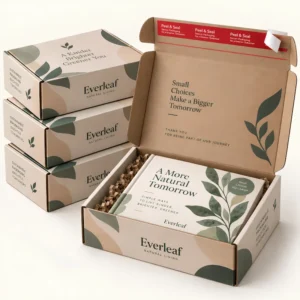
Custom Book Mailer Boxes
Get a Quote -

Custom Candle Mailer Boxes
Get a Quote -
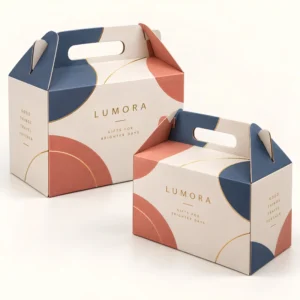
Custom Gable Boxes
Get a Quote -
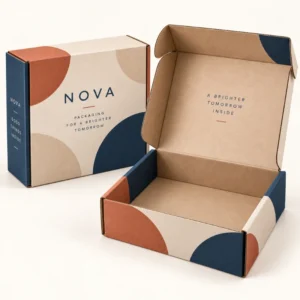
Custom Mailer Boxes UK
Get a Quote -
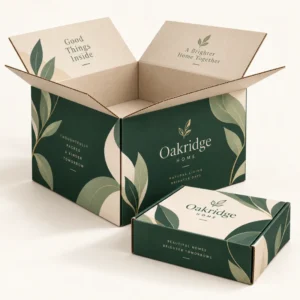
Custom Shipping Boxes
Get a Quote -
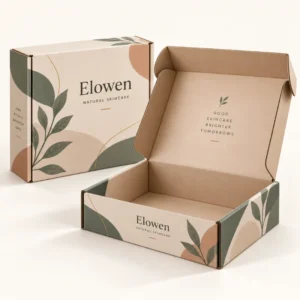
Printed Postal Boxes
Get a Quote
carton box manufacturers design and produce boxes from paperboard and corrugated board, cut to size and printed to a brand specification. They turn a product brief into a structure that protects the goods, presents them well and works on a packing line or a retail shelf. A good manufacturer helps with structure, material, print and proofing, not just with cutting board.
carton box manufacturers and what they make
The term carton covers several different products, and that is why a brief needs to be precise. Folding cartons are light paperboard boxes that fold flat, such as retail boxes for cosmetics, food, supplements, stationery and small consumer goods. Corrugated cartons are stronger shipping and mailer boxes, built from fluted board for transit and handling. Rigid boxes use thick board wrapped in printed paper and suit gifts, premium sets and presentation packs. A manufacturer may specialise in one of these areas or cover several, and the right partner depends on the product and the route to the customer.
Manufacturing starts with structure. A dieline is the flat template that shows every cut, crease and glue area, and it must match the product dimensions exactly. The manufacturer then selects board, plans print, checks colour and arranges a proof. For folding cartons, closures such as tuck ends, auto lock bases and sleeves affect both shelf presentation and packing speed. For corrugated cartons, flute profile and board grade affect stacking strength and print quality. Getting the structure right first avoids costly changes after print.
How to brief a manufacturer clearly
A clear brief saves time and reduces errors. State the product size and weight, including any inner tray, insert or bottle, and state how the product will be packed. Describe the sales route, whether the box will sit on a shelf, travel by post, travel by courier or do both. Share the quantity you need now and the quantity you may need on reorder, because quantity affects print method and board choice. Share artwork as early as possible, even if it is a draft, so colour and layout issues can be raised before plates or tooling are made.
Also state the finish you want and the constraints that matter. A food product may need a board and ink combination suited to its use. A cosmetic product may need a clean, precise print surface and a neat closure. A gift product may need a foil, emboss or soft touch finish. A trade product may need strength and a low unit cost above all else. When these priorities are ranked in the brief, the manufacturer can recommend a specification that fits the real job, rather than a generic box.
Questions worth asking before you order
Ask how the proof will be checked and whether a physical sample is possible for a new structure. Ask what board options suit the product weight and shelf life. Ask how colour will be matched on reorder, so a second run looks like the first. Ask about minimum quantities, lead time after artwork approval and how artwork changes are handled. These questions reveal whether the manufacturer is set up for your kind of work, and they help you compare quotes on the same basis.
Materials and print methods
Paperboard for folding cartons comes in several grades, including solid bleached board with a bright white surface, folding box board with a coated outer surface, and recycled board with a more natural look. Coated board gives crisp print and a smooth finish for retail work. Uncoated board gives a tactile, natural feel and suits brands that want a simpler look. Kraft board gives a warm brown tone and works well for a one colour logo or a bold, simple design.
Corrugated board for shipping cartons ranges from fine E flute, which gives a smooth print surface for mailers, to coarser flutes that give more cushioning for heavier goods. Print methods also vary. Flexographic print suits large runs on corrugated board and simple designs. Offset print suits detailed retail artwork and finer colour control. Digital print suits short runs and test launches where flexibility matters more than unit cost. The manufacturer should explain the trade off between print quality, quantity and turnaround in plain terms.
Finishes that add value without clutter
Finishes can lift a carton, but they should serve a purpose. Lamination protects print and adds a matt or gloss feel. Spot gloss can highlight a logo or a pattern. Foil can add a premium accent for a gift or launch edition. Embossing can add texture to a brand mark. Window patching can show the product inside a retail carton. Each finish adds a step, so it is worth testing whether the effect justifies the added complexity, especially for a first run.
Colour control and proofing
Colour is where many packaging projects go wrong, because a colour on screen rarely matches print exactly. A proof, whether digital or physical, lets you check layout, text size, colour balance and how the design folds around corners. Check small text at actual size, check barcodes if they are needed, and check that no important detail sits on a crease. Approve the proof only when you are confident, because approval is the point from which production lead time is counted.
Choosing a partner and planning production
Experience with your product type matters. A manufacturer that regularly makes food cartons will understand different needs from one that mainly makes shipping cartons. Look for clear communication, a willingness to challenge a specification that will not work, and a process for handling artwork, proofs and reorders. A partner that asks good questions at the briefing stage is usually a safer choice than one that accepts every detail without comment.
Lead time planning should start from artwork approval, not from the first enquiry. After final artwork approval, standard lead time is 10 to 14 working days, corrugated lead time is 12 to 15 working days and rigid or specialist lead time is 13 to 16 working days. Those figures are planning guidance, not a guaranteed delivery date. Allow time for proofing, for a physical sample if needed and for any artwork revisions. A rushed approval often creates a second run, which costs more time than a careful first check.
Costs, quantities and sustainability
Quantity affects unit cost because setup, plates and tooling are spread across the run. A larger run often gives a lower unit cost, but it also ties up storage and cash. A smaller run gives flexibility for a launch or a seasonal design, even if the unit cost is higher. The right quantity balances expected sales, storage space and the risk of a design change. Reordering the same dieline and artwork usually runs more smoothly than starting a new structure each time.
Sustainability in carton manufacturing is not only about recycled board. Right sizing reduces material and transport volume. A single material carton is easier to recycle than a carton with mixed materials. Clear recycling guidance on the pack helps the end customer dispose of it correctly. Businesses that place packaging on the UK market should also check their duties under extended producer responsibility. See the GOV.UK packaging responsibility guidance for current guidance on who may be obligated and what to do.
From first sample to repeat orders
Treat the first run as a learning run. Check the packed product, the shelf appearance and the customer reaction, then note any changes for the next order. Keep the approved dieline, artwork and colour reference in one place, so a reorder does not rely on memory. A good manufacturer will hold those details and flag any change in board or print that could affect the result. That continuity is what turns a one off box into a reliable part of the brand.
To see how carton ideas translate into a finished range, browse cardboard shipping boxes and cheap custom mailer boxes, and learn more on the about Personalized Mailer Boxes page.
Frequently asked questions
What is the difference between a folding carton and a corrugated carton
A folding carton is a light paperboard box that folds flat and suits retail presentation. A corrugated carton is a stronger box with a fluted layer and suits shipping, handling and stacking. Some products need both, with a folding carton inside a corrugated shipping box.
How much information does a carton manufacturer need for a quote
Product size and weight, quantity, board preference if you have one, print colours, finishes, sales route and artwork or a draft design. The more precise the brief, the more accurate the quote and the fewer revisions needed before production.
Should I ask for a physical sample
Yes, for a new structure, a premium finish or a product with a tight fit. A physical sample shows how the box folds, how the product sits inside and how print looks on the actual board. Digital proofs are useful, but they cannot show every physical detail.
How long does carton production take
Production time is usually counted after final artwork approval. Standard, corrugated and rigid or specialist work have different planning ranges, and proofing or artwork revisions add time before that count starts. Allow a buffer for a launch or seasonal deadline.
Can a small brand work with a carton manufacturer
Yes, especially with digital print or a standard structure for a first run. Start with a clear brief, a realistic quantity and a simple finish, then add complexity as sales and confidence grow. A good manufacturer will explain which choices affect cost most.