
ecommerce packaging solutions
Showing the single result
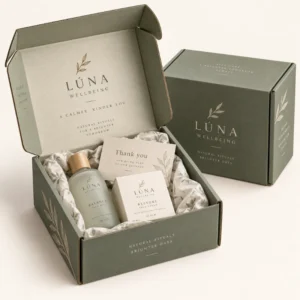
ecommerce packaging solutions are complete, practical systems for sending online orders, not just a single box style. A good solution matches box size to product, protects goods in transit, carries branding through delivery and makes packing, returns and repeat orders simpler. When those parts work together, damage falls, packing speeds up and customers receive an order that feels considered from the moment the parcel arrives.
What makes a complete ecommerce packaging solution
A solution starts with understanding how you sell. Single item orders, bundles, subscriptions, gifts and multi item baskets each need a different approach, and a single box rarely serves them all well. The right solution usually uses a small set of box sizes, a consistent board and print specification, and inserts or dividers where products need extra support. That consistency helps packing teams work quickly and helps customers recognise your parcels.
Presentation is part of the solution, not an extra. The outer box is often the first physical contact a customer has with your brand, so clean print, a tidy opening and a thoughtful interior can shape how the product inside is judged. At the same time, the box must survive sorting and courier handling, stack safely and open without damaging the contents. A solution that looks beautiful but fails in transit, or protects well but looks careless, has only solved half the problem.
Right sizing and protection together
Right sizing means choosing a box that fits the product and any inner pack closely, with just enough room for a simple insert or tissue layer. A close fit reduces movement, reduces filler and often reduces parcel size, which helps storage and handling. It also improves the opening experience, because the customer sees a planned arrangement rather than a product buried in loose filling. Measure products with their inner packs included, and test samples with real orders before committing to a run.
Protection for fragile, heavy and mixed orders
Fragile items need dividers, inserts or cushioning that stop movement and absorb knocks, while heavy items need stronger board and a closure that will not split under load. Mixed orders need a layout that keeps heavier items at the base and lighter or fragile items separated and secure. If your catalogue mixes these types, a solution with two or three structures, rather than one universal box, will usually protect better and waste less material.
Branding that works on a busy doorstep
Branding should be clear at a glance, without cluttering the panels that carry delivery information. A strong logo and brand colour on the outer box, plus a calmer interior with a short thank you message or care guidance, often works better than dense text on every surface. Inside print is especially useful for subscription boxes and gifts, because it is revealed at the moment of opening and can carry a seasonal message, a usage tip or a simple returns note.
Finishes and print choices for different ranges
Everyday dispatch may need only a clean logo and brand colour, while a premium range or launch edition may benefit from fuller artwork, foil, embossing or a soft touch finish. Choose finishes that suit the product and the audience, and check proofs under normal light so colours and detail look right in real use. Consistency across reorders matters too, because customers notice when a familiar box suddenly looks different.
Fulfilment and returns in ecommerce packaging solutions
Fulfilment friendly boxes fold quickly, close securely and stack neatly, which matters when order volumes rise. Self locking mailers reduce tape use and assembly time, while a clear closure and a flat packed supply help small teams pack at speed. If you use a fulfilment partner, share the box specification, packing layout and any insert order early, so the partner can pack consistently and avoid damage caused by improvisation at the bench.
Returns are a normal part of online selling, so a good solution plans for them. A resealable closure lets a customer return an item in the original box, without hunting for new packaging. A short returns instruction inside the lid, plus a layout that keeps returned items protected, can reduce customer service queries and keep returned stock in saleable condition. For sectors with high return rates, this detail can save real time and cost over many orders.
Subscription, gifting and seasonal solutions
Subscription boxes need repeatable consistency, because customers compare each delivery with the last. A fixed structure, board and print specification, with a changeable interior message or insert, keeps the experience familiar while allowing seasonal variety. Gift orders need a presentation led interior, because the recipient may not be the buyer, and the box itself becomes part of the gift. Seasonal peaks need buffer stock and a clear lead time plan, so a popular size does not run out during a sale.
Planning lead times and stock for peaks
Standard boxes usually take 10 to 14 working days after final artwork approval, corrugated boxes usually take 12 to 15 working days, and rigid or specialist boxes usually take 13 to 16 working days. These are production lead times, not a guaranteed delivery date, so allow extra time for proofing, artwork revisions and busy periods. Review order history before a peak, identify your two or three most used sizes and hold a small buffer stock of those sizes.
Building your solution with Personalized Mailer Boxes
Start by sharing your product range, typical order combinations and the experience you want customers to have on opening. That brief lets a supplier recommend a small set of sizes, materials and print options that work as a system. You can explore related options through ecommerce packaging manufacturers and ecommerce packaging material, browse the range in the shop, and read delivery details on the delivery information page. When you are ready, send your brief through the get a quote page.
Frequently asked questions about ecommerce packaging solutions
What is an ecommerce packaging solution?
It is a complete system for online dispatch, covering box sizes, materials, print, inserts, packing method and returns, rather than a single box style.
How many box sizes do I need?
Most online sellers do well with two or three sizes that cover single items, common bundles and larger orders. Review recent orders to find the combinations that occur most often.
What is right sizing?
Right sizing means choosing a box that fits the product closely, with just enough room for an insert or tissue layer, so the product does not move freely and filler waste is reduced.
How can packaging help with returns?
A resealable closure and a short returns instruction inside the lid let customers return items in the original box, which protects returned stock and reduces queries.
How long does a custom solution take after artwork approval?
Standard boxes usually take 10 to 14 working days after final artwork approval, corrugated boxes 12 to 15 working days, and rigid or specialist boxes 13 to 16 working days.