
Custom Mailer Boxes
Showing 1–16 of 20 results
-
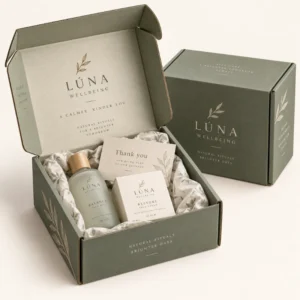
Bespoke Ecommerce Packaging
Get a Quote -
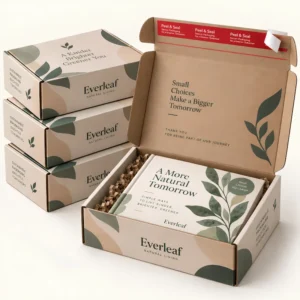
Custom Book Mailer Boxes
Get a Quote -
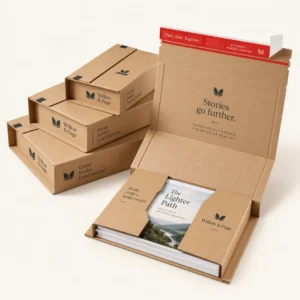
Custom Book Wrap Mailers
Get a Quote -
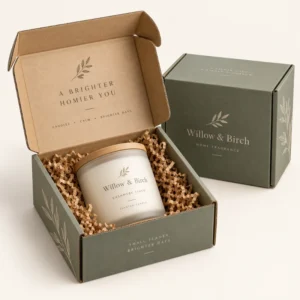
Custom Candle Mailer Boxes
Get a Quote -
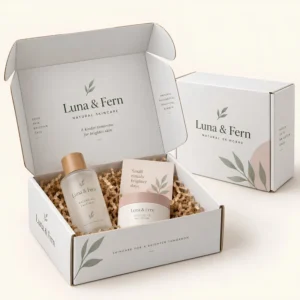
Custom Cardboard Mailer Boxes
Get a Quote -
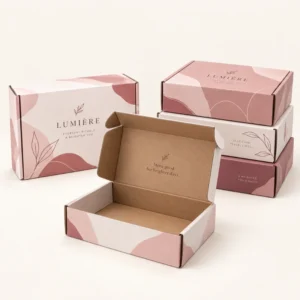
Custom Corrugated Mailer Boxes
Get a Quote -
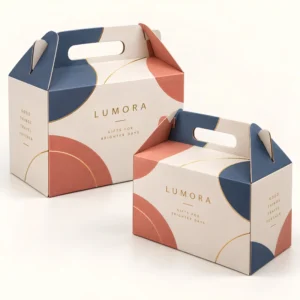
Custom Gable Boxes
Get a Quote -
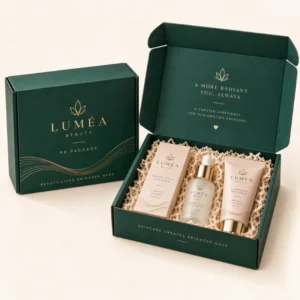
Custom Influencer Boxes
Get a Quote -
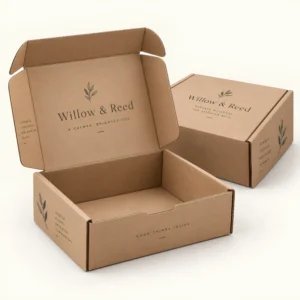
Custom Kraft Mailer Boxes
Get a Quote -
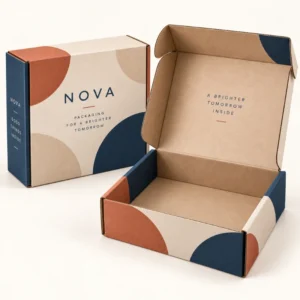
Custom Mailer Boxes UK
Get a Quote -

Custom Mailer Boxes With Inserts
Get a Quote -
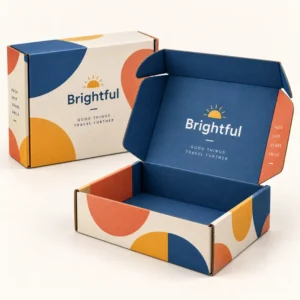
Custom Mailing Boxes
Get a Quote -
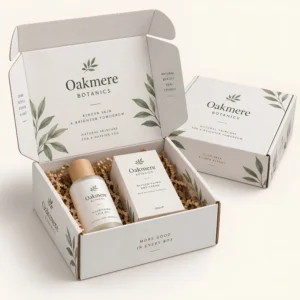
Custom Postal Boxes
Get a Quote -
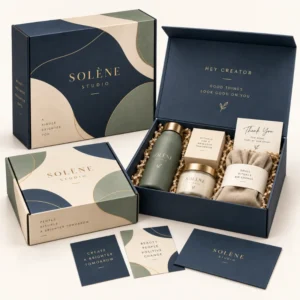
Custom Pr Boxes
Get a Quote -
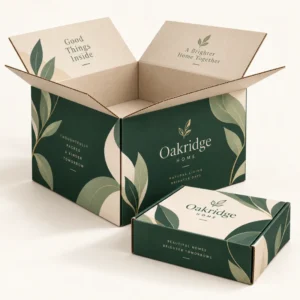
Custom Shipping Boxes
Get a Quote -
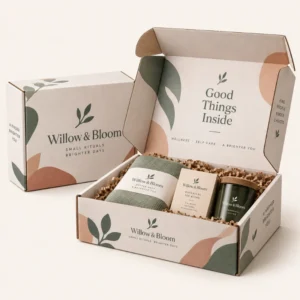
Custom Subscription Boxes
Get a Quote
Custom mailer boxes give UK ecommerce and retail brands a practical way to combine product protection, efficient packing and branded presentation in one format. The category covers mailer styles suited to online orders, subscription packs, gift sets, books, apparel, cosmetics and other products that need a structured outer box. Size, board choice, closure, print and any internal insert should be selected around the product rather than chosen separately. Personalized Mailer Boxes offers free design support, in-house manufacturing and fast, free UK delivery, helping businesses compare suitable specifications before moving ahead with production.
What defines a custom mailer box?
A mailer box is usually a die-cut folding box built to create a more contained, presentable pack than a standard slotted shipping carton. Common corrugated mailer structures use a hinged lid, rolled or reinforced side walls and a front tuck or locking section. They are normally supplied flat, then folded into shape during packing. The exact construction matters because it affects rigidity, assembly time, usable internal space and how the box opens in the customer’s hands.
That structure makes mailer boxes particularly useful when the shipping pack is also part of the product presentation. An ecommerce order, subscription delivery or launch kit can arrive in a box that already carries the brand rather than relying on a plain transit carton around a second presentation box.
However, structure should come before decoration. A visually impressive box is still the wrong box if the board, dimensions or closure do not suit the contents.
Choose the box around the product and the journey
Start with what will actually go inside. Product weight, fragility, shape and the number of items in each order all influence the specification.
A lightweight clothing order has different needs from a glass candle, a hardback book or a multi-product cosmetics set. The distribution route matters too. Packaging handled repeatedly through a parcel network may need a different level of rigidity and internal restraint from a pack used mainly for retail presentation.
Corrugated board is commonly used for mailer packaging because its fluted construction adds stiffness without turning the pack into a heavy rigid box. Board grade should still be chosen for the application. A finer flute can give a compact profile and a smoother presentation, while a heavier construction may make more sense where the contents place greater demands on the outer pack.
The correct choice depends on the finished pack, not a material name alone.
For fragile items, the outer box should not be expected to solve every protection problem. Internal cushioning, dividers or a fitted insert may be more effective than simply increasing the box size. A good specification controls movement and protects vulnerable areas without leaving excessive empty space.
Sizing affects protection, presentation and postage
Custom sizing is one of the most useful reasons to move away from stock mailers. The right starting point is the packed product, including any retail carton, wrapping, insert or protective material that will travel inside the mailer.
Measuring only the bare product can result in a box that becomes too tight once the complete packing system is added.
Oversizing creates a different problem. Extra internal volume can allow products to move, increase the amount of void fill required and make the presentation feel less considered. It can also affect the parcel format or delivery service available to the sender.
For that reason, the internal dimensions of the box should be developed alongside the way the order will be packed.
Businesses using Royal Mail or another carrier should also check the finished external dimensions and weight against the service they intend to use. The postal format is determined by the packed parcel, not by the product alone.
If several products share one packaging range, it may be more practical to develop a small family of mailer sizes than force every order into one oversized box.
Printing should work with the structure
Printing can turn a functional mailer into recognisable branded packaging, but artwork needs to respect the dieline.
Logos, small text and important graphics should not be placed carelessly across scores, folds, locking tabs or cut edges. Those areas move during conversion and assembly, so artwork that looks correct on a flat screen can behave differently on the finished box.
Outside print is the most direct option for showing a brand during delivery. Inside print can add information, colour or messaging at the opening stage without making the exterior busier.
Some projects benefit from both. Others only need a clear logo and a well-controlled colour on the lid. The better choice depends on what the packaging needs to communicate and how much visual information belongs on the box.
Surface colour also changes the result. Brown kraft creates a different visual character from a white print surface, while colour reproduction and finish can vary with the board and print process.
Artwork should therefore be reviewed against the actual material specification rather than treated as a separate design task.
When an insert is worth using
An insert is useful when it solves a clear packing problem. It can separate multiple products, stop an item moving, hold a set in a deliberate arrangement or protect a vulnerable component.
This is especially relevant for cosmetics collections, candles, accessories, promotional kits and subscription packs containing several items.
Not every mailer needs one. A well-sized box for a soft or non-fragile product may work better with a simpler interior. Adding an insert where it has no functional purpose increases material, packing steps and complexity.
The decision should be based on product movement, protection and presentation rather than the assumption that an insert always makes packaging better.
Where an insert is required, its layout should be developed at the same time as the outer box. Changing product positions later can alter the required internal dimensions and affect the complete dieline.
Mailer boxes for ecommerce, subscriptions and campaign packs
Custom mailer boxes are particularly well suited to businesses that send products directly to customers.
For ecommerce, the box can combine dispatch protection with a branded opening experience. Subscription brands benefit from a repeatable format that can be packed consistently each cycle. PR and launch campaigns may place greater emphasis on internal arrangement, printed messaging and the order in which products are revealed.
Books and printed goods often benefit from a close-fitting mailer because excess movement can expose corners and edges to damage.
Apparel and softer products generally demand less internal restraint, so the priority may shift towards efficient sizing, quick assembly and clean branding. Cosmetics, candles and mixed product sets usually need more attention to movement, orientation and separation.
Those differences are why custom mailer boxes should not be treated as one universal specification.
The useful question is not simply which mailer looks best. It is which structure suits the product, packing process and delivery route.
Think about fulfilment before approving the design
A box that looks good in a mock-up still needs to work at the packing bench.
Flat-packed storage footprint, folding sequence, closure method and the time needed to place inserts or protective material all affect day-to-day use. For regular ecommerce fulfilment, small inefficiencies become more noticeable as order volume grows.
Many tuck-front mailer styles lock into shape through their folds and tabs, but that does not automatically mean every parcel should travel without an additional seal.
The product, carrier requirements and risk of accidental opening should guide the final packing method. If tamper evidence or a faster sealing process is important, that requirement should be considered before the structure is finalised rather than added as an afterthought.
A physical sample or structural prototype, where available, can also reveal issues that are difficult to judge from artwork alone, including lid tension, product clearance and how neatly the pack closes once fully loaded.
A better way to specify custom mailer boxes
The strongest specification usually starts in this order: product, internal fit, required protection, box structure, board, print and then decorative finishing.
Reversing that sequence can lead to paying for visual details before the functional decisions are settled.
Personalized Mailer Boxes can support this process with free design support and in-house manufacturing. Share the product dimensions, how the item will be packed, the intended use and the visual direction. Suitable mailer formats can then be compared on practical grounds rather than selected from appearance alone.
For UK businesses ordering packaging for regular dispatch, product launches or new ranges, this approach keeps the focus where it belongs: a box that fits the contents, works through fulfilment and presents the brand clearly when it reaches the customer.
Browse the available mailer styles and request a quote when you are ready to develop a specification around your product.
FREQUENTLY ASKED QUESTIONS
What are custom mailer boxes?
Custom mailer boxes are folding packaging made to a chosen size, structure and print specification. Many use corrugated board with a hinged lid and tuck-front closure. They are commonly used for ecommerce, subscription and promotional orders where the outer shipping pack also needs to provide a neat branded presentation.
Are custom mailer boxes suitable for posting products?
Yes, when the structure and board are appropriate for the product and delivery route. The finished parcel still needs enough protection for its contents, and fragile items may require cushioning, dividers or inserts. Businesses should also check the packed box dimensions and weight against the requirements of their chosen carrier service.
How do I choose the right mailer box size?
Measure the product as it will actually be packed, including any retail carton, wrapping, insert or protective material. Allow enough clearance for easy packing and closure without creating unnecessary empty space. If you use a specific postal format, check the external dimensions of the finished parcel before approving the box size.
Can custom mailer boxes be printed inside and outside?
Depending on the board, structure and print specification, mailer boxes can be designed with branding on the exterior, interior or both. Exterior print works well for immediate recognition, while interior print can add instructions, colour or messaging during opening. Artwork should be prepared around folds, cuts and locking areas on the dieline.
When should I add an insert to a mailer box?
Use an insert when it has a clear job: reducing movement, separating several items, protecting a vulnerable product or controlling the presentation of a set. Soft, close-fitting products may not need one. The insert and outer box should be designed together because the insert changes the internal space required.
What is the difference between kraft and white mailer boxes?
The main visible difference is the surface. Kraft gives a natural brown appearance, while a white surface provides a brighter base for many printed colours and designs. Protection should not be judged by colour alone. Board construction, flute, thickness, box design and product fit are more important to the finished pack’s performance.
Do mailer boxes always need packing tape?
Not always for assembly. Many tuck-front mailer structures hold their shape through folds, tabs and locking sections. Shipping is a separate decision, though. Depending on the product, carrier requirements and the risk of accidental opening, an additional seal may still be sensible. The closure method should be decided as part of the packaging specification.
Ready to create mailer packaging around your product?
Discuss your dimensions, product type, packing requirements and branding with Personalized Mailer Boxes. Our free design support can help you work through the structure, sizing and artwork before production, while in-house manufacturing keeps the process under one roof. Browse our custom mailer box range or request a quote to get started.