
ecommerce packaging material
Showing the single result
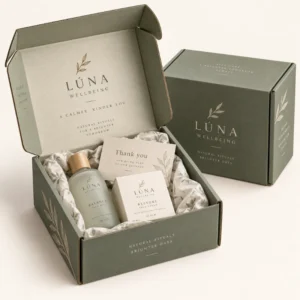
ecommerce packaging material is the board, paper and protective filling that together keep an online order safe, presentable and easy to recycle after delivery. The most common choice is corrugated board, but kraft board, white board, folding card and rigid board each suit different products, print styles and budgets. Choosing material well means matching strength to weight, print surface to artwork and end of life to customer expectations, rather than picking the cheapest or the thickest option by default.
How to choose ecommerce packaging material for an order
Begin with the product, not the box. Weight, fragility, shape and value decide how much protection is needed, while the sales channel decides how much presentation matters. A light, soft item such as folded clothing needs far less cushioning than a glass bottle, a ceramic mug or a set of skincare jars. A gift or subscription order may also need a material that looks good on opening, while a routine replenishment order may prioritise a sturdy, simple and easy to recycle pack.
Next, consider the journey. Parcels are stacked, sorted and carried, sometimes in wet weather and often alongside heavier parcels. Material must resist crushing at the corners, tearing at the closure and scuffing on the printed surface. Testing a packed sample through stacking and handling in your own warehouse gives useful evidence, even before courier handling. If a sample creases, splits or lets the product move freely, the material or the fit needs to change.
Corrugated board and flute types
Corrugated board has a fluted layer between two liner boards. That fluted layer acts as a cushion and gives the board its stacking strength, while the liners give a smooth surface for print and handling. Single wall corrugated board, with one fluted layer, suits most single online orders. Double wall corrugated board, with two fluted layers, suits heavier, fragile or stacked loads and longer transit routes.
Finer flutes for print and coarser flutes for cushioning
Finer flutes, such as E flute, give a smoother surface that prints crisply and folds neatly, which is why they are popular for mailer boxes. Coarser flutes give more cushioning and are often used for shipping boxes that carry heavier goods. The best flute is a balance: a very fine flute may not protect a heavy item, while a very coarse flute may make a small mailer look bulky and print less sharply. Ask your supplier which flute suits your product weight and artwork before finalising a specification.
Kraft board, white board and folding card
Kraft board has a natural brown appearance and a strong, uncoated feel. It suits brands that want a simple, honest look and a pack that is easy to recycle. It also works well with a single colour logo or a bold, minimal design. White board gives a bright, clean surface for detailed artwork, photography and accurate brand colours, and it suits cosmetics, food gifts and premium retail style packs. Folding card is lighter than corrugated board and suits inner packs, sleeves and retail cartons that will travel inside a stronger outer box.
When rigid board is the right material
Rigid board is thick, dense board wrapped in printed paper or cloth style paper. It gives a solid, premium feel and holds its shape beautifully, which suits jewellery, luxury candles, spirits gifts and high value presentation sets. Rigid boxes are heavier and usually take longer to produce than corrugated mailers, so they suit orders where presentation is central to the purchase. For everyday dispatch, a corrugated mailer usually offers better value and lighter parcel weight.
Protective material inside ecommerce packaging material choices
Outer material is only half the story. Inside the box, inserts, dividers, tissue and void fill stop movement, prevent scratching and present items in a planned order. Card dividers suit bottles and jars, foam or moulded pulp inserts suit fragile or shaped items, and tissue paper suits clothing, accessories and gifts where a soft layer improves the opening experience. The goal is to hold the product still without filling the box with unnecessary material that the customer must then dispose of.
Void fill should be used sparingly and for a reason. A well fitted box needs little filler, and a close fit is usually better for the product, the parcel size and the customer. If filler is needed, paper based options are often easier for customers to recycle than mixed plastic fillers. Check that any insert, tape or label does not make the whole pack hard to recycle, because customers increasingly judge the complete pack, not just the outer board.
Print surfaces and material appearance
Material affects how artwork looks. Uncoated kraft gives a warm, textured result and can soften fine detail, while coated white board gives sharper detail and brighter colours. If your artwork relies on photography, small text or precise brand colours, a white or coated surface usually reproduces it more faithfully. If your brand is built around a natural, minimal identity, kraft may express that identity more honestly than a bright white finish.
Sustainability and recycling in plain language
Many paper based materials can be recycled through household recycling, provided the pack is not heavily laminated or combined with materials that are hard to separate. Single material board packs are generally the simplest for customers to deal with after delivery. Use clear, modest wording on the box, such as stating the board type and that it can be recycled, rather than broad claims that are hard to support. Honest wording builds trust and avoids disappointing customers who check recycling guidance at home.
Ordering material that suits your products
When you request a quote, share product dimensions, weight, fragility and typical order combinations, plus examples of artwork and the impression you want on opening. That information lets a supplier recommend a material, flute and structure that fits, rather than offering a generic box. You can compare related options through ecommerce packaging manufacturers and ecommerce packaging supplies, browse the range in the shop, and read delivery details on the delivery information page. When you are ready, send your product details through the get a quote page.
Lead times after final artwork approval are also worth planning around. Standard boxes usually take 10 to 14 working days, corrugated boxes usually take 12 to 15 working days, and rigid or specialist boxes usually take 13 to 16 working days. These are production lead times, not a guaranteed delivery date, so allow extra time for proofing and artwork revisions.
Frequently asked questions about ecommerce packaging material
What is the most common ecommerce packaging material?
Corrugated board is the most common choice, because it combines strength, light weight, good print quality and wide recyclability. Kraft board, white board and rigid board suit particular brands and products.
What is the difference between single wall and double wall board?
Single wall board has one fluted layer and suits most single orders. Double wall board has two fluted layers and suits heavier, fragile or stacked loads.
Is kraft board better than white board?
Neither is better in every case. Kraft board suits a natural, minimal look, while white board suits detailed artwork, photography and precise brand colours. Choose based on product, brand and print needs.
Do I need inserts as well as a strong outer box?
Inserts help when products can move, scratch or collide inside the box. A well fitted box with a simple divider or tissue layer often protects better than a larger box filled with loose filler.
Can paper based packaging be recycled?
Many paper based boxes can be recycled through household recycling, especially single material board packs without heavy lamination or mixed materials. Check the complete pack, including inserts, tape and labels.