
biodegradable ecommerce packaging
Showing the single result
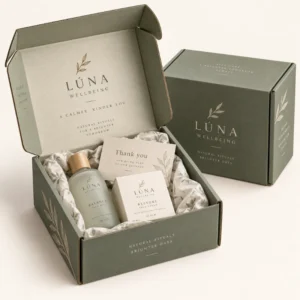
biodegradable ecommerce packaging is packaging for online orders made from materials designed to break down naturally after use, rather than persisting as waste. It includes paper based boxes, compostable mailers and plant based films that can replace conventional plastic in many everyday shipments. For online shops, it offers a way to protect products in transit while reducing the long term burden of packaging waste.
What biodegradable ecommerce packaging means in practice
The word biodegradable is often used loosely, so it helps to understand what it actually describes. A biodegradable material can be broken down by living organisms, such as bacteria and fungi, into simpler substances over time. How quickly that happens depends on the material, the environment and the conditions around it. A material that breaks down in an industrial composting facility may break down much more slowly in a home compost heap, in soil or in water, so the disposal route matters as much as the material itself.
Compostable packaging is a narrower category. It is designed to break down under specific composting conditions within a defined period, leaving no harmful residue. Home compostable materials are designed for the lower temperatures and slower pace of a home compost heap, while industrially compostable materials need the higher temperatures of a commercial facility. Recyclable packaging is different again: it is designed to be collected, sorted and remade into new material. A single order may sensibly combine all three approaches, for example a recyclable cardboard box with a compostable mailer inside.
Common materials for online orders
Paper and cardboard remain the backbone of sustainable ecommerce packaging. Corrugated board protects well, prints clearly, is widely recyclable and can be made with recycled content. Paper based void fill, tissue and tape reduce reliance on plastic cushioning, while paper mailers suit soft goods such as clothing and textiles. For products that need water resistance, coated paper or a compostable film may be used, but the coating and disposal route should be checked carefully.
Compostable films and mailers
Compostable mailers are often made from plant based blends, including materials derived from corn starch, that are designed to break down in composting conditions. They suit apparel, books, soft goods and other items that do not need rigid protection, and they offer a lightweight, water resistant alternative to conventional plastic mailers. Check whether a mailer is home compostable or industrially compostable, and print clear disposal guidance on the mailer itself so customers know what to do with it after opening.
Paper based boxes and inserts
Paper based boxes and inserts suit a wider range of products, from cosmetics and candles to homeware and electronics accessories. Die cut inserts hold items in place without plastic trays, dividers separate multi item orders, and tissue softens the unboxing experience. For printed boxes, standard production takes 10 to 14 working days after final artwork approval, and corrugated styles take 12 to 15 working days, so sustainable formats can still be planned around a launch or seasonal peak.
Biodegradable, compostable and recyclable: choosing honestly
Honest labelling is essential. Do not describe packaging as compostable unless it meets a recognised composting standard and the disposal route is available to customers. Do not describe a mixed material as fully biodegradable if only part of it breaks down, such as a compostable bag with a non compostable adhesive strip. Customers and regulators increasingly check these claims, and a clear, modest claim builds more trust than a sweeping green message.
Ask suppliers for evidence behind material claims, including the standard a material meets and the conditions it requires. Keep that evidence on file, and use the same wording on the website, on the box and in customer communications, so there is no gap between what is promised and what is delivered. If a material is recyclable rather than compostable, say so plainly and explain how to recycle it. Clarity is itself a sustainability benefit, because packaging that is disposed of correctly is far more likely to be recovered.
Choosing biodegradable ecommerce packaging for your shop
Start with the products you actually send. Soft goods need far less protection than glass, ceramics or electronics, and choosing the lightest suitable format reduces material use as well as postage weight. Map your best selling products to a small range of formats, test each packed combination for damage, and only then commit to larger quantities. A format that protects well in testing will protect well at scale, while a format chosen on appearance alone may fail in transit.
Consider the full journey, not just the material. A compostable mailer that tears in a sorting centre, or a paper box that collapses when damp, creates waste of its own in the form of damaged products and repeat shipments. Strength, water resistance, sealing and closure all matter. The most sustainable parcel is usually the one that arrives intact first time, in a right sized box with the minimum protection needed to do the job well.
Right sizing and void fill
Right sizing is one of the simplest sustainability wins in ecommerce. An oversized box uses extra board, extra void fill and extra courier space, while a right sized box protects just as well with less material. Measure packed products, including inserts and tissue, and choose the smallest box that holds them securely with a small protective margin. Fill voids firmly with paper based material so items cannot move, and avoid plastic bubble wrap where paper cushioning performs equally well.
Reducing plastic without reducing protection
Many shops can reduce plastic step by step rather than all at once. Replace plastic tape with paper tape where it seals reliably, replace plastic void fill with crumpled paper, and replace plastic mailers with paper mailers or compostable mailers for suitable products. Test each change with real orders before rolling it out, because a change that looks sustainable on paper but fails in transit will cost more in replacements than it saves in plastic.
Print, branding and customer guidance
Print on sustainable packaging should be clear, honest and useful. A short message explaining how to dispose of the packaging helps customers act correctly, for example by noting that a box is widely recyclable or that a mailer is home compostable. Use water based inks where available, keep print coverage restrained, and avoid claims that cannot be supported. A simple, confident message on the outside of the box can also reinforce the brand, without needing extra inserts or leaflets.
Customer guidance matters because disposal routes vary by area. Some customers have access to industrial composting collections, others do not, and workplace rules differ from household rules. Guidance from GOV.UK simpler recycling guidance for workplaces notes that packaging labelled compostable or biodegradable cannot be recycled with food waste, and should be treated as non recyclable waste or given a dedicated collection unless a suitable route exists. That distinction is worth explaining to business customers in particular.
Costs, quantities and practical trade offs
Sustainable packaging sometimes costs more per unit than conventional plastic, especially in small quantities, but the comparison should include damage rates, customer perception and brand value. A parcel that arrives in thoughtful, recyclable packaging can strengthen repeat business, while a parcel that arrives damaged undermines it regardless of material. Test a new format with a limited run, gather feedback from customers and packing staff, and compare damage and returns before committing fully.
Quantities also affect choice. Compostable films and printed boxes often have minimum order quantities, and storage conditions matter: compostable materials can have a shorter shelf life than conventional plastic, especially in warm or damp storage. Store them dry, cool and away from direct sunlight, rotate stock, and order in quantities that will be used within their recommended shelf life. For related formats, see ecommerce packaging and custom mailer boxes, browse browse the full packaging shop, or start a project through request a quote for sustainable packaging.
Working with suppliers and checking claims
Ask clear questions before ordering: what is the material made from, what standard does it meet, is it home compostable or industrially compostable, how should it be stored, and how should customers dispose of it. A good supplier will answer plainly and provide documentation. If answers are vague or inconsistent, treat the claim with caution and choose a format with clearer evidence. Transparency protects your shop as well as your customers.
Keeping records for your shop
Keep a simple record for each packaging format: supplier, material, standard claimed, disposal guidance given to customers, and any damage reports. That record makes it easy to answer customer questions, to update website wording, and to review formats each year. It also helps if packaging regulations change, because you can see at a glance which formats are affected and what alternatives you have already tested.
Frequently asked questions
Q1. Is biodegradable ecommerce packaging the same as compostable packaging?
No. Biodegradable is a broad term for materials that break down naturally over time, while compostable is narrower and means a material breaks down under specific composting conditions within a defined period. Always check whether a product is home compostable, industrially compostable or simply biodegradable.
Q2. Can compostable mailers be put in food waste recycling?
Not usually. GOV.UK guidance for workplaces in England notes that packaging labelled compostable or biodegradable cannot be recycled with food waste, and should be treated as non recyclable waste or given a dedicated collection. Household rules vary, so check local guidance and print clear disposal notes on the mailer.
Q3. Is paper packaging always more sustainable than plastic?
Not always. Paper is widely recyclable and renewable, but the most sustainable choice depends on product protection, transport weight, reuse and disposal route. A right sized paper box that arrives intact is usually better than a plastic parcel that fails, and vice versa.
Q4. How should compostable packaging be stored?
Store it dry, cool and away from direct sunlight, and use stock within its recommended shelf life. Warm or damp storage can weaken compostable films before use, so order quantities that match your actual sending volume.
Q5. Can biodegradable ecommerce packaging be custom printed?
Yes. Paper based boxes and many compostable mailers can carry a logo and disposal guidance. Standard production takes 10 to 14 working days after final artwork approval, and corrugated styles take 12 to 15 working days.