
shipping boxes for ecommerce
Showing the single result
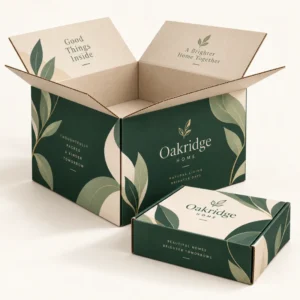
Shipping boxes for ecommerce are the boxes online sellers use to send orders safely, quickly, and in a way that reflects their brand when the parcel is opened. They need to cope with courier handling, pack fast in a busy dispatch area, and fit the product without wasted space. A good ecommerce box protects the order, keeps packing simple, and makes the delivery feel considered.
What shipping boxes for ecommerce need to do well
An ecommerce parcel is handled many times between dispatch and delivery, so the box must close securely, stack safely, and survive contact with other parcels. At the same time, the customer judges the seller by the parcel that arrives, so a crushed box, a loose product, or a messy interior can undo good work elsewhere. The best ecommerce boxes balance those two demands: strong enough for transit, tidy enough for the customer.
Packing speed matters as well. In a small dispatch area, a box that folds quickly, takes tape cleanly, and accepts an insert without a struggle will save time on every order. That time saving grows as order numbers rise, and it reduces packing errors, such as a flap that is not fully closed or a label placed over a fold.
Choosing a style for online orders
A mailer style box with a folding lid gives a neat finish and is easy to open, which suits customer facing orders, gift sets, and subscription deliveries. A regular slotted carton seals quickly and suits heavier or larger orders, multi item parcels, and business shipments. For light clothing and accessories, a shallow mailer often works well, while a deeper carton suits boxed goods, sets, and items that need more cushioning.
Think about how the product sits inside the box. A fitted insert, a divider, or a corrugated pad can hold an item in place and protect it from movement, which is more reliable than filling a large box with loose material. For fragile goods, a shaped insert that keeps the product away from the walls is especially useful.
Board strength for courier transit
Single wall corrugated board suits many light to medium ecommerce orders, including apparel, books, cosmetics, and small household goods. Double wall board suits heavier orders, larger parcels, and boxes that will be stacked under other parcels in a warehouse or a vehicle. Match the board to the packed weight and to the fragility of the item, not only to the size of the box.
Fulfilment, storage, and repeat orders
Ecommerce sellers often pack the same products again and again, so consistency helps. A small range of well chosen box sizes, kept in stock and stored flat, makes packing predictable and makes it easier to train new packers. Label the sizes clearly in the packing area, and keep the most used size closest to the packing bench.
Repeat orders also benefit from a recorded specification. Note the box size, board grade, insert, and closure method for each product, so a reorder matches the box that customers already know. If a product changes size, weight, or packaging, update that record before the next run, because a small change can affect fit and protection.
Planning for busy periods
Busy periods, such as seasonal peaks and promotions, put pressure on packing and on stock. Keep buffer stock of your most used ecommerce sizes, and check lead times before a peak, not during it. For standard boxes, allow 10 to 14 working days after final artwork approval, and for corrugated boxes allow 12 to 15 working days. These are production lead times, not a guaranteed delivery date, so plan around them.
Shipping boxes for ecommerce branding and returns
Branding on an ecommerce box can be simple and still effective. A logo on the main panels, a brand colour that is easy to recognise, and a short message inside the lid can make a delivery feel personal without slowing down packing. Keep the delivery label area clear, and keep print away from folds and taped seams so it stays readable after handling.
Returns are part of ecommerce, especially for clothing and footwear, so consider how a customer will send an item back. A box that can be resealed neatly, with a clear returns note inside, makes that process easier and reduces damage on the return journey. Discuss return friendly features when you request a quote, and test the reseal method with a real packed parcel before committing to a large run.
Reducing damage, waste, and customer queries
Damage often comes from movement inside the box, a weak base, or a lid that bulges because the box is overfilled. A snug fit, a well sealed base, and a flat top reduce all three risks. Clear packing guidance for the team, such as which insert goes with which product, also reduces variation between packers and between busy and quiet days.
Waste can be reduced by choosing a box that fits, rather than a box that needs a large amount of filler to stop movement. Corrugated board is widely recyclable, and a tidy, recyclable parcel is also easier for the customer to dispose of after delivery. Keep the interior simple: the product, its protection, and any note the customer actually needs.
Sustainability notes for online sellers
Using a right sized box, recyclable board, and minimal filler is a practical sustainability step that also helps with packing and transit. If your business places packaging on the UK market, check whether producer responsibility rules apply to you, and keep records of the packaging you use. The GOV.UK guidance on extended producer responsibility for packaging explains who may have obligations and what those obligations involve.
Ordering shipping boxes for ecommerce from Personalized Mailer Boxes
Share your bestselling products, their packed sizes and weights, your usual order mix, and any branding you want, then request a quote for boxes built around your store. You can explore related shipping boxes custom and shipping boxes custom size options, browse the range in the shop, and read the GOV.UK guidance on packaging producer responsibility if it is relevant to your business. When you are ready, send your brief through the get a quote page.
Frequently asked questions about shipping boxes for ecommerce
What size box should I use for ecommerce orders?
Use the smallest box that fits the packed product with a small allowance for protection and easy packing. A snug fit reduces movement, filler, and damage, and it stacks more safely.
Are mailer boxes or slotted cartons better for online orders?
Mailer boxes suit customer facing orders and give a tidy opening experience. Slotted cartons seal quickly and suit heavier, larger, or multi item parcels. The product and the order mix should decide the style.
Can ecommerce shipping boxes be branded?
Yes, a logo, brand colour, and a short inside message can be printed on a shipping box. Keep the delivery label area clear and keep print away from folds and taped seams.
How can I make returns easier for customers?
Choose a box that can be resealed neatly and include a clear returns note inside. Test the reseal method with a real packed parcel before a large run.
How long do ecommerce shipping boxes take after artwork approval?
Standard boxes usually take 10 to 14 working days after final artwork approval, and corrugated boxes usually take 12 to 15 working days. These are production lead times, not a guaranteed delivery date.