
cheap custom boxes for shipping
Showing the single result
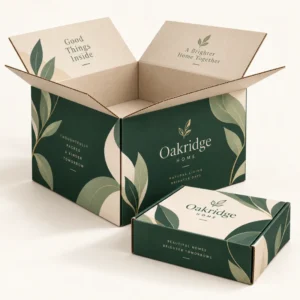
cheap custom boxes for shipping are printed shipping cartons chosen to give a brand presence without adding unnecessary cost to every order. They work best when size, board and print are matched to the product and the journey, rather than chosen for effect alone. A well specified custom shipping box protects goods, looks professional and keeps packing simple, which is where real value comes from.
cheap custom boxes for shipping and where value comes from
Value in custom shipping boxes is not only about the box itself. It comes from fewer damages, faster packing, a clearer brand impression and a parcel that fits its carrier format. A box that is too large wastes board and void fill, and it can push a parcel into a larger size band. A box that is too weak leads to damage and replacements. A box with print that is hard to read or that covers the label area creates handling problems. Getting those basics right usually saves more than choosing the cheapest board available.
Start by defining the job the box must do. Is it for customer facing online orders, for trade shipments, for a subscription service or for internal transfers. Each use has a different balance between presentation and durability. A customer facing box benefits from a clean outer print and a neat opening. A trade box benefits from strength, stacking and a clear label area. A subscription box benefits from consistency across months, so customers recognise the delivery and packing staff can work quickly.
Size first, print second
Size is the most powerful value lever, because it affects board use, void fill, parcel format and storage. Measure products with wrapping included and group them into one, two or three size bands where possible. A single size that fits most orders, plus a second size for larger or multi item orders, often covers a whole range. Avoid a custom size for every product unless the product truly needs it, because each new size adds setup and stock complexity.
Once size is settled, choose board by weight and fragility. Single wall board suits most light to medium online orders. Double wall board suits heavier, fragile or stacked parcels. A stronger board than needed adds material and weight without improving protection if the box is oversized. A weaker board than needed risks damage. Test a packed sample, including a stacking check, before committing to a printed run.
Print choices that control cost
Print is where many custom shipping projects overspend. A one colour logo on kraft board often gives a strong, clear brand impression for everyday shipping. A simple pattern or a short message can add character without full colour artwork on every face. Full colour print suits a brand, a launch or a premium range where the outer box is seen by the end customer. Inside print can be reserved for a subscription or gift range, where the opening is part of the experience.
Keep artwork simple and print ready. Vector logos, clear text and a layout that respects creases and the label panel reduce proofing rounds. Avoid tiny text that becomes unreadable on corrugated board, and avoid a busy background behind the label. A clean design usually prints better, packs faster and looks more professional than a complex design squeezed onto a shipping carton.
Quantity, artwork and ordering wisely
Quantity affects value because setup and tooling are spread across the run. A larger run can lower the unit cost, but it also needs storage space and confidence that the design will not change soon. A smaller run gives flexibility for a launch, a seasonal design or a product change, even if the unit cost is higher. The right quantity balances expected sales, storage, cash flow and the chance of a rebrand or size change.
For a first custom shipping box, consider a standard structure with your print, rather than a fully bespoke structure. Standard cartons are proven, pack quickly and usually need less testing. A bespoke structure is worth it when a product has an unusual shape, needs a special insert or must open in a particular way. Starting standard and learning from real orders often leads to a better bespoke design later, if one is needed at all.
What to include in a quote request
A clear quote request leads to a useful comparison. Include product dimensions with wrapping, expected quantity, board strength, print colours and faces, and any finishes you want. State the sales route and carrier format if you know it, and state whether the box must reseal for returns. If artwork is ready, share it in a print ready form. If it is not ready, share a logo and describe the look you want, so print and board can be discussed together.
Ask about proofing and lead time at the same stage. After final artwork approval, corrugated lead time is 12 to 15 working days, and standard lead time is 10 to 14 working days. Treat those figures as planning guidance, not a guaranteed delivery date. Allow time for a proof check and a packed sample, because a correction at proof stage is far simpler than a correction after a full run.
Avoiding common waste
Common waste in custom shipping boxes includes oversized boxes, excessive void fill, print on faces that are never seen, and a design that changes before the stock is used. Each can be reduced by right sizing, by testing a packed sample, by printing only where it adds value and by ordering a quantity that matches realistic sales. A short packing guide at the bench also helps, because consistent packing protects goods and presents the brand well even at busy times.
Sustainability and the customer experience
Right sized custom shipping boxes support sustainability as well as value. Less board, less void fill and less transport volume all follow from a close fit. Cardboard shipping boxes are widely recyclable, and a single material box is easier for the customer to recycle than a box with mixed materials. Clear recycling guidance on the pack, where appropriate, helps the customer dispose of it correctly.
Businesses that place packaging on the UK market should also be aware of extended producer responsibility duties, which may apply depending on size and role. See the GOV.UK packaging responsibility guidance for current guidance. That check is part of planning a custom shipping range, not an afterthought, because packaging choices and reporting can interact.
When cheap becomes expensive
A custom shipping box becomes expensive when it causes damage, delays or rework. A weak board, a poor closure, a label area that is hard to scan or a size that forces extra void fill all add cost downstream. A slightly stronger board, a cleaner label panel or a better fitting size can be the better value choice, even if the box itself is not the lowest cost option on paper. Judge value by the delivered order, not by the box alone.
Starting small and scaling well
Start with one well chosen size and a simple print, test it with real orders and gather feedback from packing staff and customers. Note damage rates, packing time and any label or scanning issues. Use that evidence to decide whether to add a second size, change board, simplify print or keep the specification as it is. Scaling a proven box is safer and usually better value than scaling an untested design.
For standard carton sizes, browse cardboard shipping boxes, and for a customer facing mailer see cheap custom mailer boxes. Start the discussion through the request a quote page.
Frequently asked questions
How can I keep custom shipping boxes affordable
Right size the box, choose board by weight and fragility, keep print simple for everyday orders and order a quantity that matches realistic sales. Test a packed sample before a large run, because avoiding damage and rework is often the biggest saving.
Is one colour print enough for a shipping box
Often yes. A clear one colour logo on kraft or white board looks professional and is easy to recognise. Full colour print is better suited to a launch, a premium range or a box where the outer design is a key part of the product experience.
Should I order a large quantity to get better value
Only if storage, cash flow and design stability allow it. A larger run can lower unit cost, but unused stock from a design change or a size change wipes out that saving. Start with a realistic quantity, then reorder a proven design.
What information do I need for a custom shipping box quote
Product dimensions with wrapping, quantity, board strength, print colours and faces, finishes, sales route and artwork or a draft design. That information lets a specification be compared fairly and reduces proofing rounds.
Can a custom shipping box be recyclable
Yes, cardboard shipping boxes are widely recyclable in the UK. A right sized, single material box with minimal non paper additions is easiest to recycle. Check local recycling guidance for tape and labels, and reuse a sound box where practical.