
custom shipping packaging
Showing the single result
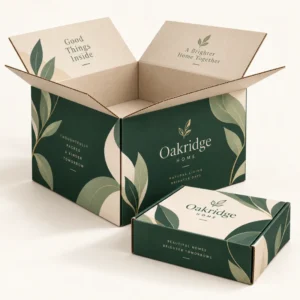
custom shipping packaging is packaging designed around your product, your brand and the journey it will make through the post and courier networks. It replaces a generic box that is too large, too weak or too plain with a box, mailer or shipper that fits well, protects the contents and presents your business clearly from the moment it arrives. When the size, board and print are chosen together, fewer items are damaged, packing is faster and the unboxing feels deliberate rather than accidental.
What is custom shipping packaging
At its simplest, this is any shipping container that has been specified for a particular seller rather than bought in a standard size with no print. That specification can cover length, width and depth, the type of board, the way the box folds and closes, the print on the outside and inside, and any insert that holds the product still. A candle seller, a skincare brand and a seller of spare parts may all post parcels, but they need very different protection, presentation and handling, so a single stock box rarely serves all three well.
Good shipping packaging does three jobs at once. It must survive handling, stacking and drops without collapsing or splitting. It must keep the product clean, dry and still inside the box. And it must carry the brand in a way that a customer recognises and trusts. If any one of those jobs is weak, the other two cannot compensate for it. A beautiful box that crushes in transit creates a return. A strong box that looks anonymous misses a chance to build loyalty.
Buyers often start with the product itself. What does it weigh, how fragile is it, does it have sharp edges, corners or a lid that could open, and will it travel alone or with other items? Those answers guide the board grade, the closure and the amount of cushioning needed. From there, print and finish can be added in a way that suits the budget and the order volume, rather than forcing the product into a design that was made for something else.
Types of box used for shipping
Corrugated boxes are the workhorse for most online orders because the fluted layer between two liners gives strength without adding much weight. A regular shipping carton with taped flaps suits heavier or multi item orders, while a mailer with a folding lid suits single products and subscription parcels where presentation matters. Rigid boxes suit premium gifts and high value goods, although they are heavier and are usually placed inside an outer shipper for posting.
Postal boxes with a shallow depth suit books, folded clothing, stationery sets and flat gift sets. Deeper cartons suit shoes, ceramics with protective inserts, hampers and bundled orders. The right choice is rarely the largest box available. It is the smallest box that still leaves room for protection and allows the lid or flaps to close without force.
Choosing between a mailer and a shipper
A mailer is usually the box the customer sees and opens, so print, colour and a clean closure matter a great deal. A shipper is usually an outer carton that protects a branded inner box, a set of items or a bulk order, so strength and stackability matter more than surface finish. Some sellers use one box for both jobs, which can work well for robust products. Others use a plain outer shipper to protect a printed mailer inside, which keeps the unboxing clean even after a long journey. You can explore related options in custom size mailer boxes and custom size shipping boxes when you are deciding which structure fits your order profile.
Materials and board grades
Kraft board gives a natural, recyclable look that suits many independent brands and works well with simple one colour or full colour print. White board gives a brighter surface for detailed artwork and photography led designs. Corrugated board is available in different flute profiles, with finer flutes giving a smoother print surface and a neater fold, and coarser flutes giving greater cushioning and crush resistance for heavier goods.
Recycled content and recyclability are practical considerations, not just marketing claims. Ask what the board is made from, whether the finished box can be recycled through normal household recycling in the UK, and whether coatings, laminates or tapes will affect that. A box that is easy to recycle is also easier for a customer to dispose of, which matters when the same customer may order again.
Protection inside the box
Inserts, dividers, tissue, paper void fill and foam pads all stop movement, and movement is what causes most transit damage. A fitted card insert that holds a jar in place will usually protect better than loose filler around the same jar. For fragile items, a divider that separates bottles or ceramics prevents them from knocking together. For clothing, a neat fold with tissue can prevent creasing and give a premium feel without adding much weight. The insert should be planned with the box size, not added as an afterthought, because an insert that is too tight can crush a product and an insert that is too loose will not hold it.
How custom shipping packaging helps a brand
Print turns a delivery into a brand moment. A logo on the outside helps a customer spot the parcel and feel confident about opening it. A message, pattern or illustration on the inside turns the opening into a small experience, which is especially valuable for gifts, subscription boxes and first orders. Consistent colour and type across the box, insert and any card inside makes the whole parcel feel considered, even when the budget only allows print on the outside at first.
Print also has a practical role. Clear handling marks, a returns message or a simple instruction such as this way up can reduce damage and returns. A printed label area that stays flat and free from folds helps barcodes scan first time. If the box will be stored flat before use, print should survive folding and unfolding without cracking along score lines, so artwork placement and finish need to be checked on a proof.
Finishes that suit shipping
Matte lamination gives a soft, understated feel and reduces glare in photographs. Gloss lamination gives stronger colour impact and some resistance to scuffs. Foil and embossing can lift a logo on a premium mailer, but they should be used where they will not be rubbed away by handling or hidden by a shipping label. Spot UV can highlight a single detail without coating the whole box, which keeps the natural feel of kraft board while adding a focal point.
Print placement to check before approval
Check where the shipping label will sit and keep key artwork away from that area. Check how the design looks when the box is folded, not just when it is flat, because a pattern that looks balanced on a flat sheet can break awkwardly across a fold. Check inside print for legibility when the box is open and the product is still inside, because a message hidden under the product will not be seen. A careful proof at this stage prevents a full run of boxes with a design flaw that only appears after assembly.
Ordering custom shipping packaging in the UK
Start with accurate measurements of the product as it will be packed, including any insert, tissue or protective wrap. Note the weight of the finished parcel, because weight and outer size together determine which postal and courier formats are available. If you post through Royal Mail, the Royal Mail size and weight guide is a useful reference for letter, large letter, small parcel and medium parcel limits. Keep in mind that those limits apply to the finished packed parcel, not to the empty box alone.
Standard lead times after final artwork approval are 10 to 14 working days, corrugated 12 to 15 working days, and rigid or specialist 13 to 16 working days. Those are production lead times, not a guaranteed delivery date, and they start only once artwork is approved. Allow time for proofing, especially for a first order or a new structure, and plan reorders so that stock does not run out while a new batch is in production.
When you are ready, you can request a tailored quote with your product size, quantity, board preference and artwork idea. You can also browse the full shop range for inspiration, and read delivery information for more detail on timings. The Personalized Mailer Boxes home page gives an overview of the range, and learn more about the team if you want to know who will handle your order.
What to include in a quote request
A clear quote request saves time and avoids revisions. Include the internal size you need, the product and its weight, the number of boxes, whether you need print inside, outside or both, and any insert or finish you have in mind. If you have artwork, share it in a print ready format if possible. If you do not have artwork yet, describe your logo, colours and the message you want the box to carry, and ask what support is available for design and proofing.
Common mistakes to avoid
The most common mistake is ordering a box that is much larger than the product, which increases filler, postage volume and the chance of movement. The second is ordering a board that is too light for the weight or stacking it will face. The third is placing important print where a label, tape or fold will cover it. A short test pack with a sample box, the real product and the intended filler will reveal all three problems before a full order is placed.
Frequently asked questions about custom shipping packaging
What does custom shipping packaging include?
It includes the box or mailer, the board and structure, the print and finish, and any insert or protective element that is specified for your product. It can be a single printed mailer for online orders or a full system with an outer shipper, an inner branded box and fitted inserts.
How do I choose the right board for shipping?
Match the board to weight, fragility and handling. Finer corrugated flutes suit lighter, presentation led parcels, while stronger corrugated grades suit heavier or stacked orders. Rigid board suits premium presentation but is usually best inside an outer shipper for posting.
Can I print on the inside of a shipping box?
Yes, inside print is a popular choice for mailers and subscription boxes. It works best for a short message, a pattern or a simple illustration that is visible as soon as the lid is lifted. Keep inside artwork clear of folds and away from areas that will be covered by the product.
How long does production take after artwork approval?
Standard production is 10 to 14 working days after final artwork approval, corrugated is 12 to 15 working days, and rigid or specialist is 13 to 16 working days. These are production lead times, not a guaranteed delivery date, so allow extra time for proofing and delivery planning.
What size information should I send for a quote?
Send the length, width and depth of the product as packed, including any insert or wrap, plus the finished parcel weight if you know it. Note whether items will travel alone or together, and whether the box must fit a particular postal format, so the size can be checked against that format before production.