
double wall shipping boxes
Showing the single result
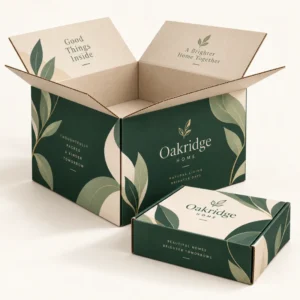
Double wall shipping boxes are corrugated cardboard boxes made with two layers of fluted board, which gives them far greater strength and crush resistance than a standard single wall box. They are a practical choice for heavy parcels, fragile goods, stacked storage and longer journeys where a box may be handled several times. When a parcel needs to survive courier sorting, vehicle vibration and stacking without collapsing, double wall shipping boxes provide a clear safety margin.
Why double wall shipping boxes are stronger
A corrugated board is made from liner sheets with a wavy fluted layer between them. In a double wall box, that structure is repeated, so two fluted layers sit between three liner sheets. The result is a thicker, stiffer wall that resists punctures, absorbs knocks and holds its shape under weight from above. That stiffness matters most at the edges and corners, which take the brunt of handling, and across the top face when other parcels are stacked on it.
Strength is not only about surviving a single drop. Repeated handling, changes in temperature and humidity, and pressure from strapping or pallet wrapping all test a box over time. A double wall box is less likely to bow, bulge or crush in those conditions, which protects the contents and keeps the parcel looking professional on arrival. For businesses, fewer damaged parcels means fewer replacements, fewer returns and less time spent dealing with complaints.
Single wall compared with double wall
Single wall boxes suit light, compact items that are not fragile and will not be stacked under heavy loads. Books in a snug mailer, clothing in a light parcel and small accessories in a padded outer box are typical examples. Double wall boxes suit heavier items, fragile items, items with sharp edges or protruding parts, and any parcel that will travel a long distance or sit in storage under other boxes. If you are unsure, test pack one parcel, seal it, and check whether the walls flex easily when you press the sides and top.
Signs you need the stronger option
Choose double wall construction if the parcel weighs enough to make a single wall box feel soft at the sides, if the contents could break, dent or scratch, or if the box will be stacked on a pallet. Also choose it if the parcel has an awkward shape, if it contains several smaller items that could shift, or if it will be returned and reused. The extra board adds a small amount of weight and bulk, but that cost is usually small compared with the cost of a damaged shipment.
Common uses across UK businesses
Online retailers use double wall boxes for electronics, homeware, automotive parts, tools, ceramics and bottled goods. Manufacturers use them for components, spare parts and assembled products that need to travel between sites. Removal and storage customers use them for books, files, kitchenware and other dense household items that quickly make a light box overweight. Exporters value them because a parcel may pass through several depots and vehicles before it reaches its destination.
Household moves are another common use. A box full of books or crockery becomes heavy very quickly, and a double wall box handles that load with less risk of the base giving way. For storage, the stacking strength helps keep a neat, stable pile in a garage, warehouse or storage unit, provided the heaviest boxes sit at the bottom and the stack does not lean.
Choosing the right size and grade
Start with the internal dimensions, which are the length, width and depth available inside the box once it is assembled. Measure your product at its longest, widest and tallest points, then add room for protective packaging such as bubble wrap, paper void fill or foam corners. A box that is too tight can crush the product or split at the seams, while a box that is too large allows movement and wastes void fill. Aim for a snug fit with just enough cushioning to stop the contents shifting.
Flute, board grade and print options
Different flute combinations give different balances of strength, cushioning and print surface. A finer flute can give a smoother outer surface for printing, while a coarser flute can give more cushioning. Your supplier can advise on the grade that matches your product weight and journey, rather than simply picking the thickest board available. Printed double wall shipping boxes can carry a logo, handling instructions, a return address panel or a simple brand colour, which helps a parcel look intentional and makes handling instructions easier to spot.
Sealing and reinforcing a heavy parcel
Use a strong packing tape and apply it along the centre seam and across the ends in an H pattern for heavier parcels. Check that the flaps meet neatly without a gap, and reinforce the base if the contents are dense. For very heavy or valuable parcels, consider edge protectors, a second layer of tape or strapping, and a clear label that shows which way up the parcel should be kept. A well sealed box also resists dust and moisture during storage and transit.
Packing, labelling and ordering
Pack heavier items at the bottom, surround fragile items on all sides, and fill empty space so nothing can move when the box is tilted. Wrap items individually if they could scratch each other, and keep liquids in a sealed inner bag where possible. Label the parcel clearly, keep the address away from seams and tape, and add a fragile or this way up marking only where it genuinely applies, so handlers take it seriously.
Corrugated boxes are typically supplied flat packed, which saves storage space and makes them easy to keep in a range of sizes. After final artwork approval, corrugated boxes typically take 12 to 15 working days for custom orders, so order ahead for seasonal peaks. You can browse standard options in the shop for printed packaging, ask for tailored sizes through the get a quote page for custom boxes, and check practical details on the delivery information page.
Frequently asked questions
What is the difference between single wall and double wall shipping boxes?
Single wall boxes have one fluted layer, while double wall boxes have two fluted layers between three liner sheets. The double wall version is thicker, stiffer and better at resisting crushing, punctures and stacking pressure.
How heavy a parcel can double wall shipping boxes carry?
The safe load depends on the board grade, box size and how the parcel is packed and sealed. As a guide, choose double wall for medium to heavy parcels and ask your supplier to confirm the grade for your heaviest regular item.
Are double wall shipping boxes recyclable?
Yes, corrugated cardboard boxes are widely recyclable in the UK through household and commercial recycling, provided they are clean and dry. Remove tape and labels where practical, flatten the box, and follow your local recycling guidance.
Do I need double wall boxes for every parcel?
No, light and non fragile items often travel perfectly well in a single wall box or mailer. Use double wall where weight, fragility, stacking or a long journey creates extra risk, and keep lighter packaging for lighter parcels.