
Description
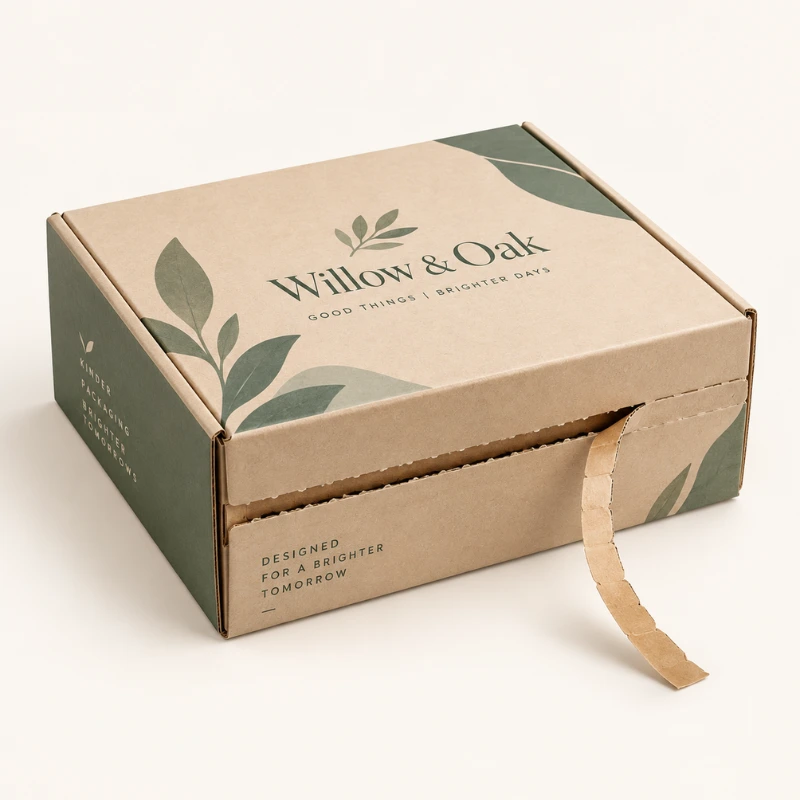
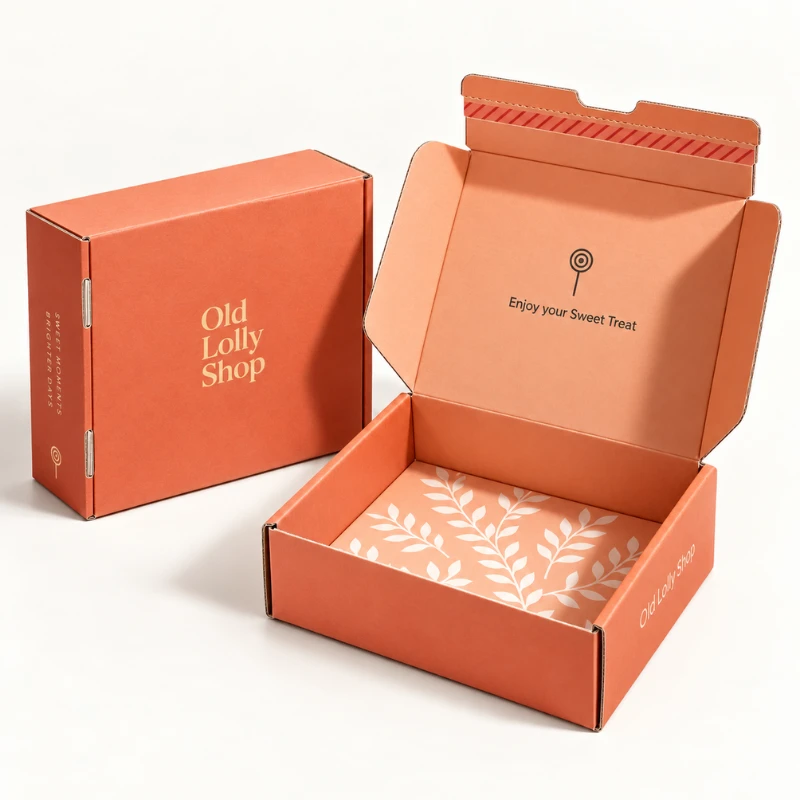
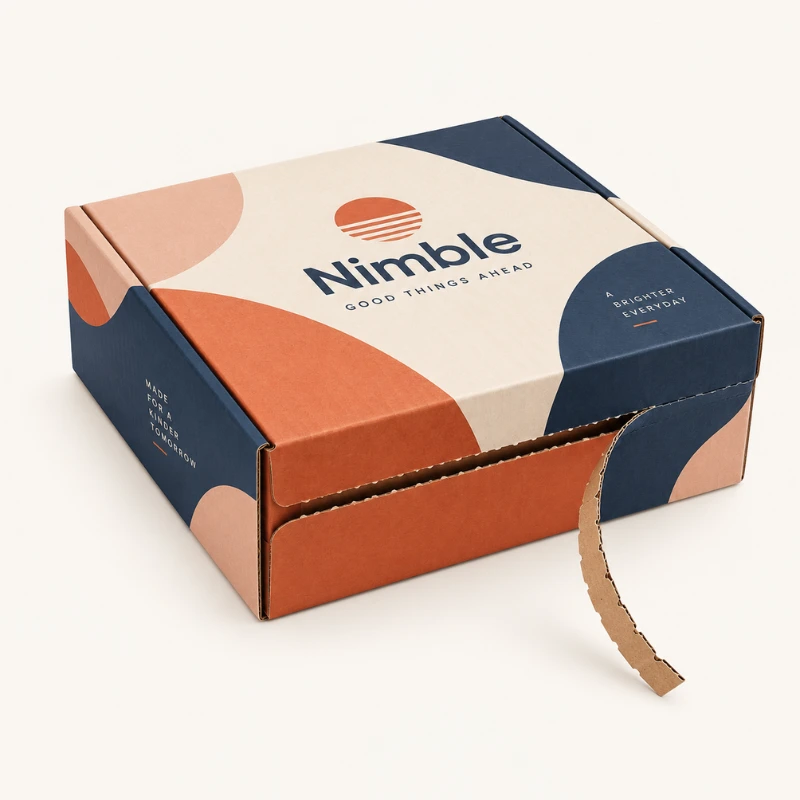
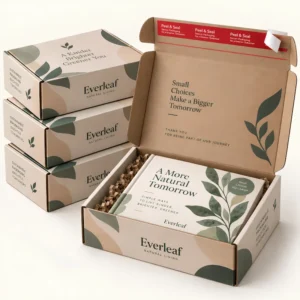
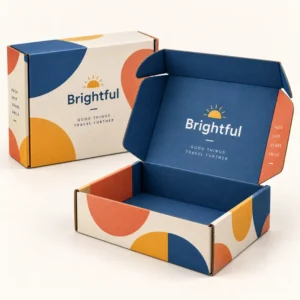
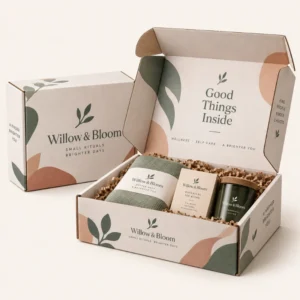
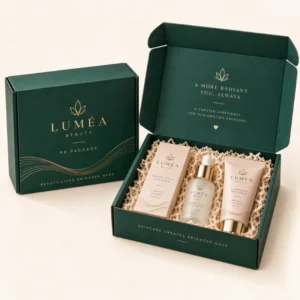
Self Seal Mailer Boxes are corrugated postal boxes with an integrated adhesive closure that lets packers seal an order without adding separate packing tape. They suit ecommerce, retail and subscription fulfilment where speed, a tidy presentation and repeatable packing matter. The box size, board, print and closure can be specified around the product and dispatch process.
Why the Self-Seal Closure Changes the Packing Process
A self-seal mailer adds an adhesive strip to the closure. The packer loads the order, removes the release liner and presses the closing panel into position. This can reduce reliance on a separate tape dispenser and create a consistent sealing step for repeat fulfilment. The adhesive feature still does not replace correct sizing.
Useful specification points include:
- Adhesive closure: the self-seal strip should sit where the closing panel can make reliable contact with the mating surface.
- Internal dimensions: the box still needs enough room for the packed product, protective materials and any insert.
- Opening method: an easy-open feature may be considered where the final structure supports it, although it should not be assumed on every self-seal design.
- Return requirement: some ecommerce specifications may use an additional sealing strip for returns, but that needs to be agreed as part of the structure.
- Print layout: artwork should avoid the adhesive area, folds and any opening feature that could interrupt important graphics.
Building Self Seal Mailer Boxes Around the Contents
Corrugated board is commonly used for mailer-style ecommerce packaging because its fluted construction gives the box useful rigidity while keeping the structure relatively light. The exact board choice should depend on the packed item rather than a generic grade.
A small clothing order places different demands on the box from a dense collection of bottled products. Product weight, dimensions, fragility and internal movement all influence the specification. Therefore, the self-seal strip should be treated as one part of the pack, not as the feature that determines whether the box is suitable.
Mailer structures vary, so the right format should match the product, packing sequence and dispatch method.
For buyers comparing Custom Mailer Boxes, self-seal formats are particularly relevant where the closure step is a priority. A conventional mailer may suit a presentation-led order perfectly well, while a self-seal version can make more sense for repeat fulfilment where packers want a simple adhesive closure.
Measure the Product Before Choosing the Box Depth
The most useful dimensions are the dimensions of the product as it will actually be packed. Include inner retail cartons, sleeves, tissue, cushioning, dividers or inserts that remain inside the mailer.
Too much space can allow products to move during normal handling and may increase the amount of internal packing required. Too little space can make loading slow or put pressure on the contents. A practical internal fit sits between those extremes.
If several products share one size, check the most common combinations rather than using only the largest order as the reference.
The outside dimensions also matter. Businesses using Royal Mail should compare the finished packed parcel against current Royal Mail size and weight limits before approving a size. Carrier limits apply to the completed parcel, not simply the empty box.
Where the Adhesive Strip Should Fit Into the Design
Branding and customer messages should not interfere with the adhesive strip or the surface it bonds to. Artwork should therefore follow the dieline and account for folds, labels and opening instructions.
Suitable print choices depend on the board surface, quantity, colour requirements and amount of coverage. Instead of choosing a print process by name first, decide what the customer needs to see and where it needs to appear.
Free design support can help with print areas, panel positioning and artwork preparation. This is particularly useful on self-seal packaging because the closure area, opening route and visible lid panels need to work together.
Self-Seal Packaging for Ecommerce Fulfilment
The strongest use case for Self Seal Mailer Boxes is repeat dispatch. An integrated closure can simplify the final stage of packing because the sealing method is already part of the box.
That can suit:
- Clothing and accessories: lightweight or moderately sized orders that benefit from a branded outer mailer.
- Subscription products: repeat orders where a consistent closing process and branded presentation are useful.
- Beauty and grooming items: boxed products that can be arranged securely, with added internal support where needed.
- Books, stationery and printed goods: relatively regular shapes that can be sized closely inside a mailer.
- Small ecommerce products: orders where the box needs to combine shipping function with customer-facing branding.
Heavy, fragile or unusually shaped goods may need extra protection or a different outer structure.
Board, Inserts and Internal Packing Still Matter
The self-seal closure only controls the lid. It does not stop a poorly fitted product moving inside the box.
If the contents need separation, an insert or divider may be worth considering. However, internal components take up usable space, so the outer dimensions should be planned with them in place.
This is where broader Packaging Materials decisions become important. Tissue, paper fill, inserts and protective components can change the required internal volume. They can also affect how quickly staff can load the order.
Corrugated Boxes may be a better route where the product needs a different shipping structure, more depth or another closing method. The aim is not to force every ecommerce order into the same mailer format.
In-House Manufacturing and Custom Specification
Personalized Mailer Boxes manufactures custom packaging in-house for UK businesses. For Self Seal Mailer Boxes, that allows the discussion to cover the dimensions, structure, board, adhesive closure and printed areas as one specification.
The artwork also needs to reflect the finished structure. Free design support can help prepare branding around the panels and closure areas before production. Once the specification and order details are agreed, fast and free UK delivery is available.
What to Provide for a Self-Seal Mailer Quote
A clear brief makes the structural discussion more useful.
- Describe the products. Explain what goes into each box and how many items are normally packed together.
- Provide packed dimensions. Include any retail packaging or protective material that remains inside.
- State the quantity. Confirm the number of mailers required.
- Explain product weight and fragility. These details help guide the board and internal-support discussion.
- Confirm the closure requirement. State that you need a self-seal adhesive closure and mention any return-seal requirement.
- Describe the print. Explain which panels need branding and whether internal print matters.
- Send artwork if available. If it is not ready, use the available design support to discuss layout.
- Review the specification. Check dimensions, board, closure and print details before approval.
Frequently Asked Questions
How do Self Seal Mailer Boxes close?
They use an adhesive strip integrated into the box closure. During packing, the release liner is removed and the closing panel is pressed into position. The exact adhesive arrangement depends on the chosen structure, so the final specification should confirm the closure rather than assuming every self-seal box is identical.
Do self-seal mailers need packing tape?
The integrated adhesive closure is intended to seal the box without adding tape across that closing panel. However, the complete packing method still depends on the structure, product and carrier requirements. If your dispatch process needs additional security or labelling, include that when the packaging is specified.
Can a self-seal box include an easy-open strip?
It may be possible to combine the self-seal closure with an easy-open feature where the chosen structure supports it. Because Personalized Mailer Boxes also offers dedicated tear-strip packaging, treat the opening feature as a separate specification point rather than assuming it comes with every self-seal mailer.
Can you make self-seal mailers to custom dimensions?
Yes. The dimensions can be discussed around the packed product, internal materials and order configuration. Measure the contents in their dispatch condition. If several products need to share one box size, provide the normal combinations so the specification can balance fit with practical packing.
Can the inside and outside be printed?
Internal and external printing may be possible where the selected material and structure support it. Artwork should avoid adhesive zones, folds and other functional areas. Planning the print after the dieline is agreed helps keep logos, messages and important information visible on the finished box.
Are Self Seal Mailer Boxes suitable for returns?
They can be specified with return use in mind, but a return-ready closure should not be assumed. If customers need to reseal the same pack, mention that requirement at quotation stage so an appropriate additional sealing feature can be considered as part of the structure.
What products work best in self-seal mailers?
They can suit many ecommerce products, especially orders with manageable weight, regular dimensions and a predictable packing method. Clothing, books, subscription products and smaller retail goods are common examples. Fragile or heavy products may need different board, internal support or another outer-box structure.
Request a Quote for Self Seal Mailer Boxes
Send Personalized Mailer Boxes your packed product dimensions, quantity, typical order contents, print requirements and closure needs. We can then discuss a self-seal mailer specification that works with your fulfilment process and branding.











Reviews
There are no reviews yet.