
self seal boxes
Showing the single result
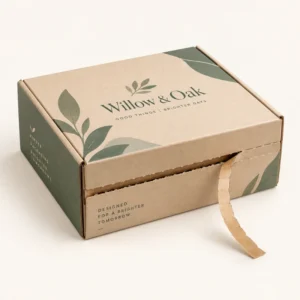
Self seal boxes are boxes that close with a built in adhesive strip, so the packer peels off a protective backing and presses the flap down to seal the box, with no tape gun and no separate roll of tape needed. That simple change can speed up packing noticeably, because sealing becomes one movement rather than a separate taping step. For small teams, market sellers and anyone packing many similar parcels in a session, self seal boxes save time on each box, and the finished parcel has a clean, tidy closure that looks professional on arrival.
How self seal boxes work
Most self seal boxes carry a strip of adhesive along the closing flap, protected by a paper or film backing until the moment of sealing. The packer folds the box into shape, places the contents inside, peels the backing away and presses the flap firmly along its full length. The adhesive bonds at once, so the box can be labelled and set aside without waiting for anything to dry. Some designs also include a tear strip for the recipient, which lets the parcel be opened cleanly without a knife near the contents inside, while other designs are intended to be opened by cutting the seal.
Peel and seal strips in detail
A peel and seal strip is usually a wide band of adhesive that gives a strong bond across the flap, rather than a narrow line that could peel away at the ends. Press the flap down from the centre outwards, so air is pushed out and the whole strip makes contact with the box surface. If the flap is pressed down only in the middle, the ends can lift during handling and the seal may look untidy. Keep hands dry and clean when handling the strip, because dust, moisture or skin oils on the adhesive can weaken the bond before the box is even sealed.
Why a seal can fail, and how to avoid it
A self seal closure fails most often because the surface was dusty, damp or cold, because the flap was pressed down unevenly, or because the box was overfilled so the flap was under strain. Store the boxes in a dry place at normal room temperature, wipe away any dust from the flap area before sealing, and do not force a lid closed over contents that push it upwards. If a parcel is very heavy, or if the contents could press hard against the flap in transit, a strip of tape over the seal gives extra security without losing the speed of the self seal closure.
Types of self seal box
Self seal boxes come in several forms, from slim mailer style boxes for flat items to deeper corrugated boxes for gift sets and multi item orders. Some are made from folding card and suit light retail products, while others are made from corrugated board and suit posting through a courier or postal service. The right type depends on the weight of the contents, the protection they need and the impression you want the parcel to make. A light card box with a self seal strip is ideal for a shop order collected in person, while a corrugated version is the safer choice for a parcel that will travel through sorting.
Benefits and limits of self seal boxes
The main benefit of self seal boxes is speed, because the packer does not need to reach for tape, cut a length, apply it and smooth it down for every parcel. A second benefit is tidiness, because a self seal closure sits flat along the flap and gives a consistent finish across every parcel in a batch. A third benefit is that the closure can show whether a parcel has been opened, because a peeled seal cannot easily be resealed invisibly, which reassures both the sender and the recipient. Those benefits are strongest when the team packs many parcels of a similar size in a regular routine.
When tape is still the better choice
Tape remains the better choice for very heavy parcels, for boxes that will be stacked under considerable weight, and for parcels that may face wet conditions, because tape can be applied over seams and ends for extra reinforcement. Tape also suits a box that needs to be reopened and resealed, for example when an order is checked before despatch, because a self seal strip is generally intended for a single sealing. If your parcels vary widely in weight and size, keep both options on the bench and choose the closure that matches each parcel, rather than forcing every order into one method.
Storage and shelf life of the adhesive
Adhesive strips keep best when boxes are stored flat, in a dry place, away from damp, direct heat and dusty conditions. Heat can soften the adhesive and make it bond to its backing, while damp can weaken the board around the strip. Use older stock first, keep the boxes in their outer packaging until they are needed, and avoid storing them beside a radiator or in a cold outbuilding over winter. If a strip feels dry or no longer grips firmly, use tape for that box rather than risking a parcel that opens in transit.
Ordering self seal boxes for your packing bench
When you order self seal boxes, share the internal size you need, the typical weight of your parcels and whether you want a plain box or a printed design. Printed self seal boxes can carry a logo and a short message, which makes the parcel look branded without adding a separate labelling step. Standard formats take 10 to 14 working days after final artwork approval, and corrugated formats take 12 to 15 working days, and these figures describe production time only and are not a guaranteed delivery date. Before a larger order, pack a sample parcel, seal it, and check that the flap stays flat when the box is turned over and shaken gently.
Getting the most from a self seal routine
Set out the boxes in size order, keep the backing strips clean, and seal each box as soon as it is packed so no parcel is left open on the bench. A short routine like this keeps the adhesive clean and the bench tidy, and it makes it easier to spot a box that has been overfilled before it is sealed. Sellers who place packaging on the UK market may also need to consider packaging duties, and the GOV.UK guidance on extended producer responsibility for packaging explains those duties in plain terms. For related packaging, see self seal mailer boxes and self seal postal boxes. You can request a quote, browse the shop and read the delivery information page for planning.
Frequently asked questions
Do self seal boxes need tape as well?
Usually not for light to medium parcels, because the adhesive strip gives a firm closure on its own. For very heavy parcels, or parcels that will be stacked under weight, a strip of tape over the seal gives extra security.
Can self seal boxes be reopened?
Most self seal closures are intended for a single sealing, and reopening them will usually damage the flap or leave a visible mark. That is also why the seal can show whether a parcel has been opened in transit.
How should I store self seal boxes?
Store them flat, dry and away from damp, direct heat and dust. Heat can soften the adhesive, damp can weaken the board, and dust on the strip can reduce the bond, so keep boxes in their outer packaging until needed.
Are self seal boxes suitable for posting?
Yes, provided the board strength matches the contents and the finished parcel size and weight fit your carrier limits. Corrugated self seal boxes are the safer choice for parcels travelling through sorting.
How long does production take after artwork approval?
Standard formats take 10 to 14 working days and corrugated formats take 12 to 15 working days after final artwork approval. These figures describe production time only and are not a guaranteed delivery date.