
self sealing boxes
Showing the single result
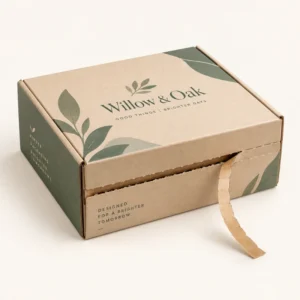
Self sealing boxes are boxes whose closure is built into the box itself, usually as an adhesive strip, so the box can be sealed without a separate roll of tape. The term is a general one, and self sealing boxes cover several different designs, from a simple peel and seal flap on a mailer to a corrugated postal box with a wide adhesive band. Understanding which design you are buying matters, because the designs differ in strength, in whether they can be reopened, and in how they behave for the customer opening the parcel.
What self sealing boxes actually include
Most self sealing boxes use a peel and seal strip, where a protective backing is removed to expose adhesive along the closing flap. Pressing the flap down bonds it at once, which is why these boxes suit fast packing. Other designs use a strip of adhesive that is activated by pressure alone, or a tuck flap with an adhesive area that grips when the flap is folded in. A few designs combine an adhesive strip with a tear strip, so the recipient can open the box cleanly by pulling a tab rather than cutting the seal. When you compare products, ask which of these designs is being offered, because the phrase alone does not tell you.
Peel and seal, pressure seal and tuck with adhesive
A peel and seal strip is the most common design, and it gives a strong, visible closure across the full width of the flap. A pressure seal design relies on adhesive areas that bond when two surfaces are pressed together, which can give a tidier finish but needs firm, even pressure to work well. A tuck flap with adhesive gives a more discreet closure, because the flap folds inside the box, but it may be less suitable for heavy contents that push against the flap. For light retail products, any of these designs can work well, while for heavier parcels a wide peel and seal strip on a corrugated box is usually the safer choice.
How to tell the designs apart when ordering
Ask for a sample and look at three things: where the adhesive sits, how wide the adhesive band is, and how the box is meant to be opened. A wide band along the outer flap gives the strongest bond, a narrow band may lift at the ends, and a tear strip shows as a perforated line or a pull tab near the seal. Seal a sample, leave it for a day, then try to open it as a customer would, and check whether the opening is clean or messy. That practical test tells you more than a product name ever will.
Self sealing boxes compared with tape sealed boxes
A self sealing box saves the taping step, gives a consistent finish across a batch and can show whether a parcel has been opened, because a peeled seal is hard to reseal invisibly. A tape sealed box, by contrast, can be reinforced over seams and ends, can be reopened and resealed more easily for checking, and can be adapted to boxes of any size on the bench. For a team packing many similar parcels, the self sealing design usually wins on speed and tidiness. For parcels that vary widely, or for very heavy orders, tape sealing remains a useful option, and many benches keep both methods available.
Choosing self sealing boxes for your products
Choose self sealing boxes by starting with the product and the journey, not with the closure alone. A light, sturdy product travelling a short distance needs far less board strength than a fragile product travelling through sorting, and the closure must match that journey. Check the internal size against the product with its inner packaging included, check the board strength against the weight of a typical packed parcel, and check the seal on a sample before ordering in quantity. A box that fits well, protects well and seals reliably will give a better result than a box chosen only because its closure sounded convenient.
Board, size and weight considerations
Folding card self sealing boxes suit light retail products, gifts and items collected in person, because they are light and present well. Corrugated self sealing boxes suit posting, because the fluted board absorbs knocks and gives stacking strength. Single wall board suits light to medium parcels, while double wall board suits heavier or fragile orders. In every case, measure the finished parcel, including cushioning, and weigh it complete, because a box that is too large will need extra filling and a parcel that is too heavy for its board may crush in transit, whatever closure it uses.
When a self sealing closure is not the right choice
A self sealing closure is not ideal when a parcel must be reopened and resealed repeatedly, when the contents are very heavy and press hard against the flap, or when the parcel may face wet conditions that weaken adhesive. In those cases, a tape sealed box, or a self sealing box with an extra tape strip over the seal, gives a more reliable result. Storage also matters: keep self sealing boxes flat, dry and at normal room temperature, because heat, damp and dust can all weaken an adhesive strip before it is even used.
Ordering and using self sealing boxes well
When you order self sealing boxes, describe the product, the typical parcel weight, the board you prefer and the opening experience you want for the customer. If you want a clean opening, ask for a tear strip design, and if you want a tamper visible closure, ask how the seal behaves when it is peeled. Standard formats take 10 to 14 working days after final artwork approval, and corrugated formats take 12 to 15 working days, and these figures describe production time only and are not a guaranteed delivery date. On the bench, keep the adhesive strips clean, seal each box as soon as it is packed, and press the flap down from the centre outwards so the whole strip makes contact.
A simple routine for a self sealing bench
Set out the boxes in size order, keep cushioning and labels within reach, and pack each order in the same sequence: wrap the item, place it centrally, fill the remaining space, peel the backing, press the flap down firmly and label the parcel straight away. Check a seal from each new delivery before the batch goes into daily use, and use tape for any box whose strip feels dry or weak. Sellers who place packaging on the UK market may also need to consider packaging duties, and the GOV.UK guidance on extended producer responsibility for packaging explains those duties in plain terms. For related packaging, see self seal boxes, self seal postal boxes and self seal mailer boxes. You can request a quote and read the delivery information page for planning.
Frequently asked questions
Are self sealing boxes the same as self seal boxes?
In practice the two phrases are used for the same idea: a box that seals with a built in adhesive strip instead of tape. The exact design still varies, so check whether the box uses a peel and seal strip, a pressure seal or a tuck flap with adhesive.
Can self sealing boxes be reopened and resealed?
Most self sealing closures are intended for a single sealing, and reopening them will usually damage the flap or leave a visible mark. That also means the seal can show whether a parcel has been opened in transit.
Do self sealing boxes need tape as well?
Usually not for light to medium parcels. For very heavy parcels, or parcels stacked under considerable weight, a strip of tape over the seal gives extra security.
How should I store self sealing boxes?
Store them flat, dry and at normal room temperature, away from damp, dust and direct heat. Heat can soften adhesive, damp can weaken board, and dust on a strip can reduce the bond.
How long does production take after artwork approval?
Standard formats take 10 to 14 working days and corrugated formats take 12 to 15 working days after final artwork approval. These figures describe production time only and are not a guaranteed delivery date.