
peel and seal boxes
Showing the single result
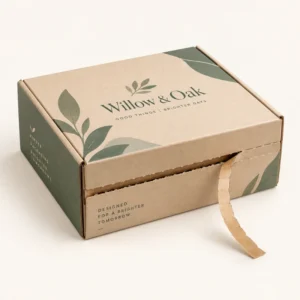
Peel and seal boxes close with a built in adhesive strip, so a packer peels off a protective liner, folds the lid down and presses it shut, with no tape gun needed. That simple change speeds up packing, gives a neat finish and helps parcels look consistent, even when many hands are packing. This guide explains how the closure works, which products suit it best and how to get a reliable seal every time.
How peel and seal boxes work
The adhesive strip sits on the lid or on the closing flap, covered by a liner that protects it during storage and assembly. When the box is packed, the liner is peeled away to expose the adhesive, the lid is folded into place and firm pressure along the strip creates the bond. Many designs also include a tear strip for the recipient, so the parcel can be opened cleanly without scissors or a knife near the contents.
Because no separate tape is needed, the packing bench stays tidier and packers do not need to share tape guns or wait for a roll to be changed. That may sound minor, but in a busy despatch area, small delays add up across hundreds of parcels. A consistent closure also helps quality checks, because a sealed box looks the same whether it was packed first thing in the morning or at the end of a long shift.
Box styles with a peel and seal closure
Peel and seal closures appear on several box styles. Hinged lid mailer boxes use the strip to hold the lid shut. Postal boxes in a pizza style fold use the strip along the front edge. Book wraps and panel wraps use an adhesive strip to hold a snug wrap around flat items. The right style depends on the product shape, the amount of protection needed and how the parcel will be opened.
Choosing between a mailer and a postal box
A mailer box suits products that need a structured box with a clean opening experience, such as cosmetics, accessories and gift sets. A postal box suits flatter or more standard parcels where a simple, strong closure matters most. If presentation on opening matters, check the inside finish as well as the outside, because some boxes print or finish the inside for a more polished reveal.
Materials and board grades
Most peel and seal boxes are made from corrugated board or sturdy card, chosen to suit the weight and fragility of the contents. Single wall corrugated board suits light to medium parcels and keeps weight low. Stronger board suits heavier items and parcels that will be handled many times. Kraft board gives a natural look, while white board gives a brighter finish for print and labelling.
What affects seal strength
Seal strength depends on clean surfaces, correct pressure and suitable storage. Dust, moisture and very cold conditions can weaken adhesion, so boxes should be stored dry and at room temperature where possible. Press the strip along its full length, not just at the ends, and avoid reopening a sealed box to add an item, because a second seal will rarely be as strong as the first.
Peel and seal boxes for ecommerce and fulfilment
Ecommerce teams value peel and seal boxes because packing speed directly affects how many orders leave each day. A packer can assemble, fill and seal a box in a smooth sequence, without reaching for tape or a dispenser. That speed also helps seasonal peaks, when temporary staff need to learn the packing routine quickly. A closure that is obvious and consistent reduces training time and packing errors.
For returns, some peel and seal designs include a second strip, so the customer can reseal the same box. That reuse is convenient for the customer and reduces waste, because a fresh box is not needed for the return journey. If returns are common for a product, ask whether a second strip is available on the chosen style before ordering.
Products that suit peel and seal boxes well
Clothing, accessories, cosmetics, stationery, small electronics accessories, books and gift sets all suit peel and seal boxes, provided the box fits the product closely. Very heavy items may need a stronger board or a taped closure in addition to the strip, so it is worth testing a packed box with the real product before a large order. Fragile items still need internal protection, such as tissue, an insert or cushioning, because the closure alone does not protect against impact.
Products that need extra care
Sharp, very heavy or unusually shaped items need careful thought. A sharp item can damage the box from inside, while a very heavy item can strain the closure during handling. In those cases, wrap the item, choose a closer fitting size and consider a stronger board grade. Testing with a real product is the simplest way to catch these issues before they reach customers.
Packing routine for a reliable seal
A good routine has four steps: assemble the box, place the product with protection, close the lid without forcing it and press the strip firmly. Check that the lid sits flat and that no product or void fill is trapped in the seal area, because trapped material can prevent a full bond. Label the parcel on a flat panel where the label will stay readable and scannable.
Common sealing mistakes to avoid
Touching the exposed adhesive with fingers, sealing in a dusty area and pressing only part of the strip are common mistakes. Each one weakens the bond or leaves part of the lid loose. Keep liners on until the moment of sealing, keep the packing bench clean and press the full strip with the palm or a flat hand. If a seal fails, use a fresh box rather than adding tape over a failed strip, unless the supplier advises otherwise.
Buying peel and seal boxes
When comparing options, check box style, internal size, board grade, closure type and whether a tear strip is included. Check also whether the box is supplied flat, how many boxes come in a pack and whether a second strip for returns is available. A sample pack helps confirm the seal feel, the ease of assembly and the fit for the product, before committing to a larger quantity.
For postal formats, see the peel and seal postal boxes range. For branded orders, the personalised mailer boxes range shows printed options. A tailored enquiry can be made through the get a quote page, and delivery planning information is on the delivery information page. For parcel size limits, the Royal Mail size and weight guide is a useful reference.
Storage and handling before packing
Store flat boxes in a dry place, away from damp, dust and direct heat. Keep liners in place until packing, because a liner removed early can collect dust and weaken the seal. Rotate stock so older boxes are used first, and check a sample seal from each new delivery before the boxes enter general use.
When a taped box is still the better choice
Taped boxes remain a good choice for very heavy parcels, for parcels that will be opened and resealed many times in a warehouse, and for oversized boxes where a strip alone may not give enough holding power. The best closure is the one that suits the product, the journey and the way the recipient will open the parcel, not simply the fastest option.
Frequently asked questions about peel and seal boxes
Do peel and seal boxes need tape as well?
No, for most light to medium parcels the adhesive strip is designed to close the box on its own. Very heavy parcels may need extra reinforcement, so test with the real product first.
Can the recipient open a peel and seal box easily?
Yes, where a tear strip is included. The recipient pulls the tear strip to open the box cleanly, without scissors or a knife near the contents.
Can peel and seal boxes be reused for returns?
Some designs include a second strip for returns, allowing the same box to be resealed. Check whether the chosen style includes this feature before ordering.
How should peel and seal boxes be stored?
Store them flat, dry and at room temperature, with liners in place until packing. Dust and damp can weaken adhesion, so keep boxes in their packs until needed.
What products suit peel and seal boxes best?
Clothing, accessories, cosmetics, stationery, books and gift sets suit them well, provided the box fits closely and fragile items have internal protection.