
bubble mailer vs box
Showing the single result
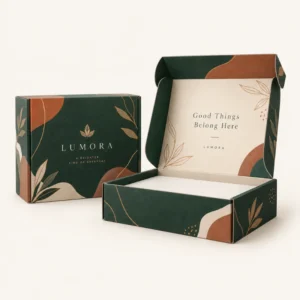
Choosing between a bubble mailer vs box comes down to one question, which is how much protection the item needs during its journey. A bubble mailer is light, compact and cushioned, while a box is rigid, stronger against crushing and better for fragile, heavy or awkward items. The right choice protects the product without adding unnecessary size, weight or waste, and it helps the parcel arrive in a condition the customer will be pleased with.
Bubble mailer vs box at a glance
A bubble mailer is a padded envelope with a bubble lining inside a paper or plastic outer layer. It flexes, it weighs very little and it packs quickly with a self adhesive seal. A box is a rigid container, usually made from corrugated cardboard, that holds its shape, protects corners and allows cushioning on all sides. Both formats can be used for ecommerce, gifts and everyday posting, but they suit different kinds of products and different levels of risk.
Think of the decision as a trade off between flexibility and rigidity. A mailer wins on lightness, compactness and packing speed for suitable items. A box wins on crush resistance, corner protection and the ability to hold fragile or multi part orders securely. Neither format is better in every case. The best choice is the one that matches the item, the journey and the experience you want the customer to have on opening.
Key differences in protection
Protection is the most important difference. A bubble mailer protects against scratches, light knocks and surface abrasion, because the bubble film absorbs small impacts. It does not protect well against crushing, bending or heavy stacking, because the envelope itself has little rigidity. A box protects against crushing and bending, because the corrugated board holds its shape and the cushioning inside can be arranged around the product. For items that could crack, dent or bend, that rigidity is often the deciding factor.
Crush resistance and corner protection
Crush resistance matters when parcels are stacked, squeezed into a van or handled alongside heavier freight. A box with adequate board strength will resist that pressure far better than a flexible mailer. Corner protection matters for books, framed items, rigid gift boxes and products with sharp edges, because corners are the first points to suffer damage. A box with corner cushioning or a fitted insert protects those points, while a mailer leaves corners exposed to pressure from outside.
Key differences in size and weight
Size and weight also differ. A bubble mailer adds very little to the size and weight of the product itself, which can help keep a parcel within a smaller postal format. A box adds board weight and a small amount of size, but it also allows a more predictable parcel shape, which can help with stacking and labelling. For very light, flat items, the size saving from a mailer can be significant. For larger or heavier items, the size difference becomes less important than the protection a box provides.
Postal formats illustrate this trade off. Royal Mail describes a large letter as up to 35.3 cm long, 25 cm wide and 2.5 cm thick, with a maximum weight of 750 g. A flat bubble mailer with a thin item may stay within those limits, while a box of similar length and width will usually be deeper and therefore classed as a parcel. Check the finished packed item, not just the empty packaging, against current Royal Mail limits before choosing a format for regular posting. See Royal Mail UK parcel and letter services for the current official size information.
When a bubble mailer is the better choice
A bubble mailer is often the better choice for small, light and non fragile items that benefit from cushioning but do not need rigidity. Examples include clothing accessories, soft toys in protective packaging, small cosmetics in their own containers, stationery, cables, phone accessories and media in sleeves. For these items, a mailer keeps the parcel slim, reduces material use and speeds packing, because the item can be slipped in, sealed and labelled in seconds.
A bubble mailer also suits items that are already protected by their own retail packaging. A product in a sturdy retail carton, a plastic case or a padded pouch may need only light outer cushioning to prevent scuffs in transit. In that case, a mailer can act as a protective outer layer without the bulk of a second box. The key test is whether the retail packaging itself can withstand normal handling. If it can, a mailer may be enough. If it cannot, a box is safer.
Soft goods and light accessories
Soft goods, such as scarves, hats in protective bags, small textile items and soft toys, rarely need a rigid box, because they can flex without damage. A bubble mailer protects them from dirt, moisture and light knocks, while keeping the parcel compact. Light accessories, such as jewellery in a case, keyrings, small craft items and phone accessories, also suit a mailer, provided they are wrapped or pouched first so they do not scratch each other or press against the seal.
Items already in retail packaging
When a product arrives in its own retail box or case, the outer packaging needs to protect that retail packaging, not necessarily the product directly. A bubble mailer can prevent scuffs and light dents to a retail carton, and it keeps the overall parcel small. Check the retail carton for weak corners or thin board, because a retail carton designed for shop display may not be strong enough for postal transit on its own. If the retail carton is thin or decorative, a small outer box may still be the better choice.
Documents, prints and flat media
Flat items such as documents, photographs and prints can suit a bubble mailer when they are light and when a stiff backing is added to prevent bending. Bubble lining protects the surface from scratches, while the backing keeps the item flat. For valuable prints, certificates or artwork, a rigid mailer or a flat box with a stiff insert is usually safer, because a flexible mailer can still bend under pressure from other parcels. The value and replaceability of the item should guide the choice, not just its size.
When a box is the better choice
A box is the better choice when the item is fragile, heavy, sharp, valuable or awkwardly shaped. Glass, ceramics, bottles, jars, electronics with exposed parts and items with protruding corners all benefit from a rigid outer container with cushioning on all sides. A box also suits multi item orders, because dividers and inserts can keep items separated, and it suits items that must stay in a fixed orientation, such as liquids or products that could leak if tipped.
A box is also better when the parcel will be stacked, stored or handled alongside heavier freight. In a busy sorting centre or a delivery van, a flexible mailer at the bottom of a stack can be crushed, while a box with adequate board strength will hold its shape. If you cannot control how a parcel will be handled after collection, choosing a box gives a safety margin that a mailer cannot provide for vulnerable items.
Fragile, heavy and valuable items
Fragile items need cushioning that absorbs impact from every direction, not just from the surface. A box allows that cushioning to be placed around, above and below the product, with a gap between the product and the outer walls. Heavy items need board strength and a secure closure that will not burst under load. Valuable items benefit from a box because it is harder to damage accidentally and easier to seal securely with tape, which also shows if a parcel has been opened.
Multi item orders and awkward shapes
Multi item orders often need a box, because a mailer cannot easily separate items or prevent them from rubbing together. A box with dividers, compartments or individual wrapping keeps each item in place and makes unpacking clearer for the customer. Awkward shapes, such as long, round or irregular items, also suit a box, because inserts and cushioning can be shaped around the item. A mailer, by contrast, forces an awkward item into a flat shape, which can stress joints, corners and surfaces.
Presentation orders and gift sets
Presentation matters for gift sets and premium orders, where the customer expects a clean, structured opening experience. A box opens in a predictable way, presents items in a planned order and can be reused for storage. A mailer, while practical, gives a less structured opening and is usually discarded after use. If the unboxing experience is part of the product, such as for a gift, a subscription edition or a launch set, a box is often worth the extra size and material, because it supports the experience the brand wants to create.
A practical decision checklist
Use a short checklist to decide between a bubble mailer and a box for each product, rather than choosing one format for everything. Start with fragility. If the item could crack, chip, dent or bend, choose a box. Next, check weight and shape. If the item is heavy, sharp or awkward, choose a box. Next, check postal size. If a mailer keeps a light, non fragile item within a smaller postal format without compromising protection, a mailer may be the practical choice. Finally, check presentation. If the opening experience matters, a box may justify its extra size.
Test the decision with a real packed sample. Pack the item as you would for a customer, seal the mailer or box, and subject it to a gentle drop, a squeeze and a stack test with a heavier parcel on top. Open it and check for damage, movement and ease of opening. If the mailer fails any part of that test, upgrade to a box. If the box passes easily but uses far more material than needed, consider a smaller box or a mailer for that specific product, provided protection is not compromised.
Questions to ask before choosing
1. Could the item crack, chip, dent or bend if stacked under other parcels?
2. Is the item heavy, sharp or awkwardly shaped?
3. Does the item need to stay flat, upright or in a fixed orientation?
4. Is the item already protected by strong retail packaging?
5. Does the opening experience matter to the customer?
If you answer yes to the first three questions, a box is usually the safer choice. If you answer yes mainly to the fourth question, and no to the first three, a bubble mailer may be enough. Presentation alone does not make a mailer unsafe, but it can tip the balance towards a box when protection is borderline.
Common mistakes to avoid
A common mistake is choosing a mailer for a fragile item simply because it is cheaper or smaller. The saving on packaging can be lost many times over through damage, returns and lost customer trust. Another mistake is choosing a box that is far too large, then filling it with loose void fill that allows the item to move. A box should fit the item closely, with cushioning that stops movement. A third mistake is forgetting to check the finished parcel size and weight. A mailer that is overfilled, or a box that bulges, can move into a larger postal format and can be harder to seal and label.
Balancing cost, waste and customer experience
Cost, waste and customer experience should be balanced together, not considered in isolation. A mailer uses less material and may reduce parcel size, which can help with waste and handling. A box uses more material but can reduce damage and returns, which also reduces waste over time. The most sustainable choice is usually the smallest packaging format that reliably protects the item, because damaged goods create far more waste than a slightly larger box. Choose the format that protects the product first, then minimise size and material within that format.
Packing tips for both formats
Whether you choose a mailer or a box, good packing habits make a difference. Wrap items separately where they could scratch or break each other. Keep items away from seals and seams, where they could be damaged on opening or cause a seal to fail. Fill empty space with cushioning that stops movement, but do not overfill to the point where a mailer cannot seal flat or a box cannot close without bulging. Label clearly on a flat surface, with barcodes kept clear of folds and tape.
For mailers, press the seal firmly from the centre outwards and check it holds across its full width. For boxes, tape the centre seam securely and, for heavier parcels, tape the edges as well. In both cases, test a packed sample before committing to a format for a full product range, and keep a note of the packaging specification for each product, so packing remains consistent when different team members handle orders.
Related packaging for small item sends
Many businesses use both mailers and boxes, choosing the format per product rather than per business. A small accessory may travel in a bubble mailer, while a gift set from the same shop travels in a box. Keeping both formats in stock, with clear guidance on which products suit each, helps a packing team make consistent decisions. For related options, see bubble mailer box, brown mailing boxes and brown postal boxes. To discuss packaging for your product range, request a quote for mailer and box packaging.
Frequently asked questions
Is a bubble mailer or a box better for fragile items?
A box is better for fragile items, because it provides rigidity and allows cushioning on all sides. A bubble mailer protects against light knocks and scratches, but it does not protect well against crushing or bending.
When should I use a bubble mailer instead of a box?
Use a bubble mailer for small, light and non fragile items, such as accessories, soft goods and media in sleeves, especially when the item is already in retail packaging or a protective pouch. A mailer keeps the parcel compact and packs quickly.
Can a bubble mailer be used for books?
A bubble mailer can suit thin, light books, but larger, hardback or valuable books usually benefit from a rigid mailer or a book wrap that protects corners and keeps the book flat.
Does a box always cost more to post than a mailer?
Not always. A box may move a parcel into a larger postal format because of depth, but a well sized box for a suitable item is not automatically more expensive to handle than an overfilled mailer. Check the finished packed size and weight against current postal limits.
Can I use both mailers and boxes in one business?
Yes, many businesses use both formats and choose per product. Keeping clear packing guidance for each product helps a team choose consistently and avoids using a mailer for an item that really needs a box.