
bubble mailer box
Showing all 2 results
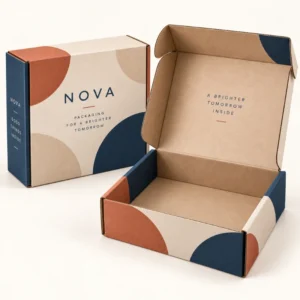
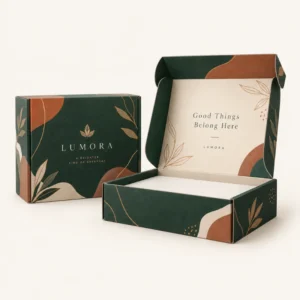
A bubble mailer box is a padded mailing format that combines a protective outer layer with a bubble lining, giving small items cushioning without the bulk of a full cardboard carton. In everyday use, a bubble mailer box may be a padded envelope with bubble lining, or a small rigid box with bubble padding inside, depending on how much structure the item needs. The key idea is the same in both cases, which is to absorb knocks and scrapes while keeping the parcel light, compact and easy to post.
What a bubble mailer box is
The term bubble mailer box is used loosely, and that can cause confusion when choosing packaging. Some sellers use it to mean a bubble lined envelope, often called a padded mailer or a bubble mailer. Others use it to mean a small box that includes bubble wrap or bubble padding as an inner layer. Both formats protect against light impact, but they differ in rigidity. A padded envelope will flex and bend, while a small box will hold its shape and protect corners more effectively.
Understanding that difference helps you choose the right format. If the item is flat, light and not easily bent or broken, a padded envelope may be enough. If the item has corners that could be crushed, a shape that must stay rigid or a surface that could be dented, a small box with bubble padding inside is usually safer. When in doubt, test the packed item by pressing the sides gently and checking whether the product can be felt through the packaging. If it can, add more padding or move to a box.
Bubble lined envelopes
A bubble lined envelope has an outer layer of paper or plastic and an inner layer of bubble film. The outer layer provides a surface for addressing and handling, while the bubble layer cushions the contents against knocks. Paper outer layers, often in kraft or white, give a more natural look and are easy to write on. Plastic outer layers are more resistant to moisture and tearing, which can help for items posted in wet weather or stored outdoors before collection.
Self sealing closures and easy packing
Most bubble lined envelopes use a self adhesive strip, often called a peel and seal strip. The sender removes a backing strip, folds the flap down and presses it firmly to seal the mailer. This speeds packing, because no tape gun is needed, and it gives a consistent seal across the full width of the flap. For best results, press the seal from the centre outwards, keep the sealing area free of dust and product, and avoid overfilling the envelope so the flap can close flat without strain.
Small boxes with bubble padding
A small box with bubble padding inside combines rigidity with cushioning. The box protects corners and edges, while the bubble padding absorbs impact and stops the item moving. This format suits small electronics in inner packaging, jewellery boxes, cosmetics, small gifts and delicate accessories that need more than a flexible envelope can provide. It also suits items that must arrive looking pristine, because a box is less likely to bend or crease in transit than an envelope.
When using a small box with bubble padding, wrap the item in bubble film first, then place it in the box with additional padding around all sides if needed. The item should not move when the closed box is shaken gently. If it does move, add padding or choose a smaller box. A box that is too large for its contents wastes space and allows movement, which can undo the benefit of the bubble padding.
What fits well in a bubble mailer box
Bubble mailer formats suit small, light items that need cushioning but not heavy crush protection. Good examples include phone accessories, cables, small cosmetics, jewellery in a protective case, stationery, small toys, craft supplies and media such as discs in sleeves. They also suit documents and photographs that need protection from bending and surface damage, provided a stiff backing is added where flatness matters. For these items, a bubble mailer keeps the parcel compact, which can help with postal size and handling.
Bubble mailers are less suitable for very fragile, heavy or sharp items. Glassware, ceramics, heavy tools and items with sharp corners can puncture bubble film or crush a flexible envelope. Items that must stay perfectly flat, such as large prints or certificates, may also need a rigid mailer or a flat box with a stiff insert, rather than a flexible bubble envelope alone. Choosing the right format at this stage prevents damage that no amount of extra bubble film inside a weak outer layer can fix.
Small electronics and accessories
Small electronics and accessories often travel well in a bubble mailer, provided they are in their own retail packaging or a protective pouch first. A phone case, a cable or a small adapter can be protected by bubble lining against scratches and light knocks. For items with screens, lenses or exposed connectors, add a pouch or a wrap before placing the item in the mailer, and make sure the item cannot bend or press against the seal. If the item is valuable or easily damaged, a small rigid box with bubble padding may be a safer choice than a flexible envelope.
Adding a pouch or sleeve for extra protection
A pouch or sleeve adds a useful extra layer inside a bubble mailer. It keeps small items together, prevents scratching and makes the item easier to remove without tearing the bubble lining. A simple paper pouch, a fabric pouch or a plastic sleeve can all work, depending on the product and the presentation wanted. For items with multiple small parts, a pouch also stops parts from escaping if the outer mailer is damaged, and it gives the recipient a tidy way to store the item after opening.
Books, media and flat items
Thin books, booklets and media items can suit a bubble mailer when they are light and not too large. Bubble lining protects covers from scuffs and light impact, while the envelope format keeps the parcel slim. For larger books, hardback editions or valuable media, a rigid mailer or a book wrap may be better, because it keeps the item flat and protects corners more effectively. If a book is posted in a bubble mailer, place it with the spine away from the seal and add a stiff card if the cover could bend.
Choosing a size and material
Size choice for a bubble mailer follows a simple rule. Choose the smallest mailer that allows the item, with its inner protection, to slide in without force and to seal without strain. Measure the item after wrapping, not before, because bubble film, a pouch and a backing card all add thickness. Allow a small clearance around the item, but avoid a mailer that leaves large empty areas where the item can slide from side to side. A snug fit protects better and looks more professional when opened.
Material choice affects moisture resistance, appearance and recycling. Kraft paper bubble mailers give a natural look and are often made from paper and plastic layers that may need to be separated for recycling, depending on local rules. Plastic bubble mailers resist moisture and tearing, but they are less suited to a natural brand look. White paper bubble mailers give a clean, bright surface for labels and handwriting. Choose the material that suits the product, the journey and the brand, rather than the cheapest option by default.
Measuring for a snug fit
To measure for a bubble mailer, place the wrapped item on a flat surface and measure its length, width and thickness. Compare those dimensions with the usable internal dimensions of the mailer, not just the external size, because seals and side welds reduce usable space. If the item is close to the maximum size for a mailer, move up to the next size rather than forcing the seal. A forced seal is more likely to fail in transit and can damage the item as it is pushed into place.
Internal dimensions versus external dimensions
External dimensions describe the mailer as supplied, while internal dimensions describe the space actually available for the product. The difference may be only a few millimetres, but it matters for items that are close to the limit. Always check internal dimensions on a product specification, and test a sample mailer with a real product before ordering in bulk. A short test can prevent a whole batch of mailers that are slightly too small for the items they were bought to protect.
Postal sizes and weight
Bubble mailers are often chosen because they keep parcels light and compact, which can help with postal formats. A flat bubble mailer containing a thin item may stay within large letter limits, which Royal Mail describes as up to 35.3 cm long, 25 cm wide and 2.5 cm thick, with a maximum weight of 750 g. A thicker or heavier mailer will usually be classed as a parcel. Check the finished packed mailer, including any inner pouch or backing card, against current Royal Mail limits before choosing a size for regular posting. See Royal Mail UK parcel and letter services for the current official size information.
Packing, labelling and recycling
Packing a bubble mailer well is quick when the size is right. Slide the wrapped item in centrally, so it does not press against the seal or the side welds. Press out excess air gently if the mailer allows it, without crushing the product, then seal the flap firmly from the centre outwards. Check that the seal holds across its full width and that no part of the product is trapped in the seal. A trapped edge can prevent a full seal and can damage the product when the mailer is opened.
Labelling a bubble mailer needs care, because the surface may be textured or slightly uneven from the bubble lining. Place the address label on the flattest part of the mailer, away from the seal and side welds, and press it firmly so edges do not lift. Keep barcodes flat and clear, and avoid placing a label over a crease or a bubble that could distort scanning. If handwriting an address, use a pen that will not smudge on the outer material, and write clearly in large, legible letters.
When to upgrade from a mailer to a box
Upgrade from a bubble mailer to a box when the item is fragile, heavy, sharp, valuable or must stay rigid. A box provides crush resistance that a flexible mailer cannot, and it allows cushioning on all sides. Also upgrade when the item has protruding parts, such as handles, knobs or corners, that could puncture bubble film. A simple test is to ask whether the item would survive being stacked under other parcels. If the answer is no, a box is the safer choice, even if a mailer would be lighter and smaller.
Recycling and reuse
Recycling a bubble mailer depends on its materials. A paper outer with a plastic bubble lining is a mixed material product, and local recycling rules may require the layers to be separated, or may direct the mailer to general waste. A plastic only mailer may be recyclable through specific film collections, rather than kerbside recycling. Check local guidance and, where possible, choose a mailer material that matches the recycling options available to your customers. Reusing a clean, undamaged bubble mailer for a return is often a practical way to reduce waste, provided the seal is still strong and old labels are removed.
For related packaging, see brown mailing boxes, brown postal boxes and mailer box. To discuss small item packaging, custom boxes or printed mailers, request a quote for bubble mailer packaging.
Frequently asked questions
What is a bubble mailer box?
A bubble mailer box is a padded mailing format with a bubble lining for cushioning. It may be a bubble lined envelope for light, flexible sends, or a small rigid box with bubble padding inside for items that need more structure.
What items suit a bubble mailer?
Bubble mailers suit small, light items such as accessories, cables, small cosmetics, stationery and media in sleeves. They are less suitable for glass, ceramics, heavy items or items that must stay perfectly rigid.
How do I choose the right bubble mailer size?
Measure the item after wrapping, including any pouch or backing card, and choose the smallest mailer with usable internal dimensions that allow a comfortable fit and a flat seal without strain.
Can a bubble mailer be used for fragile items?
A bubble mailer can protect lightly fragile items, but truly fragile items such as glass or ceramics usually need a rigid box with cushioning on all sides. If an item could crack, chip or bend, a box is usually safer.
Are bubble mailers recyclable?
Recycling depends on the materials used and local rules. Mixed paper and plastic bubble mailers may need layers to be separated, while plastic only mailers may belong in film collections rather than kerbside recycling. Check local guidance for the specific mailer.