
subscription boxes
Showing all 2 results
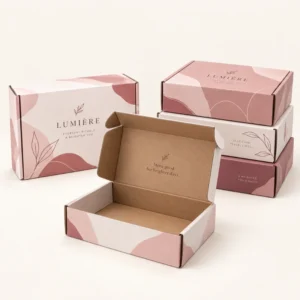
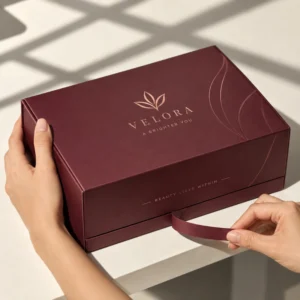
Subscription boxes are boxes sent on a regular schedule, usually monthly or quarterly, containing a curated selection of products around a theme, a hobby or a routine need. The subscriber pays in advance or on a recurring basis, and each delivery brings a mix of discovery, convenience and surprise, whether the theme is beauty, food, books, crafts, pets or wellness. For brands, subscription boxes create repeat contact with customers, and the box itself becomes a regular showcase for products and for the brand.
How subscription boxes work for brands and subscribers
There are two broad types of subscription boxes. Replenishment boxes send products that a customer uses regularly and runs out of, such as coffee, vitamins, pet food, razors or cleaning refills. The value here is convenience: the customer does not need to remember to reorder, and the brand gains predictable demand. Curated or discovery boxes send a themed selection that changes each time, such as beauty samples, snacks from a region, books with related gifts, or craft materials for a project. The value here is surprise and discovery, and the packaging plays a larger role in making that surprise feel special.
For subscribers, a subscription box should feel worth the wait. The products should fit the theme, the quality should be consistent, and the box should arrive in good condition. A subscriber who receives a damaged box, a jumbled set of products or a box that looks identical every month, with no seasonal touch, is less likely to stay. For brands, that means planning products, packaging and delivery together, not treating packaging as an afterthought once products are chosen.
For brands, subscription boxes also give useful feedback. Repeat orders show which themes work, which products are popular, and which months lead to cancellations. That feedback can shape future boxes, but only if the brand listens to it. A simple insert card asking for feedback, or a short survey linked from the insert, can give more useful information than guessing, and it shows subscribers that their views matter.
Replenishment boxes and discovery boxes compared
Replenishment boxes need practical, consistent packaging. The same products, or similar products, arrive each time, so the box size and layout can stay stable, and packing can become very efficient. Discovery boxes need flexible packaging, because products change size and shape each month. A mailer box with adjustable inserts suits discovery boxes well, because the outer brand stays consistent while the inside adapts. Both types benefit from a box that is easy to open, easy to recycle and strong enough for postal handling.
Choosing a box size for a changing range
Choose a box size that fits your largest typical month, not your smallest, and use inserts and cushioning to fill smaller months neatly. A box that is too small for a busy month will force you to change size at short notice, which disrupts packing and branding. A box that is far too large for a quiet month will look empty and waste material. Test the box with several past or planned selections, including a heavy month and a light month, before you commit.
Popular types of subscription boxes and their packaging needs
Beauty boxes usually contain several small products, such as skincare, makeup, haircare or fragrance samples, plus a product guide. Packaging needs upright sections for bottles, leak protection for liquids, and a tidy first view, because beauty subscribers often photograph the opened box. Food boxes need separation between flavours, food safe materials where required, and clear labelling for allergens and storage. Snack boxes need cushioning that stops packets crushing, while meal kit boxes need a different structure altogether, with chilled sections that are outside the scope of a simple mailer box.
Book boxes usually contain a book, plus related gifts such as a bookmark, a candle, tea or stationery. Packaging needs corner protection for the book, a snug fit that stops the book sliding, and room for gifts without crushing the book. Craft boxes contain materials and instructions for a project, so compartments help keep small parts separate and instructions visible on top. Pet boxes contain treats and toys, which vary in weight and shape, so strong board and a simple, robust layout work best. Wellness boxes often mix small bottles, teas and accessories, and benefit from calm, clean presentation rather than busy print.
Gift subscriptions deserve special attention, because the recipient may not be the person who ordered the box. A gift message, a clean presentation without pricing details, and a box that looks like a gift on opening all matter. If the gift subscription will be delivered to a workplace or a shared home, a box that is discreet on the outside, with branding inside, can be a thoughtful choice. Ask gift buyers at checkout whether they want a message included, and place that message where it will be found on opening.
Packaging for beauty, food and book boxes
Beauty packaging should protect bottles from leaks and breakage, with each bottle wrapped or sectioned separately. Food packaging should keep flavours separate and, where food is included, should follow food labelling rules for ingredients and allergens. Book packaging should protect the book first, with gifts arranged around it, not on top of it in a way that bends the cover. In all three cases, a product guide or insert card helps the subscriber understand each item, especially when products are samples or from small brands they have not tried before.
Making the first view photograph well
Subscribers often photograph the box as soon as it is opened. Place the most attractive item on top, keep tissue neat, and avoid loose filling that hides products. A printed inside lid, a short welcome message and a tidy arrangement give a photograph a clear focal point. Avoid overfilling the box, because a box that bursts open or spills on opening photographs poorly and can damage products. A calm, planned layout photographs far better than a crowded one.
Starting or improving a subscription box range
If you are starting a subscription range, begin with a clear theme and a clear audience. A box for everyone is hard to curate and hard to market, while a box for a specific interest, such as gardening, baking, reading or skincare for sensitive skin, can build a loyal group quickly. Decide how often boxes will be sent, how many products each box will contain, and what general level the range will sit at. Then choose packaging that fits that plan and can be repeated reliably.
If you already run a subscription range, review the box itself, not only the products. Ask subscribers what they do with the box after opening, whether they reuse it, recycle it or keep it, and whether any part of the packaging causes problems. Check damage rates, packing time and material waste for each month, and look for patterns. Small changes, such as a better insert, a stronger box for heavier months, or a simpler opening, can improve retention without changing the products at all.
Lead times for printed packaging should be built into your calendar. Standard lead times after final artwork approval are 10 to 14 working days, corrugated lead times are 12 to 15 working days, and rigid or specialist lead times are 13 to 16 working days, and those are production times, not guaranteed delivery dates. You can explore subscription box packaging for mailer boxes and inserts and you can see subscription boxes UK for UK delivery considerations. For a branded range, you can request a custom quote for subscription box packaging and you can browse the full shop for packaging options.
Keeping subscribers after the first box
Retention depends on consistency and small surprises. Keep the box quality consistent, keep delivery reliable, and vary the contents and a small packaging detail each month, such as a seasonal insert or tissue colour. Avoid changing the box size or structure without warning, because subscribers notice and may feel the range has changed for the worse. A short thank you note, handwritten where practical for small runs, can make a new subscriber feel welcomed and an existing subscriber feel valued.
Feedback, reviews and community
Encourage subscribers to share photographs and feedback, and respond to that feedback visibly in a later box, for example by noting that a popular product type will return, or that packaging has been improved after comments. A community around a subscription box, whether on social media or through a newsletter, helps subscribers feel part of something, not just recipients of a parcel. Packaging can support that community by including a simple prompt to share, without turning the box into an advertisement.
Frequently asked questions
1. What are subscription boxes? Subscription boxes are curated sets of products sent regularly, usually monthly or quarterly, around a theme such as beauty, food, books, crafts or pets.
2. What is the difference between replenishment and discovery boxes? Replenishment boxes send routine products a customer runs out of. Discovery boxes send a changing themed selection designed for surprise and trying new products.
3. What packaging suits a subscription box? A mailer box with a self closing lid, adjustable inserts and inside print suits most subscription boxes, because it presents products well on opening and adapts to changing contents.
4. How do I choose a box size for changing contents? Choose a size that fits your largest typical month and use inserts and cushioning for smaller months, rather than changing box size every month.
5. Can subscription packaging be sustainable? Yes, corrugated board and paper based inserts can be recycled through normal paper recycling, and a short recycling note inside the lid helps subscribers dispose of packaging correctly.