
subscription boxes UK
Showing the single result
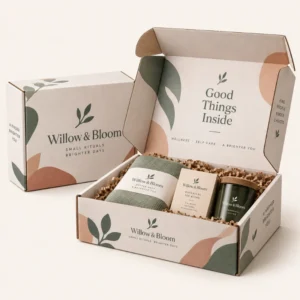
Subscription boxes uk are subscription boxes designed, packed and delivered for customers in the United Kingdom, with packaging sized for UK postal services, labelling that meets UK requirements, and delivery planning that fits UK addresses, postcodes and collection points. They cover the same themes as subscription boxes elsewhere, from beauty and food to books, crafts and pets, but the practical details, from box dimensions to delivery times, are shaped by the UK market. For a UK brand, getting those details right in subscription boxes uk makes deliveries smoother and customers happier.
Why subscription boxes uk need UK specific planning
UK postal services use size and weight bands that affect which box is cheapest and most practical to send. A box that fits a Royal Mail small parcel band, for example, will be easier and more predictable to post than a box that only just exceeds that band, because the finished parcel, including box and cushioning, must fit within 45 cm by 35 cm by 16 cm and weigh no more than 2 kg for that band. UK brands should therefore choose box sizes with UK bands in mind, measure a packed example, and avoid a design that looks attractive but pushes every parcel into a larger band.
UK addresses also shape packaging and labelling. Postcodes, flat numbers and rural addresses need a clear label on the largest flat side, with no old labels or barcodes that could confuse sorting. Many UK customers use collection points, lockers or postboxes for returns and for missed deliveries, so a box that is compact, easy to carry and easy to reseal is more practical than a very large or awkwardly shaped box. A box that fits through a letterbox is a special advantage for some products, but it requires a slim depth and careful product selection, and it should not be assumed for every subscription type.
Seasonal patterns in the UK matter too. Christmas, Mothering Sunday, Easter and summer holidays all create peaks in gift subscriptions and in subscriber numbers. A UK brand should plan packaging stock and artwork approval around those peaks, rather than ordering at the last minute. Standard lead times after final artwork approval are 10 to 14 working days, corrugated lead times are 12 to 15 working days, and rigid or specialist lead times are 13 to 16 working days, and those are production times, not guaranteed delivery dates, so seasonal artwork needs early approval.
UK postal sizes and box dimensions
Start with the service you will use most, then design the box to fit it. If most of your parcels will go as small parcels, keep the finished parcel within the small parcel limits and choose products and inserts that fit that size. If some months contain larger items, plan a second box size for those months, rather than forcing large items into a small box or sending small items in a very large box. A clear size plan, written down and shared with packers, avoids ad hoc decisions that lead to inconsistent parcels.
Letterbox friendly boxes and their limits
A letterbox friendly box is slim enough to fit through a standard UK letterbox, which suits flat products such as samples, prints, small books, sachets and thin accessories. It does not suit tall bottles, bulky toys or large books, and it should not be chosen for products that need deep cushioning. If you offer a letterbox option, test it with real products and a real letterbox, and check that the box still protects the product when it drops through the letterbox onto a hard floor. A letterbox box that arrives damaged is worse than a slightly larger box collected from a neighbour or a collection point.
Types of subscription boxes uk customers choose
UK customers choose subscription boxes across many interests. Beauty boxes remain popular, with a mix of full size and sample products, plus a guide to each item. Food and drink boxes cover snacks, coffee, tea, chocolate, cheese, wine and regional produce, with labelling that must include ingredients and allergens where required. Book boxes pair a book with gifts such as tea, a bookmark or a candle, and suit UK readers who enjoy a monthly reading theme. Craft boxes, gardening boxes, pet boxes and wellness boxes all have loyal UK audiences, often built around a specific hobby or routine.
UK gift subscriptions are also strong, especially at Christmas and for birthdays, Mothering Sunday and Fathering Sunday. A gift subscription needs a presentation that feels like a gift on opening, a gift message option, and no pricing details inside the box where the recipient will see them. If the gift will be sent to a different address from the buyer, the label and the insert should make clear who the gift is from, without revealing order details that the buyer may want to keep private.
Local and regional themes work well in the UK, because subscribers enjoy products from British makers, regional foods and UK based crafters. Packaging can support that theme with a simple note about the makers, a map of regions, or a story about the products, without turning the box into a catalogue. Keep the focus on the products and the experience, and let the packaging frame that story, rather than overwhelm it with too much print.
Packaging that suits UK delivery and UK homes
UK homes vary, from flats with small hallways to houses with porches, and many subscribers will not be home at delivery time. A box that is easy to leave safely, easy to carry upstairs, and easy to open without tools is practical for all of them. A box that is very large, very heavy or difficult to open can lead to missed deliveries and returns, even when the products inside are excellent. Think about the journey from van to doorstep to kitchen table, not only about the journey from warehouse to depot.
Weather, storage and opening in UK conditions
UK weather means parcels may sit outside briefly in rain, so a box should be sealed well and, where food or paper products are inside, protected by an inner wrap or bag. Subscribers may store a box for a few days before opening, so a box that keeps its shape when stacked under other parcels is useful. Opening should be easy without a knife where possible, because many subscribers open boxes in a hallway or kitchen, and a tear strip or a simple taped seal is often enough for a mailer box.
Starting a UK subscription brand and ordering packaging
If you are starting a UK subscription brand, test your idea with a small run before committing to a large packaging order. Pack a complete box, send it to friends, family or test customers in different parts of the UK, including a flat, a house and a rural address if possible, and ask for honest feedback on the box, the opening experience and any damage. That test will reveal problems with size, cushioning, labelling and presentation that are hard to spot in a warehouse.
Choose a UK packaging supplier who understands UK postal sizes and can advise on board, print and lead times for your specific products. Share your product list, your typical monthly variation, and your delivery service, so the supplier can suggest a box size and strength that fits, rather than a generic size. Keep a record of box sizes, insert designs and packing layouts, so a new packer or a new supplier can reproduce the same standard without guessing.
Plan your calendar around UK peaks and artwork approval. Approve main artwork early, approve seasonal artwork at the same time where possible, and keep a buffer stock of plain boxes for emergencies, so a late artwork change does not stop a delivery. You can compare subscription boxes for general subscription types and you can explore subscription box packaging for UK mailer designs. For a branded UK range, you can request a custom quote for UK subscription packaging and you can learn more about the team behind the packaging. For size guidance, you can read Royal Mail guidance on sending small parcels.
Customer service and returns for UK subscribers
UK subscribers expect clear communication about delivery dates, missed deliveries and returns. Include a simple note in the box or on the insert about what to do if a parcel is damaged, if an item is missing, or if a subscriber wants to pause or cancel. A box that is easy to reseal and return, with a returns label inside where appropriate, makes returns smoother and reduces customer messages. Keep the tone friendly and practical, and avoid legalistic language in the box itself.
Building trust with UK customers over time
Trust builds over months, not from a single box. Consistent quality, consistent packaging, reliable delivery and honest communication about changes all build trust. If you change box size, product count or delivery frequency, explain the change in the box or by email before it happens, so subscribers are not surprised. A brand that explains changes clearly is more likely to keep subscribers than a brand that changes silently and hopes no one notices.
Frequently asked questions
1. What size box suits Royal Mail small parcels in the UK? The finished parcel should fit within 45 cm by 35 cm by 16 cm and weigh no more than 2 kg for a Royal Mail small parcel. Measure the sealed parcel, including cushioning.
2. Are letterbox friendly boxes suitable for all subscription products? No, letterbox boxes suit flat products such as samples, prints and sachets. Tall bottles, bulky toys and large books need a larger box.
3. What should UK food subscription boxes include on labelling? Food boxes should include ingredient and allergen information where required, plus storage instructions where relevant. Check current UK food labelling rules for your products.
4. How should I plan packaging for Christmas peaks in the UK? Order and approve artwork early, keep buffer stock, and plan around standard lead times after artwork approval, plus a buffer before your delivery date.
5. Can UK subscribers return a subscription box easily? A sturdy, resealable box with a returns label inside makes returns easier. Include simple return instructions in the box or on the insert.