
subscription box packaging
Showing the single result
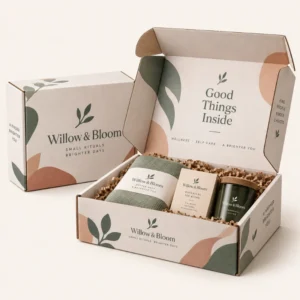
Subscription box packaging is the box, inserts and presentation that a subscription brand uses every month to deliver a curated set of products to its subscribers. It protects the products in transit, presents them in a planned order when the box is opened, and carries the brand through colour, print and small details that subscribers recognise at once. Good subscription box packaging makes a repeat delivery feel like an event, not just another parcel, and that feeling helps subscribers stay.
Why subscription box packaging matters every month
A one off parcel can be plain and still satisfy a customer, because the product itself is the surprise. A subscription parcel arrives again and again, so the packaging becomes part of the product. Subscribers judge the box before they judge the contents, they photograph it, they share it, and they compare this month with last month. A box that looks and feels consistent, yet still offers a small seasonal change, rewards that attention and gives subscribers a reason to look forward to the next delivery.
Packaging also solves a practical problem for subscription brands: the contents change. One month may contain a tall bottle, the next a flat book, the next several small items. A well designed mailer box with flexible inserts can handle that variation without needing a new box size every month. Dividers, trays, tissue and paper cushioning can be adjusted, while the outer box stays the same, which keeps packing simple, keeps stock simple and keeps the brand recognisable.
Finally, subscription packaging affects cost and sustainability over many cycles. A box that is too large wastes board, cushioning and delivery space every month. A box that is too weak leads to damage and replacements every month. A box that is right sized, strong enough and easy to recycle gives a better result on all three counts, and it shows subscribers that the brand has thought about waste, not only about appearance.
The mailer box as the core of the pack
Most subscription brands use a mailer box, which is a corrugated box with a self closing lid that opens like a book or a pizza box, revealing the contents at once. The lid can be printed inside, so the first thing a subscriber sees is a message, a pattern or a brand colour, rather than plain board. The box should close firmly without excessive tape, open easily without tearing, and hold its shape when carried by the lid or by the sides. A tear strip can help easy opening, but it must not weaken the box in transit.
Inside print, outside print and first impressions
Outside print is seen on the doorstep and in photographs before opening, so it should be bold, clear and recognisable, even from a distance. Inside print is seen at the moment of highest excitement, when the lid lifts, so it can carry a welcome message, a theme for the month, or simple instructions. Keep outside print simple enough that the address label remains clear, and use inside print for detail. A subscriber who sees a thoughtful inside message is more likely to feel that the box was designed for them, not just for shipping.
Designing subscription box packaging for different products
Beauty, food, books, crafts, pet products and wellness products all need different internal layouts, even when the outer box is similar. Beauty products need upright sections and leak protection for liquids. Food products need separation between strong flavours and, where required, food safe materials and clear labelling. Books need a snug fit that protects corners and spines. Craft kits need compartments so small parts do not mix. Pet products need strong board for heavier items and easy opening for the owner.
Start design with the largest and most fragile item in a typical month, then work around it. Place that item in a fixed position, add cushioning or a divider around it, and arrange smaller items around it in a planned order, with the most photogenic item on top where possible. That planned order matters for unboxing photographs, because subscribers often photograph the box as opened, before removing items. A tidy first view encourages sharing, while a jumbled first view can make even good products look careless.
Seasonal changes can be made without changing the box structure. A different inside print, a seasonal tissue colour, a themed insert card or a small seasonal extra can refresh the experience while keeping the same die and the same packing routine. This approach saves tooling cost and avoids retraining packers every month, while still giving subscribers something new to notice. Keep seasonal changes to one or two elements, so the box remains recognisable.
Inserts, tissue and finishing details
Inserts do more than fill space. A printed card can explain each product, suggest how to use it, and tell the subscriber what is coming next month. Tissue paper adds colour and a sense of care, and it can wrap a fragile item at the same time. A small sticker can seal tissue, close the box or mark a seasonal edition. Ribbons look attractive, but they can snag in sorting, so use them inside the box rather than on the outside for postal deliveries.
Keeping inserts useful, not wasteful
Subscribers quickly notice inserts that add no value. A card that explains products, a recipe, a usage guide or a discount for a future purchase is useful and likely to be kept. A pile of loose leaflets that repeat the same message is likely to be recycled unread. Choose one main insert per month, make it clear and attractive, and keep other details on the box itself or on a single card. Paper based inserts are easier to recycle with the box than plastic inserts.
Ordering, lead times and packing subscription box packaging
Order subscription packaging by thinking in cycles, not in single months. Estimate how many subscribers you will have at the next three delivery dates, add a small allowance for growth and replacements, and order to that total, rather than ordering month by month. That approach gives a consistent box across months and avoids running out before a delivery date. Keep a sample of each box and insert, so you can check print and fit before a large run is packed.
Lead times matter for a repeat schedule. Standard lead times after final artwork approval are 10 to 14 working days, corrugated lead times are 12 to 15 working days, and rigid or specialist lead times are 13 to 16 working days. Those times are production times after artwork is approved, not guaranteed delivery dates, so approve artwork early and build a buffer before each delivery date. If you change artwork seasonally, approve the seasonal version at the same time as the main version where possible, to avoid a rush.
Packing for a subscription run should be done in a clear sequence: fold boxes, place inserts, add products in the planned order, add tissue or cushioning, close and seal, then label. Check a completed box from each batch against a photograph of the intended layout, so packers can see the standard. You can see subscription boxes for different subscription types and you can see subscription boxes UK for UK based brands. For a branded design, you can request a custom quote for subscription packaging and you can read the delivery information page for lead times.
Testing a subscription pack before launch
Before launch, pack a complete box exactly as a subscriber would receive it, seal it, and send it through a normal delivery route to yourself or a colleague. Open it as a subscriber would, photograph the first view, and check for movement, damage, leaks or crushed items. Repeat the test after any change to products, inserts or box size. A test parcel costs little and reveals problems that are expensive to fix after hundreds of boxes have been sent.
Sustainability and recycling for repeat deliveries
Subscribers receive packaging every month, so sustainability is visible and cumulative. Choose corrugated board that can be recycled through normal paper recycling, use paper based inserts and tissue, and avoid mixed materials that make recycling harder. Add a short recycling note inside the lid, so subscribers know how to dispose of each part. If you offer a return or reuse scheme, explain it clearly on the insert, because a scheme that subscribers do not understand will not be used.
Frequently asked questions
1. What is the best box style for subscription packaging? A mailer box with a self closing lid is popular, because it opens to reveal contents at once and suits inside print. Choose board strength by product weight and fragility.
2. How do I handle contents that change every month? Use a consistent outer box with flexible inserts, dividers and tissue that can be adjusted for different products, rather than changing box size every month.
3. Should I print inside the box? Inside print is valuable for subscriptions, because it is seen at the moment of opening. Use it for a welcome message, a monthly theme or simple instructions.
4. How far ahead should I approve artwork? Approve artwork early, allowing for standard lead times after final approval, plus a buffer before your delivery date. Seasonal artwork should be approved alongside main artwork where possible.
5. How can I make subscription packaging more sustainable? Use recyclable corrugated board, paper based inserts, and a short recycling note inside the lid. Keep inserts to one useful card per month rather than many leaflets.