
royal mail postage boxes
Showing the single result
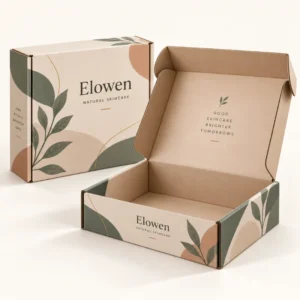
Royal mail postage boxes are a range of postal boxes sized so that finished parcels fit Royal Mail size and weight bands, from slim large letter boxes to deeper small parcel and medium parcel boxes. Sellers who post a mix of products usually need more than one size, because a single box will be too large for small orders and too small for larger ones. A practical range of royal mail postage boxes keeps packing quick, protects each order properly and helps parcels stay in the band the seller intended, rather than drifting into a larger band through excess cushioning or a poor fit.
Building a range of royal mail postage boxes
Look at your last few months of orders and group them by finished parcel size, not by product name alone. A single cosmetic item, a book and a gift set may each need a different box, even if they sell at a similar value. Most sellers find that three or four sizes cover the majority of orders, with a slim box for flat items, a medium box for everyday parcels and a deeper box for gift sets or multi item orders. Keeping the range small also makes storage simpler, because flat packed boxes in a few sizes stack neatly and are easier for a packing team to find.
Flat boxes for large letter parcels
A flat postal box, sometimes called a large letter box, is designed to stay within the large letter limits of 35.3cm in length, 25cm in width, 2.5cm in thickness and 750g in weight. That slim profile suits items such as a paperback, a thin gift, a small accessory or a set of cards, provided the finished parcel, including any sleeve or tissue paper, still fits the thickness limit. Thickness is the limit most often missed, because a small amount of cushioning or a raised closure can push a parcel over 2.5cm. Test the finished parcel flat, with the contents inside, before you rely on a slim box for a product.
When a flat box is the wrong choice
A flat box stops being the right choice when the item needs depth for protection, when it has a raised lid or a bulky shape, or when the contents could be bent by pressure from other parcels. In those cases a deeper small parcel box gives the cushioning room the item needs and avoids forcing a lid closed over contents that are too thick. Forcing a box closed can damage the item, split a seam and create a parcel that still measures over the limit because it bulges in the middle.
Deeper boxes for small and medium parcels
A small parcel box allows a finished parcel up to 45cm by 35cm by 16cm and up to 2kg, which covers a wide range of everyday orders such as cosmetics sets, clothing folded into a gift box, small electronics and multi item orders. A medium parcel box allows up to 61cm by 46cm by 46cm and up to 20kg, which suits larger gift sets, footwear boxes and bulkier orders. For each size, check the finished parcel rather than the empty box, because cushioning and an outer label can add both size and weight. A range that respects those limits keeps postage predictable for the seller and avoids surprises for the customer.
Materials, printing and storage for royal mail postage boxes
Corrugated cardboard is the standard material across royal mail postage boxes because it balances strength, weight and cost across many sizes. Single wall board is enough for light parcels and for items that are sturdy in themselves, while double wall board is the safer choice for heavy, fragile or high value orders that will be stacked under other parcels. Kraft board suits a natural, plain presentation, while white board gives a brighter surface for printed branding. Store flat packed boxes in a dry place, away from damp and direct heat, so the board stays flat and the boxes fold cleanly when they are needed.
Printing a range without confusing the packing bench
Printed boxes can carry a logo, a short brand message and simple handling guidance, and a consistent design across sizes helps customers recognise repeat orders. Keep the address label area clear on every size, and avoid placing a bold design element where a label or a barcode will sit. If several sizes share the same print, mark the size discreetly on the inside or on the packing list, so the packing team can tell sizes apart at a glance. A range that looks consistent on the outside and is easy to identify on the inside packs faster and with fewer mistakes.
Keeping a packing routine consistent across sizes
Set out the boxes, cushioning, labels and tape in size order, and pack each order in the same sequence: wrap the item, place it centrally, fill the remaining space, seal the box and label it straight away. A routine like this works across the whole range, because the steps stay the same even when the box size changes. Train new packers on the smallest and the largest size first, so they learn both a snug fit and a deeper fill, and check a packed sample from each size before a busy period.
Ordering royal mail postage boxes in quantity
Ordering a range in sensible quantities means balancing storage space against the risk of running out of a popular size during a busy week. A size that sells steadily deserves a larger stock, while a size used only for occasional gift sets can be ordered in a smaller quantity. Custom printed corrugated boxes take 12 to 15 working days after final artwork approval, and standard formats take 10 to 14 working days, and these figures describe production time only and are not a guaranteed delivery date. Share your order history by size, the typical weight of parcels in each size and any branding you want across the range when you ask for a quote, so the boxes are made to fit your real orders.
Checking the range before you commit
Pack a sample order in each size, measure and weigh every finished parcel, and compare the results with the Royal Mail bands you intend to use. A sample test often shows that one size is used far less than expected, or that two sizes are so close that one of them can be dropped. The Royal Mail small parcel guide sets out current maximum size and weight limits for a small parcel, which is a useful check alongside your own measurements. For related packaging, see postal boxes, brown postal boxes and bespoke postal boxes. You can request a quote and read the delivery information page for planning.
Frequently asked questions
How many sizes of royal mail postage boxes do I need?
Most sellers need three or four sizes: a slim box for flat items, a medium box for everyday parcels and a deeper box for gift sets or multi item orders. Group your recent orders by finished parcel size to find the sizes that cover most of your range.
What is the difference between a large letter box and a small parcel box?
A large letter parcel must be no more than 35.3cm by 25cm by 2.5cm and no more than 750g, while a small parcel allows up to 45cm by 35cm by 16cm and up to 2kg. The small parcel box therefore gives far more depth for cushioning and bulkier items.
Can royal mail postage boxes be printed with my branding?
Yes. A consistent printed design across sizes helps customers recognise your brand, provided you leave a clear, flat area for the address label on every size.
Should I choose kraft or white board for postage boxes?
Kraft board suits a natural, plain presentation and works well with simple print, while white board gives a brighter surface for full colour branding and a crisp label. Choose the board that matches your brand and your label style.
How long does production take after artwork approval?
Corrugated formats take 12 to 15 working days and standard formats take 10 to 14 working days after final artwork approval. These figures describe production time only and are not a guaranteed delivery date.