
bespoke postal boxes
Showing all 2 results
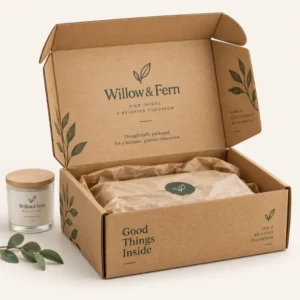

bespoke postal boxes are boxes made to the exact size of the item being posted, with a structure and closure suited to delivery. They keep parcels within a sensible size, protect contents through sorting and handling, and give a branded finish that a plain stock box cannot match. For businesses that post regularly, a well sized postal box can reduce damage, filler and wasted space in every parcel.
Why bespoke postal boxes help regular senders
Postal costs and handling are closely linked to size and weight. An oversized box can push a parcel into a higher size band, while a box that is too small can crush contents or burst at the seams. A bespoke size, based on the actual product plus a sensible allowance for protection, keeps the parcel compact without compromising safety.
Presentation also matters in postal packaging. A customer who receives a tidy, branded box is more likely to trust the sender and to open the parcel with confidence. A box that arrives dented, taped over many times or filled with loose filler gives a poor first impression, even if the product inside is undamaged.
Letterbox formats and size bands
Many small items, such as books, cosmetics, stationery and small gifts, suit a slim postal box that can fit through a letterbox. That format avoids a missed delivery and a trip to collect a parcel, which customers appreciate. When designing for a letterbox, measure the packed thickness carefully, including any insert, tissue or protective layer, and test the finished parcel rather than relying on the empty box dimensions alone.
Checking thickness before ordering
Pack a sample exactly as a customer parcel would be packed, then measure length, width and thickness at the thickest point. Check that closures sit flat and that no part of the contents presses against the box wall in a way that could cause damage. If the parcel is close to a size limit, a slightly slimmer insert or a different arrangement inside the box may bring it comfortably within the limit.
Materials and closures for postal use
Corrugated board is the most common choice for postal boxes because it resists crushing and absorbs knocks during sorting and transit. Kraft board gives a natural look and suits lighter items, while white card gives a clean surface for bright print. For heavier items, a stronger corrugated grade or a double wall construction may be needed, especially if parcels are stacked.
Closures should be secure but easy to open. A self sealing strip gives a clean, tape free finish for many postal boxes, while a tuck style tab suits lighter formats. A tear strip can make opening easier, but it should be positioned so it does not cut across important print or weaken a load bearing panel. Always test the closure after packing a full, realistic parcel.
Protection inside the postal box
Internal protection should match the product. A shaped insert holds a single item firmly, dividers separate sets, and a simple corrugated pad can protect a flat item from bending. Avoid filling a box with loose material when a fitted insert would do the job more neatly. The goal is a parcel that does not rattle, does not shift and opens to reveal the product in good condition.
Print and branding for bespoke postal boxes
Postal boxes offer a useful branding surface, but print must leave clear space for a delivery label, return address and any handling marks. Place the main branding where it will be seen on arrival, usually on the top or the largest panel, and keep essential delivery areas free of dense artwork. A simple logo, brand colour and short message often works better than a busy design that competes with the label.
Consider printing inside the lid as well. A short thank you note, a care instruction or a reminder about returns can be read at the moment of opening, when the customer is most engaged. Interior print also adds a sense of care without increasing the external size of the parcel.
Artwork, proofing and ordering
Supply artwork with brand colours clearly specified, and check the proof for label space, fold positions and closure areas. Confirm that text remains legible at the printed size and that no important wording sits across a fold. If you post in several sizes, keep the design system consistent, so customers recognise parcels from your business at a glance.
Keep a record of each postal size, including the product it serves, the board grade and the insert used. That record makes reorders straightforward and helps you spot when a product change, such as a new lid or a larger variant, means a box size should be reviewed. Small product changes can quietly push a parcel over a size limit if the box is not checked.
Lead times after artwork approval
For standard boxes, allow 10 to 14 working days after final artwork approval. Corrugated boxes usually take 12 to 15 working days, and rigid or specialist boxes usually take 13 to 16 working days. These are production lead times, not a guaranteed delivery date. Order in good time before peak posting periods, and keep buffer stock of your most used postal size.
Ordering bespoke postal boxes from Personalized Mailer Boxes
Share the items you post, their packed dimensions and how often you send them, and request a quote for boxes built around that posting pattern. You can explore related options through bespoke shipping boxes and bespoke ecommerce packaging, browse the range in the shop, and check delivery details on the delivery information page. When you are ready, send your sizes through the get a quote page.
Frequently asked questions about bespoke postal boxes
What is the difference between a postal box and a shipping box?
A postal box is usually sized for standard postal and letterbox delivery, while a shipping box may be larger and stronger for courier and freight handling. Many businesses use both, choosing the format that fits the item and the delivery route.
Can bespoke postal boxes fit through a letterbox?
Yes, slim formats can be designed for letterbox delivery, provided the packed parcel, including inserts and protection, stays within the relevant thickness limit. Always test a fully packed sample before ordering.
Which material is best for postal boxes?
Corrugated board is a popular choice for postal use because it is strong, light and protective. Kraft board and white card suit lighter items and particular brand looks.
Do postal boxes need inserts?
Inserts are useful for fragile items, sets and products that move easily inside a box. They hold contents in place and reduce the need for loose filler.
How long do bespoke postal boxes take after artwork approval?
Standard boxes usually take 10 to 14 working days after final artwork approval, corrugated boxes 12 to 15 working days, and rigid or specialist boxes 13 to 16 working days.