
postage packaging boxes
Showing the single result
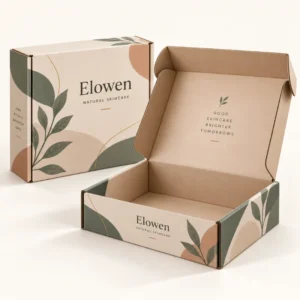
Good postage packaging boxes work as a system, not as a single item. The box, the cushioning, the tape, and the label all have a job to do, and a weakness in any one of them can undo good work in the others. When the system is right, parcels arrive intact, look professional, and are easy for the recipient to open and, if needed, to return.
What postage packaging boxes include beyond the box
A complete postal package starts with a box that fits the product, but it does not end there. Cushioning protects against impact and movement, void fill stops items shifting, tape keeps seams closed, and a clear label ensures sorting and delivery. For fragile products, individual wrapping is also part of the system, because items that touch each other can damage each other even inside a strong box.
Think about the journey in stages. The parcel is packed, sealed, collected or dropped off, sorted, transported, sorted again, and delivered. At each stage it may be stacked, turned, or placed with other parcels. Packaging that only looks good on the packing table may fail later, so test the full system with a sample parcel before using it for regular orders.
Choosing cushioning and void fill
Cushioning should match the product. Bubble wrap suits fragile and irregular items, because it wraps closely and absorbs impact. Packing paper suits items that need light protection and a recyclable fill. Foam inserts suit products with a fixed shape, such as electronics accessories or gift sets, because they hold the item in place. Tissue paper suits presentation led orders, where the opening experience matters as much as protection.
Balancing protection and parcel size
Too little cushioning lets items move and break, while too much cushioning can bulge the box and push the parcel into a larger size band. The balance is a snug fit: items held firmly, gaps filled, and the lid closing flat without force. If you need a large amount of void fill to stop movement, the box is probably too large for the product.
Sealing, labelling, and presentation
Sealing should be thorough but tidy. Use strong packing tape along the main seam and across the ends, and make sure tape adheres fully to clean, dry board. Avoid tape that lifts at the corners, because a loose seam can catch during sorting and tear. Labelling should be on the largest flat face, with no folds or tape over barcodes, and with old labels removed if a box is reused.
Presentation that still protects
Presentation and protection can work together. A printed mailer box gives a branded outer finish without extra gift wrap, while tissue and a simple insert card give a thoughtful opening experience inside. Keep inserts flat and light, so they do not add bulk or move the product out of position. A parcel that opens well and protects well gives a better impression than a parcel that looks impressive but arrives damaged.
Packaging systems for different products
Different products need different systems. Clothing and soft goods need a clean box or mailer, light tissue, and a size that keeps garments folded flat. Books and prints need a slim, rigid mailer that keeps them flat and prevents bending. Cosmetics need individual protection for bottles and jars, plus void fill to stop leaking or breakage if a container is damaged. Small electronics need anti static considerations where relevant, plus cushioning that stops movement and protects screens and connectors.
For multi item orders, pack heavier items at the bottom, lighter items on top, and fragile items separated by dividers or individual wrapping. Fill gaps at the end, so the top layer does not shift when the box is turned. For returns, choose a box that can be opened without tearing, and include simple return instructions inside, so the customer can repack with the same system.
Printed packaging boxes are made to order, so allow production time. Standard printed orders are usually completed in 10 to 14 working days after final artwork approval, corrugated orders in 12 to 15 working days, and rigid or specialist orders in 13 to 16 working days. Those times are production guidance after artwork approval, not a guaranteed delivery date. Plain boxes suit urgent or varied orders, while printed boxes suit repeat orders where presentation is part of the brand.
For workplace recycling guidance on paper and card packaging, check the GOV.UK workplace recycling guidance. To browse options, visit the shop for postal and mailer boxes. For a tailored packaging system, use the request a quote for custom boxes page. Related guidance is available on postage cardboard boxes and board types and postage boxes wholesale for larger orders.
Frequently asked questions about postage packaging boxes
What is included in a postage packaging system?
A postage packaging system includes the box, cushioning, void fill, tape, and label, plus individual wrapping for fragile items where needed. Each part protects the parcel and helps it arrive in good condition.
How much void fill should I use?
Use enough void fill to stop items moving, without forcing the box out of shape. If the lid will not close flat, the box is overfilled or too small, and a different size is needed.
Should I use bubble wrap or packing paper?
Bubble wrap suits fragile and irregular items, while packing paper suits light protection and a recyclable fill. Choose the material that holds the specific product firmly without adding unnecessary bulk.
Can printed boxes replace gift packaging?
Printed boxes can replace separate gift wrap for many orders, because the box itself carries the brand design. Add tissue or an insert card inside for a thoughtful opening experience, without adding bulk.
How do I make returns easier with packaging?
Choose a box that opens without tearing, include clear return instructions, and pack so the customer can reuse the same box and cushioning. A simple return system reduces damage and improves customer trust.