
postage cardboard boxes
Showing the single result
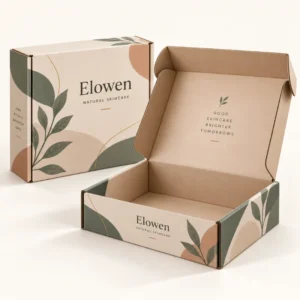
Most parcels sent by post travel in postage cardboard boxes, because corrugated cardboard is light, strong, and easy to shape, print, and recycle. The material is not all the same, though. Board type, fluting, paper grade, and finish all affect how well a box protects its contents, how it looks on arrival, and how it behaves when stacked or handled several times.
What postage cardboard boxes are made from
Corrugated cardboard is made from a wavy layer of paper, called fluting, glued between flat layers called liners. The fluting creates air pockets that absorb impact and give the board its crush resistance, while the liners give a smooth surface for printing and labelling. Changing the number of fluted layers changes the strength of the board, which is why the same size box can feel very different depending on the board used.
Paper grade also matters. Kraft board is made from virgin paper fibres and is known for strength and a natural brown finish. Test board is made from recycled fibres and is widely used for everyday postal boxes. Many boxes combine kraft and recycled layers to balance strength, appearance, and sustainability. The choice depends on the product, the level of print required, and the image a brand wants to present.
Single wall, double wall, and triple wall board
Single wall board has one layer of fluting between two liners. It suits light items such as clothing, soft accessories, stationery, and documents in a rigid box. It is light to post, easy to store flat, and usually enough when contents are not fragile and parcels will not be stacked heavily.
Double wall board has two layers of fluting and three liners. It suits heavier items, fragile goods, and parcels that may be stacked during storage or delivery. The extra layer adds crush resistance and helps the box keep its shape when other parcels rest on top of it. Triple wall board has three layers of fluting and suits very heavy or bulky items, although it adds weight and is rarely needed for everyday postal orders.
Choosing board by weight and fragility
Use weight and fragility together, not weight alone. A light but fragile item such as a glass candle holder may need double wall board and careful cushioning, while a heavier but robust item such as folded textiles may travel well in single wall board. If in doubt, test pack the product and check for dents, bulges, and movement after handling.
Fluting profiles and print surfaces
Fluting comes in different profiles, described by letters such as B flute and E flute. A finer flute gives a smoother surface that suits detailed print, while a coarser flute gives greater cushioning and stacking strength. For a printed mailer box, the flute profile affects how crisp the print looks and how the box feels in the hand. For a plain postal box, strength and weight are usually the main considerations.
Kraft, white, and printed finishes
Kraft board gives a natural, understated look and suits artisan, eco friendly, and everyday brands. White board gives a bright surface that suits gift and premium posted presentation, and it shows print colours clearly. A printed finish can carry a logo, a pattern, or simple brand colours, turning a plain postal box into part of the customer experience.
Sizes, styles, and uses for cardboard postal boxes
Cardboard postal boxes come in many styles. Standard cartons suit general orders and storage. Mailer boxes with a tuck in lid suit gift and posted orders and give a tidy opening experience. Book wrap mailers suit flat items such as books, prints, and documents, because they fold around the contents and reduce empty space. Cube boxes suit candles, mugs, small gift sets, and other products that need even protection on every side.
Size choice follows the same rule for every style: choose the smallest box that fits the wrapped item plus cushioning. An oversized box wastes void fill, lets contents move, and may push the parcel into a larger postal band. An undersized box bulges, stresses the seams, and risks splitting. Measure the wrapped item, allow cushioning on every side, and check the packed size before posting.
Printed cardboard boxes are made to order, so allow production time. Standard printed orders are usually completed in 10 to 14 working days after final artwork approval, corrugated orders in 12 to 15 working days, and rigid or specialist orders in 13 to 16 working days. Those times are production guidance after artwork approval, not a guaranteed delivery date.
For workplace recycling guidance on paper and card, check the GOV.UK workplace recycling guidance. To browse options, visit the shop for postal and mailer boxes. For a tailored board or print, use the request a quote for custom boxes page. Related guidance is available on postage packaging boxes and packing systems and postage boxes for UK sending.
Frequently asked questions about postage cardboard boxes
What is corrugated cardboard?
Corrugated cardboard is paper board made from fluting glued between flat liners. The fluting gives crush resistance and cushioning, while the liners give strength and a surface for print and labels.
When should I choose double wall board?
Choose double wall board for heavier items, fragile goods, and parcels that may be stacked. Single wall board is usually enough for light, non fragile items in a well packed box.
Are cardboard postal boxes recyclable?
Most clean, dry corrugated cardboard boxes are recyclable. Remove non cardboard inserts, tape, and labels where practical, flatten the box, and follow local recycling guidance for paper and card.
What is the difference between kraft and white board?
Kraft board has a natural brown finish and is known for strength, while white board has a bright finish that suits retail presentation and clear print. Both can be used for postal boxes, depending on the brand and product.
Can cardboard boxes be printed?
Yes, cardboard boxes can be printed with logos, colours, and patterns. Printed boxes are made to order, so allow time for artwork approval and production.