
postage boxes wholesale
Showing the single result
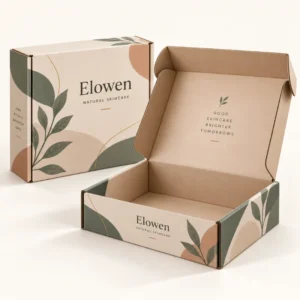
Buying postage boxes wholesale is about more than ordering a larger quantity. It is about choosing sizes that suit your products, keeping stock under control, and making packing faster and more consistent across every order. A good wholesale plan reduces repacking, cuts waste from oversized boxes, and gives customers parcels that look the same time after time.
How postage boxes wholesale ordering works in practice
Wholesale ordering usually means buying boxes in packs or in larger quantities than a single retail pack. Boxes are often supplied flat packed, which saves storage space and makes delivery and handling easier. Before ordering in bulk, test the box with your actual products. Pack a sample order exactly as you would for a customer, including cushioning, tape, and label placement, and check that the box closes flat and the contents do not move.
Sampling matters because a box that looks right on a size chart may behave differently once it is filled. A fragile product may need more cushioning than expected, which can push you to the next size up. A heavy product may need double wall board, even if a single wall box fits. A product with an irregular shape may need a cube box or a mailer with a specific internal layout. Testing a small number first avoids committing a large order to the wrong size.
Standardising sizes for bulk packing
Standardising sizes is one of the biggest gains from wholesale buying. Instead of keeping a different box for every product, choose a small set that covers your range. A slim size can cover flat products, a medium size can cover everyday orders, and a larger size can cover multi item orders. Packing staff learn those sizes quickly, labels sit in predictable places, and stock counts become simpler.
Reviewing sizes as products change
Review your standard sizes when products change, when packaging changes, or when damage reports increase. A size that worked for a previous product range may not suit a new range. A short review every few months, based on packing notes and customer feedback, keeps your wholesale stock aligned with what you actually send.
Quantities, storage, and stock control
Quantity planning starts with your sending volume. Look at how many parcels you send in a typical week and month, and how many boxes you use for each product. Allow for seasonal peaks, but avoid over ordering a size you rarely use. Flat packed boxes stack well, but they still need dry storage away from damp, direct heat, and heavy loads that can crush the bottom of a stack.
Keeping wholesale stock in good condition
Store boxes flat, on pallets or shelving where possible, and rotate stock so older boxes are used first. Keep boxes away from damp walls and floors, because moisture weakens corrugated board and can affect print quality. Label storage bays by size and board type, so packing staff can find the right box without opening several packs.
Print, branding, and lead times for bulk orders
Wholesale boxes can be plain or printed. Plain boxes suit varied products, mixed orders, and businesses that change products often. Printed boxes suit businesses with a stable product range and a clear brand, because the box itself carries the design and reduces the need for separate outer packaging or additional branding materials. Printed boxes also give a consistent unboxing experience, which matters for repeat customers and for gifts.
Printed orders are made to order, so production time must be planned. Standard printed orders are usually completed in 10 to 14 working days after final artwork approval, corrugated orders in 12 to 15 working days, and rigid or specialist orders in 13 to 16 working days. Those times are production guidance after artwork approval, not a guaranteed delivery date. Order printed stock before your current stock runs low, so packing does not pause while a new print run is produced.
For workplace recycling guidance on cardboard and other dry recyclable materials, check the GOV.UK workplace recycling guidance. To browse options, visit the shop for postal and mailer boxes. For a bulk or printed order, use the request a quote for custom boxes page and describe sizes, quantities, and print. Related guidance is available on postage packaging boxes and packing systems and delivery information for orders.
Frequently asked questions about postage boxes wholesale
How many wholesale boxes should I order first?
Order enough to cover a realistic period of sending, based on weekly parcel volume, without over ordering a size you rarely use. Test a sample first, then order a quantity that matches your standard sizes and storage space.
Are wholesale boxes supplied flat packed?
Many wholesale boxes are supplied flat packed, which saves storage space and makes handling easier. Check the supply format before ordering, so you can plan storage and assembly time.
Should wholesale boxes be plain or printed?
Plain boxes suit varied products and changing ranges, while printed boxes suit stable ranges where branding and consistent presentation matter. Printed boxes need production time after artwork approval, so plan ahead.
How do I store bulk boxes?
Store boxes flat in a dry place, on shelving or pallets, away from damp and heavy stacking. Rotate stock so older boxes are used first, and label bays by size and board type.
Can I change sizes after a wholesale order?
You can change sizes on a future order, but a bulk order commits you to the sizes chosen. Sampling first and standardising on a small set of sizes reduces the risk of holding stock that does not suit your products.