
postage boxes
Showing the single result
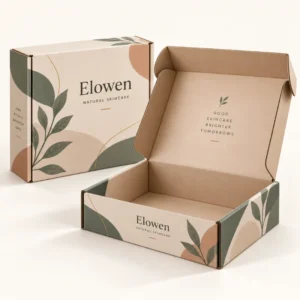
Postage boxes are the workhorse of online selling, gift sending and everyday dispatch, giving a sturdy, sealable and labellable home to almost anything that needs to travel by post or courier. They range from small boxes for jewellery and cosmetics to large boxes for shoes, toys and multi item orders, and they are usually made from corrugated card that balances strength, light weight and recyclability. The right postage boxes protect the contents, keep parcels within a predictable size band, and present a neat parcel that reflects well on the sender.
Why postage boxes matter for every sender
A parcel is handled many times between packing bench and doorstep, through sorting, loading, transport and final delivery. A good postage box absorbs that handling, holds its shape when stacked, and keeps the contents from shifting, crushing or breaking. A poor box, by contrast, can split, crush or open, even when the contents were wrapped with care. For a business, that damage means a return, a replacement, a refund and a customer who may not order again. For a personal sender, it means a gift that arrives spoiled. Choosing a proper postage box is therefore one of the simplest ways to protect both the item and the relationship with the recipient.
Postage boxes also help a sender work efficiently. A consistent range of sizes makes packing faster, because the packer knows which box fits which product without measuring every time. Consistent boxes also make weighing, labelling and storage simpler, and they give repeat customers a familiar unboxing experience. Whether you send one parcel a month or hundreds a week, a clear box system saves time and reduces mistakes.
Who uses postage boxes
Postage boxes are used by online shops, marketplaces sellers, subscription services, gift sellers, book sellers, beauty brands, craft makers, offices and personal senders. An online shop may use the same few sizes for most orders, a subscription service may use a branded mailer that doubles as a postage box, and a personal sender may use a single sturdy box for a birthday gift. The needs differ, but the basics stay the same: a box that fits, a board that protects, a closure that holds, and a label that scans.
Choosing a range, not just a single box
Most senders benefit from a small range rather than a single size. A small box suits single light items, a medium box suits most everyday orders, and a larger box suits multi item orders or bulky products. A flat box can cover books and prints, while a deeper box can cover shoes and gift sets. Start with the products you send most often, record their packed sizes, and choose boxes that cover those products with room for cushioning. Add a new size only when an existing size regularly forces a compromise, such as excessive filler or a tight fit.
Types, materials and strength of postage boxes
Standard postal boxes have four flaps and suit most parcels, while mailer boxes with a tuck or crash lock closure suit posted orders that need a neat opening, a secure seal and a flat surface for the delivery label. Flat postal boxes suit books, prints and documents, and long boxes suit bottles, rolled items and tall products. Some boxes have a peel and seal strip for fast packing, while others rely on tape alone. The best type depends on the product, the packing speed needed, and whether the box itself forms part of the customer experience.
Material choice usually comes down to corrugated card. Single wall board has one fluted layer and suits light and compact items. Double wall board has two fluted layers and suits heavier items, fragile goods and parcels that will be stacked. White board gives a clean, bright look that suits printed branding, while brown kraft board gives a natural, practical look that suits everyday dispatch. Both can be printed, both are widely recyclable, and both work well when the board strength matches the contents.
Packing postage boxes for safe delivery
Wrap fragile items individually, cushion every side including the base and the lid, and fill gaps so contents cannot shift. Place heavy items at the bottom, keep items away from corners where impact is most likely, and use paper, tissue or other suitable void fill to hold everything in place. Seal all seams with strong tape, place the label flat on the largest surface, and add a return address inside the box as a backup. Shake the sealed box gently before posting. If you feel movement, open it and add filler.
Branding postage boxes without harming protection
A printed logo, a short message or a coloured box can turn a parcel into a brand moment, but print should never weaken the box or hide the label. Keep the design simple, keep the label area clear, and test a printed sample in transit conditions before ordering in quantity. A clean box with a neat label often looks more professional than a busy design that is hard to read. For gifts, a simple printed message or a coloured box can add warmth without needing extra wrapping.
Ordering postage boxes
When you request a quote, share the products you send most often, their packed sizes and weights, the number of boxes you need in each size, and any print you want. If you send parcels regularly, a consistent range will save packing time and reduce errors. After final artwork approval, corrugated lead times are 12 to 15 working days. Treat that as a production guide rather than a guaranteed delivery date, and order early before seasonal peaks when dispatch volumes rise.
For Royal Mail size guidance, see the Royal Mail guide to sending small parcels. For related packaging on this site, see postage box guide for single parcels and postage box sizes explained. Browse the shop for packaging options and use the get a quote form for postage boxes to discuss sizes and quantity.
Frequently asked questions
What are postage boxes made from?
Most postage boxes are made from corrugated card, with a fluted layer between flat liners. Single wall board suits light items and double wall board suits heavier or fragile items.
How do I choose a postage box size?
Measure the wrapped item, add room for cushioning on every side, and choose the smallest box that still allows that cushioning. Test a packed sample before ordering in quantity.
Can postage boxes be printed?
Yes. A simple logo or short message usually prints well. Keep the label area clear and keep the design legible on a parcel in transit.
Are postage boxes recyclable?
Most corrugated postage boxes are recyclable through household recycling. Flatten the box and remove tape and labels where local guidance asks for that.
Do I need an outer box for fragile items?
Not usually, if the postage box is the right strength and the contents are wrapped and cushioned well. Add an outer box only for very fragile or valuable items that need extra protection.