
postage box
Showing the single result
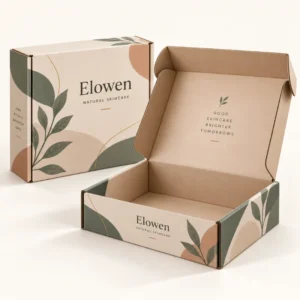
A postage box is a sturdy cardboard box made for sending an item through the post or by courier, with a secure closure and enough strength to protect the contents through sorting, transport and delivery. It differs from a storage box or a presentation box, because it is designed to be sealed, labelled and handled many times before it reaches the recipient. Choosing the right postage box means matching its size, board strength and closure to the item inside, so the parcel arrives in good condition and without unnecessary bulk.
What makes a good postage box
A good postage box holds its shape when stacked, closes without gaps, and resists the knocks and pressure that are normal in transit. Corrugated card is the usual material, because the fluted layer between two flat liners gives strength without adding much weight. The flaps should meet cleanly, the corners should feel firm, and the base should support the full weight of the contents without bowing. A box that feels soft, damp or worn at the folds is a poor choice for posting, even if it looks the right size.
Closure matters too. A postage box should be sealed along every seam with strong packing tape, not just along the centre seam. The label should sit flat on a clean surface, where it can be scanned easily, and it should not fold over an edge or cover a seam that could split. If the box will travel a long way or pass through several sorting stages, a second strip of tape along the edges adds useful security without adding much weight.
Types of postage box
Standard postal boxes have a regular shape with four flaps and suit most parcels, from books and cosmetics to toys and small homeware. Flat postal boxes, sometimes called book wraps or mailer boxes, suit flat items such as books, prints, documents and slim gifts that need edge protection without depth. Crash lock or tuck end mailers suit posted orders that need a neat opening experience, while still giving postal strength, with a secure seal and a flat surface for the delivery label. Long postal boxes suit rolled items, bottles and other tall products, provided the contents are cushioned and cannot move lengthways.
Single wall, double wall and board choice
Single wall board has one fluted layer and suits light and compact items that are not fragile. Double wall board has two fluted layers and suits heavier items, fragile goods and parcels that will be stacked under other parcels. Heavier board adds a little weight, but it can prevent crushing and reduce damage, which often matters more than saving a few grams. When choosing board, consider the weight of the contents, the fragility of the item, the distance it will travel and whether other parcels are likely to be stacked on top of it.
Choosing the right size postage box
Size is the decision most senders get wrong. A box that is too large allows contents to move, which causes damage even when the box itself survives. A box that is too small leaves no room for cushioning and can split at the seams when the contents press against the walls. The best fit is a box that holds the wrapped item with a layer of cushioning on every side, including the base and the lid, and still closes without force.
To find that fit, measure the item with its wrapping and cushioning, then compare those measurements with the internal dimensions of the box. Internal dimensions matter more than external dimensions, because the card thickness and the fold take up space. Test the fit with a packed sample before ordering in quantity, especially if you send the same product regularly. A sample test can reveal a tight fit, a weak corner or a closure problem that is easy to fix before a full order is placed.
Packing a postage box well
Wrap fragile items individually, cushion every side, and fill gaps so nothing can shift. Place heavy items at the bottom and lighter items on top, keep items away from the corners where impact is most likely, and use paper, tissue or other suitable void fill to hold everything in place. For liquids, seal the container in a bag as a precaution. For sharp items, protect the points and edges so they cannot pierce the box or damage neighbouring parcels. Once packed, shake the sealed box gently. If you feel movement, open it and add filler before posting.
Labelling and sealing tips
Write or print the address clearly, including the full postcode, and place the label on the largest flat surface of the box. Cover the label with clear tape if it could get wet, but do not cover a barcode, because that can make scanning difficult. Add a return address inside the box as well as on the outside, in case the outer label is damaged. Seal all seams, press the tape down firmly, and check that no flap can lift when the box is picked up by one side.
Ordering a postage box
When you request a quote, share the item size and weight, how many boxes you need, whether the contents are fragile or heavy, and any print you want. A consistent box size for repeat orders saves packing time and reduces errors. After final artwork approval, standard lead times are 10 to 14 working days and corrugated lead times are 12 to 15 working days. Treat those figures as production guides rather than guaranteed delivery dates, and order early if you need boxes for a launch or a seasonal peak.
For related packaging, see postage boxes for regular dispatch and postage box sizes explained. Browse the shop for packaging options to compare styles, and use the get a quote form for postage boxes to discuss size, quantity and print. For Royal Mail size guidance, see the Royal Mail guide to sending small parcels.
Frequently asked questions
What is the difference between a postage box and a storage box?
A postage box is designed to be sealed, labelled and handled in transit, with board strength and a closure suited to delivery. A storage box is designed mainly to hold items on a shelf, and it may not survive sorting and transport.
Should I use single wall or double wall board?
Use single wall board for light and compact items and double wall board for heavier, fragile or stacked parcels. Test a packed sample if you are unsure.
How much cushioning should I use?
Allow cushioning on every side, including the base and the lid, and fill gaps so contents cannot move. Fragile items need individual wrapping as well as void fill.
Can I reuse a postage box?
You can reuse a box only if it is still firm, dry and undamaged at the folds and corners. Remove old labels, reseal all seams with fresh tape, and do not reuse a box for fragile items if it has lost strength.
Where should I place the label?
Place the label flat on the largest surface of the box, where it can be scanned easily. Do not fold it over an edge or cover a barcode with tape.