
post office postage boxes
Showing the single result
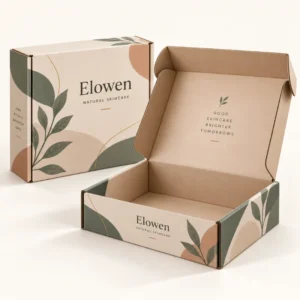
Post office postage boxes are boxes chosen for parcels that will be handed over at a Post Office branch or sent through Royal Mail, so they need to suit the size and weight bands used for UK posting as well as the handling a parcel receives in transit. The right box protects the contents, keeps the finished parcel within the intended size band, and presents a neat parcel that is easy to label and scan. This page is about the packaging type and how to choose it, not about stock sold by the Post Office itself.
How post office postage boxes relate to Royal Mail size bands
Royal Mail divides many items into bands based on size and weight, and the finished parcel, not just the empty box, must fit the band you intend to use. For a large letter, the maximum dimensions are 35.3cm by 25cm by 2.5cm with a maximum weight of 750g, which suits flat and slim items only. For a small parcel, the maximum dimensions are 45cm by 35cm by 16cm with a maximum weight of 2kg. A box that is only a little too deep or a little too heavy can move a parcel into the next band, so measuring the packed parcel matters more than measuring the empty box.
That is why many senders keep a small range of box sizes rather than one large box for everything. A slim box suits books, documents and flat gifts, a medium depth box suits cosmetics, small electronics and folded clothing, and a deeper box suits shoes, toys and multi item orders. Keeping the box close to the contents also reduces movement inside the parcel, reduces the amount of void fill needed, and helps the parcel hold its shape when other parcels are stacked around it.
Choosing a box for a Post Office drop off
When you plan to hand a parcel over at a branch, think about the journey before the counter as well as the journey after it. The box should be easy to carry, fully sealed before you arrive, and labelled clearly so staff can scan it without delay. If you are posting several parcels, use the same box sizes for similar orders where possible, because consistent sizes make packing, weighing and labelling faster and reduce mistakes. Keep a tape gun, labels and a pen with you if you need to make a last minute change at the counter.
Measuring the packed parcel correctly
Measure length, width and depth of the finished parcel at its widest points, including any bulge from cushioning, tape or a label pouch. Weigh the finished parcel, including the box, filler and contents, on scales that are accurate for the weight involved. If the parcel is close to a band limit, recheck it after sealing, because a box can expand slightly once filled. Record the size and weight for repeat orders, so the same product always uses the same box and the same posting band.
Strength, materials and packing for post office postage boxes
Most postage boxes are made from corrugated card, which combines light weight with good resistance to knocks and stacking. Single wall board suits light and compact items, while double wall board suits heavier items, fragile goods and parcels that may be stacked under other parcels. The board should feel firm when pressed at the corners, and the flaps should close without gaps. A box that feels soft or that has been used many times before is less reliable, especially for fragile or valuable contents.
Packing well matters as much as choosing the right box. Wrap fragile items individually, cushion every side including the base and the lid, and fill gaps so contents cannot shift. Place heavy items at the bottom and lighter items on top, keep liquids in a sealed bag where relevant, and seal all seams with strong tape. A neat, fully taped box is less likely to open in transit and easier for sorting staff to handle. Add a return address inside the parcel as well as on the label, in case the outer label is damaged.
What to send in different box depths
Slim boxes suit books, prints, documents, phone cases, slim cosmetics and flat gifts that need protection without depth. Medium depth boxes suit mugs, candles, folded garments, small toys and multi item orders that need cushioning around each item. Deeper boxes suit shoes, larger toys, gift sets and orders with several items packed together. If an item is tall rather than wide, check depth carefully, because depth is often the dimension that pushes a small parcel over its limit.
Common packing mistakes to avoid
One common mistake is using a box far larger than the contents and filling the empty space with loose paper that still allows movement. Another is reusing a box that has lost its strength at the folds or corners. A third is leaving a seam partly taped, which can split when the parcel is lifted by one flap. Take a moment to shake the sealed box gently. If you hear or feel movement, open it, add filler, and reseal it before posting.
Ordering post office postage boxes
When you request a quote, share the products you send most often, their packed sizes and weights, the number of boxes you need, and any print you want. If you send parcels every week, a consistent range of sizes will save time and reduce posting errors. After final artwork approval, corrugated lead times are 12 to 15 working days. Treat that as a production guide rather than a guaranteed delivery date, and order before a seasonal peak if your posting volume rises sharply.
For Royal Mail size guidance, see the Royal Mail guide to sending small parcels. For related packaging on this site, see postage boxes for everyday dispatch and postage box sizes explained. Browse the shop for packaging options and use the get a quote form for postage boxes to discuss size and quantity.
Frequently asked questions
What size box fits the Royal Mail small parcel band?
The finished parcel must be no larger than 45cm by 35cm by 16cm and no heavier than 2kg. Choose a box that leaves room for cushioning while keeping the packed parcel within those limits.
Can I post a parcel in any cardboard box at a Post Office?
Yes, provided the box is strong enough for its contents, fully sealed and correctly labelled. A damaged or very soft box is a poor choice for posting, even if it is the right size.
Should I use single wall or double wall board?
Use single wall board for light and compact items and double wall board for heavier, fragile or stacked parcels. When in doubt, test a packed sample by lifting and stacking it as it would be handled in transit.
How do I stop items moving inside the box?
Wrap items individually, cushion all sides, and fill gaps with paper or other suitable void fill. The sealed box should feel firm, with no obvious movement when shaken gently.
Do I need an outer box for a printed mailer?
Not usually, if the mailer itself is a proper postal box of the right strength. Add an outer box only if the mailer is a presentation box or if the contents are very fragile.