
extra large postage boxes
Showing the single result
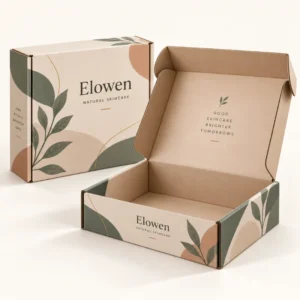
extra large postage boxes are a range of large corrugated postal boxes for businesses that regularly send bulky orders, such as homeware sets, clothing bundles, bedding, toy collections, and multi item orders packed into one parcel. They give packers a reliable large size to reach for, protect contents through handling and stacking, and can carry branding that keeps a large delivery looking professional. Choosing the right sizes from the range, rather than using one oversized box for everything, saves board, reduces void fill, and helps parcels stay within the intended carrier size band.
What extra large postage boxes cover as a range
A range matters because large orders are not all the same shape. One order may be long and narrow, such as rolled textiles or a set of posters with care. Another may be wide and shallow, such as a bedding set or a large cushion collection. A third may be tall and heavy, such as a set of books or a collection of jars packed with protection. A range with two or three large sizes lets packers match the box to the order group, rather than forcing every order into the same box and filling the gaps.
For a business sending large parcels every day, consistency is as important as strength. Boxes that arrive flat packed, assemble cleanly, and seal neatly help a packing team keep pace. Flaps that meet without a gap, a base that locks or tapes securely, and a label area that stays flat all reduce rework. When a box style changes, packers need to relearn folds and tape runs, so a stable range with clear size labels is worth protecting.
Branding across a range should also stay consistent. The same logo, colour, and handling message, scaled sensibly for each size, makes every parcel recognisable even when sizes vary. Inside print can be kept to one simple message across the range, so customers receive the same welcome and returns information whether they ordered a small bundle or a large homeware set. That consistency builds familiarity over repeat orders.
Order types that suit the large range
Homeware is a natural fit, because cushions, throws, bedding, lampshades with care, and tableware sets are bulky even when they are light. Clothing bundles, such as a full outfit collection or a seasonal wardrobe order, also suit large boxes, because folded garments fill a wide box neatly without creasing from tight packing. Toy and craft collections, with several boxes inside one outer box, benefit from room for dividers and padding that stop inner boxes rubbing together.
Subscription and gift businesses use large boxes for quarterly collections, hamper style sets, and multi product launches where the unboxing is part of the experience. In those cases, the outer box may be plain for transit, with branded tissue and a printed insert inside, or the outer box itself may carry the brand. Decide which approach suits the journey, because a heavily printed outer box that is scuffed in transit can look less premium than a clean transit box with a beautiful inside.
When to split an order into two parcels
Sometimes two medium parcels protect products better than one very large parcel. Split an order when the combined weight would make the box hard to lift safely, when fragile and heavy items would press together, or when the packed size would move into a much larger carrier band. Splitting also helps if one part of the order is time sensitive and the other part can follow. Note the split clearly for the customer so they do not worry when the first parcel arrives alone.
Board, strength and packing for extra large postage boxes
Board strength should be chosen for the heaviest order in each size group, not for the average order. A box that holds a light textile order easily may bow or crush when the same size is used for books or homeware. Double wall board gives extra stacking strength for heavy groups, while single wall board keeps weight and board use lower for light bulky groups. Keep the board choice recorded against each size, so a reordered box matches the original performance.
Packing a large box well takes a little more care than packing a small one. Heavy items should sit low and central, fragile items should be wrapped individually and kept away from corners, and gaps should be filled just enough to stop movement. A box that is packed loosely will allow items to shift and collide, while a box that is packed too tightly can strain seams and make the lid bulge. Aim for a firm pack that closes flat without forcing.
Sealing matters at this size. A full tape run along the base and the lid, with tape extending onto the side panels, gives a secure seal that resists opening in sorting. Where a self sealing lid is used, press the seal firmly along its full length and check the corners. A label placed over a tape seam can lift, so keep labels on a flat printed or unprinted area that was planned at artwork stage.
Print and presentation across large sizes
Print on a large box is visible from a distance, so clarity matters more than detail. A bold logo, a short brand line, and a handling note such as this way up where relevant, will read well on a doorstep and in a warehouse. Small text that looks fine on a screen can become hard to read at arm’s length, so check artwork at full size and from a few steps back. Colour should stay true across sizes, which means using the same board and print specification for the whole range where possible.
Inside presentation can turn a large transit box into a gift like experience. Branded tissue, a printed lid message, and items arranged in layers, with the most attractive item on top, help the customer enjoy unpacking a large order. Keep the packing list or returns note in a consistent place, and avoid hiding essential information under heavy items. A tidy inside also makes it easier for the customer to repack a return.
Keeping a large box range easy to reorder
Give each size a simple internal name, record its internal dimensions, board grade, and print specification, and keep a packed sample for each size on the packing bench. When a new team member starts, they can match an order to a sample box rather than guessing. When you reorder, share the same specification so the new batch behaves exactly like the last one.
Ordering extra large postage boxes in practice
Start by grouping your large orders. Measure and weigh a typical packed example from each group, note any fragile or awkward items, and choose the smallest large size that fits that group comfortably with padding. If one group varies widely, consider two sizes for that group rather than one size that is too large for most orders. A range that is reviewed after a peak period, with notes on damage and fill use, will improve over time.
After final artwork approval, corrugated production is 12 to 15 working days. That window should be included in seasonal planning, because large boxes take more storage space and are often needed in volume before a peak. Order a buffer for the most popular large size, and keep a small stock of plain large boxes for unexpected demand so branded stock is never used for an order it does not fit.
When you are ready to discuss sizes, board, and print, you can request a quote for large postage boxes, browse the full shop range, and check delivery information for custom orders. For a single large size, see extra large postage box for bulky items, and for slim parcels see flat postage boxes for slim parcels. For current parcel size guidance, see Royal Mail tracked service sizes.
Storage and warehouse handling for large boxes
Large flat packs need more floor and shelf space than small boxes, so plan storage before ordering in volume. Store packs flat, dry, and labelled by size, with the most used size closest to the packing benches. Keep packs off damp floors and away from heat sources, and avoid leaning large panels upright for long periods, because they can bend and then assemble unevenly.
Checking a delivery of large boxes
On delivery, open one pack from each size and check cutting, creasing, print alignment, and board quality. Assemble one box from each size and pack it with a typical order. If a batch differs from the sample, raise it before the boxes enter live packing, because a subtle change in board or crease can affect every order that follows.
Frequently asked questions
What is the difference between extra large postage boxes and a single extra large postage box?
The plural term covers the range of large sizes a business uses for different large order groups, while the singular term focuses on one large box for one bulky order. Most regular senders need a small range, not just one size, to avoid excess fill and poor fits.
How many large sizes should a shop stock?
Two or three large sizes cover most businesses, grouped by order type and shape. Start with your most common large orders, measure packed examples, and add a size only when a clear group of orders does not fit well in the sizes you already have.
Are extra large postage boxes suitable for fragile homeware?
Yes, with the right board and packing. Choose a board grade for the heaviest order in the group, wrap fragile items individually, keep them away from corners, and fill gaps just enough to stop movement. Test a packed sample before ordering in volume.
Can the range be custom printed consistently?
Yes. Use the same logo, colour, and print specification across sizes, scaled sensibly for each panel. Check artwork at full size for each box, and keep the label area clear and flat on every size.
How long does corrugated production take after artwork approval?
After final artwork approval, corrugated production is 12 to 15 working days. Build that window into seasonal and restock plans, and confirm timing at the quote stage for orders tied to a fixed date.