
flat postage boxes
Showing the single result
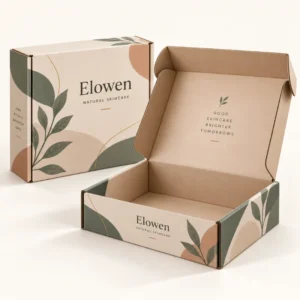
flat postage boxes are slim, rigid postal boxes designed for items that are flat or low in profile, such as books, documents, magazines, prints, slim electronics accessories, and small clothing items that can lie flat. They protect the contents from bending and scuffing, fit through a letterbox where the size band allows, and avoid the bulk of a deep parcel box. For sellers of flat products, they are often the most efficient way to post, because they use less board, need less void fill, and can be delivered without the customer needing to be at home.
What flat postage boxes are best for
The defining feature is depth. A flat box keeps the product close to the board on both sides, so it cannot bend far in transit and cannot slide around much inside. That makes it ideal for paperbacks, hardbacks with care, catalogues, certificates, photographs in protective sleeves, vinyl sleeves with care, and flat craft or stationery sets. It also suits slim garments folded flat, such as scarves, T shirts folded neatly, and small textile items that do not need a deep box.
Depth also determines the postal band. In the UK, a large letter has a maximum depth of 25mm in the Royal Mail size guide, with length and width limits as well. A flat box designed to stay within those limits can qualify for a lower postal band than a deeper small parcel box, provided the packed box, including tape and any padding, stays within the limits. That is why measuring the packed box matters more than measuring the empty box. A box that is just within the limit when empty can exceed it once a book, a sleeve, and tape are added.
Not every flat product should go in the shallowest box. A thick hardback, a framed print with a mount, or a product with a raised button or clasp may need a slightly deeper flat box that still looks slim but gives the contents room. Choosing a box that is a few millimetres deeper, while still fitting the intended postal band, often protects the product better than forcing it into a box that strains at the seams.
Products that travel well in a flat box
Books and printed matter are the classic use. A snug flat box stops pages bending at corners and stops the spine taking knocks from other parcels. Documents and certificates benefit from a rigid flat box rather than an envelope, because the board resists folding and moisture better than paper alone. Prints and artwork, packed in a sleeve and then in a flat box, gain a second layer of protection without the weight of a deep box.
Slim products also suit flat boxes. Jewellery in a flat presentation case, cosmetics in a slim carton, phone accessories, stationery sets, and small sample collections can all be packed flat with a little tissue or board insert to stop movement. The flat shape also stacks neatly in storage and on a packing bench, which helps a small team keep a tidy workspace.
When a flat box is the wrong choice
A flat box is wrong for tall, round, or bulky items, for products with protruding parts that would press against the board, and for items that need cushioning on all sides. A mug, a bottle, a toy with moving parts, or a multi item order with mixed heights needs a deeper postal box with proper void fill. Forcing such an order into a flat box risks damage and a poor opening experience, even if the box appears to close.
Choosing size, board and closure for flat postage boxes
Size choice starts with the product lying flat. Measure length and width with any sleeve or case in place, then add a small margin for easy insertion and removal. The product should slide in without forcing and should not have room to slide from side to side. A board insert, a tissue wrap, or a simple corner protector can fill a small gap without adding a deep layer of void fill. If the product is valuable or easily marked, wrap it before placing it in the box.
Board for a flat box needs to resist bending. Single wall corrugated board is common, and micro flute board gives a smooth, rigid surface in a slim profile. A white board surface suits clean print and a premium look, while kraft board suits a natural, recyclable presentation. The board should feel firm when held at the corners and should not flex easily when a book is placed inside. Test with the heaviest flat product you plan to send, not just the lightest.
Closure should be secure but easy to open. A tuck flap with a lock tab, a self adhesive strip where used, or a short tape run can all work, depending on the box style and the value of the contents. For higher value flat items, tape over the flap gives extra security and shows if the box has been opened. For a gift or subscription flat box, a clean tuck closure that opens without tearing gives a better unboxing moment.
Print and branding for a slim parcel
A flat box offers a large front panel for branding, and that panel is what the customer sees first on the doorstep and on opening. A clear logo, a simple pattern, or a short message can make a slim parcel feel like a brand experience rather than a plain transit pack. Keep the label area clear at artwork stage, because a label placed over print or over a fold can peel or scan poorly. If the box is designed for letterbox delivery, keep handling notes short and legible.
Inside print can carry a thank you note, care advice for a book or print, or a returns message, without a separate insert that adds bulk. For a flat subscription box, inside print can also carry a contents list or a short story about the items inside. Keep inside text brief, because the customer will read it while holding a flat product that they have just lifted out.
Artwork checks for flat boxes
Check artwork at full size, confirm that text does not sit over fold lines or the label area, and confirm that colours look right on the board you plan to use. A flat box shows scuffs and print flaws more readily than a deep box, because the large panels are so visible. A printed sample, packed with the real product and posted to yourself if possible, is a practical test of both appearance and protection.
Ordering flat postage boxes for your shop
Group your flat products by size. Books, documents, and slim items often fall into two or three size groups, and a box for each group is more efficient than one box stretched across all of them. Record the internal size, board type, and closure for each group, and keep a packed sample on the bench so packers can match an order to a box quickly. Review the groups after a busy period and retire sizes that caused bending, excess fill, or postal band problems.
After final artwork approval, standard production is 10 to 14 working days, and corrugated production is 12 to 15 working days where a corrugated flat box is specified. Build the relevant window into restock and launch plans, and allow time for a packed sample test on a first order. Test the sample by posting it, or by simulating sorting and stacking, and check the product on arrival for corner damage, bending, and marking.
When you are ready to discuss sizes, board, and print, you can request a quote for flat postage boxes, browse the full shop range, and read about Personalized Mailer Boxes. For related posting options, see extra large postage boxes for larger parcels and ecommerce sustainable packaging for online orders. For current parcel size guidance, see Royal Mail tracked service sizes.
Packing routine for flat orders
Place the product in its sleeve or wrap first, slide it into the box, and add a small insert or tissue only where movement is possible. Close the flap cleanly, seal where needed, and place the label on the flat front panel away from edges and folds. Check that the sealed box lies flat and does not rock, because a rocking box suggests a product or insert is sitting unevenly inside.
Storage for flat packed slim boxes
Store flat packs flat, dry, and stacked by size, with the most used size at the front. Flat packs take less space than deep boxes, but they can bend if stored upright or under a heavy load. Keep them off the floor, away from damp walls, and rotate stock so older packs are used first.
Frequently asked questions
What are flat postage boxes?
They are slim, rigid postal boxes for flat or low profile items such as books, documents, prints, and slim products. They protect against bending and scuffing, and they can fit through a letterbox where the packed size stays within the relevant postal limits.
Will a flat postage box always fit through a letterbox?
Not always. Letterbox delivery depends on the packed depth, length, and width, and on the postal service used. Measure the sealed packed box, including tape and padding, and compare it with the current size guide for the service you plan to use.
What board is best for posting books?
Rigid single wall or micro flute corrugated board suits most books, because it resists bending while keeping the parcel slim. For a heavy hardback or a valuable edition, add a sleeve, corner protection, and a slightly deeper flat box if needed.
Can flat postage boxes be custom printed?
Yes. Logos, patterns, and inside messages can be printed on flat boxes. Keep the label area clear and flat at artwork stage, and check artwork at full size so text does not sit over folds.
How long does production take after artwork approval?
After final artwork approval, standard production is 10 to 14 working days, and corrugated production is 12 to 15 working days where corrugated board is specified. Confirm the relevant window at the quote stage for any order tied to a fixed date.