
extra large postage box
Showing the single result
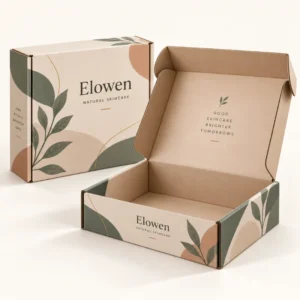
extra large postage box is a single large corrugated box made for an order that is too bulky, tall, or awkward for a standard postal box, such as a bundle of clothing, a set of homeware, or several items packed together for one delivery. It protects the contents through sorting and handling, gives room for padding around fragile parts, and can be printed with your brand so a large parcel still feels like a considered delivery. The key is to match the box to the parcel limits of the carrier you plan to use, and to the weight and shape of the real order inside.
What an extra large postage box is used for
A large postage box earns its size when one order contains several items, or when a single item is long, wide, or unusually shaped. Clothing bundles, bedding sets, shoe collections, toy sets, craft kits, and small homeware collections are common examples. Packing those items in a box that is too small forces folds, bends, and pressure on corners, while packing them in a box that is far too large leaves room for movement and needs a great deal of void fill.
Corrugated board is the usual material because it combines lightness with strength. Single wall board suits lighter bulky orders, while double wall board suits heavier orders and items that will be stacked during transit. The flute, which is the wavy layer inside the board, helps absorb knocks, and the outer liner gives a surface for print and labels. A box that arrives crushed usually points to a board grade that was too light for the weight, or to a box that was underfilled and collapsed under stacking.
Print matters even for a plain transit box. A logo on the outer panels, a handling message, and a clear label area help the parcel look professional and help handlers treat it appropriately. Inside print can carry a thank you note or a returns message, so the customer sees branding again at opening. Keep the label area flat and clear of folds and tape seams, so the address and barcode scan first time.
Size, weight and carrier limits to check first
Before choosing a size, check the maximum length, width, depth, and weight for the service you plan to use. Royal Mail parcel limits are a useful reference for UK posting, and other couriers publish their own limits for larger parcels. Measure the packed box, not just the empty box, because padding and a bulging lid can push a parcel into a larger size band. Weigh the packed box as well, including tape and fill, and compare that total with the service limit.
For a large box, the longest dimension often causes the problem. A tall item packed diagonally may fit inside but leave weak corners, while the same item packed upright with proper padding may need a taller box. Lay the items out, try two or three arrangements, and choose the arrangement that keeps fragile parts away from corners and keeps the centre of gravity low. That test takes a few minutes and prevents many transit problems.
How to measure a packed large box correctly
Measure length, width, and depth at the widest points of the sealed box, with tape in place. Do not pull the tape tight to reduce a measurement, because the box will relax in transit and the carrier measurement will be taken on the parcel as presented. Record the packed weight on the packing bench, and keep a note of the box size against the order type so repeat orders use the same proven pack.
Choosing board and structure for an extra large postage box
Structure choice affects packing speed and protection. A standard flap box, sealed with tape top and bottom, is fast to assemble and suits most large orders. A postal box with a self sealing lid and a crash lock base can be quicker for a team packing many orders, and it gives a cleaner opening experience. For very heavy orders, reinforced corners or an inner board tray can add support without moving to a fully different box style.
Board grade should follow weight and stacking. A light bulky order, such as folded textiles, can travel well in single wall board with modest padding. A heavy order, such as books, homeware, or multiple bottles packed with care, needs stronger board and padding that stops movement. If boxes are stacked in storage or in a van, the bottom box carries the load, so test stacking with the real weight rather than guessing from the board name alone.
Padding choice should match the contents. Paper void fill, shredded board, and moulded paper pulp suit many products and keep the parcel in one material family. Bubble wrap and foam suit very fragile items, but they add a second material for the customer to dispose of. Use just enough padding to stop movement, and place extra protection around corners, handles, and protruding parts rather than filling the whole box loosely.
Branding a large transit box without waste
Large panels give room for branding, but a restrained design often travels better. A logo on two opposite panels, a short brand message, and a clear handling note are enough for most transit boxes. All over dark print can show scuffs more easily, and it uses more ink, so consider using the natural board colour as part of the design. If the box will also be seen on a doorstep photograph, keep the front panel clean and the logo upright in the orientation the customer will see first.
Inside print is worth considering for a large box, because the customer spends longer unpacking a multi item order. A simple welcome message, a packing list, or care advice can sit on the inside of the lid. Keep that text short, and do not place essential returns information only inside the box, because the customer may need it after the box has been recycled.
Label and barcode placement on a large box
Place the main label on the largest flat panel, away from edges, folds, and tape seams. If the box has print on that panel, leave a clear unprinted area for the label at artwork stage. A second label or a returns label, where used, should not cover the main barcode. Check the label after sealing, because a label placed over a bulge or a fold can peel or scan poorly.
Ordering an extra large postage box for your business
Start with your largest regular order type, not with an occasional oversized item. Measure that order packed, weigh it, and choose a box that fits it with padding and without strain. A small range of large sizes, matched to real order groups, is easier to store and faster to pack than a single huge size used for everything. Review the range after a busy period, and note any size that caused damage, excess fill, or carrier size problems.
After final artwork approval, corrugated production is 12 to 15 working days. Build that window into restock plans and seasonal campaigns, and allow time for a packed sample test on a first order. Pack the sample with real products, seal it, stack another box on top if stacking is expected, and open it as a customer would. That test is the best check of board strength and fit.
When you are ready to discuss size, board, and print, you can request a quote for a large postage box, browse the full shop range, and check delivery information for custom orders. For related sizes, see extra large postage boxes for larger parcels and flat postage boxes for slim parcels. For current parcel size guidance, see Royal Mail tracked service sizes.
Packing routine for large orders
Assemble the box fully before placing items inside, and seal the base with a full tape run. Place heavy items low and central, wrap fragile items individually, and fill gaps so nothing shifts when the box is tilted. Close the lid without forcing it, seal with a neat tape run, and check that the box sits flat. A box that rocks or bulges needs repacking, not extra tape.
Storage for large flat packed boxes
Store large flat packs flat, dry, and off the floor, with sizes labelled clearly. Large panels can bend if stored upright against a wall for a long period, and damp storage weakens board quickly. Rotate stock so older packs are used first, and inspect a sample from each delivery for creases, damp marks, or poor cutting before it enters live packing.
Frequently asked questions
When do I need an extra large postage box?
You need one when a single order is too bulky, tall, or multi part for a standard postal box, or when several items are sent together in one parcel. Measure the packed order and compare it with your carrier limits before choosing a size.
What board is best for a heavy large parcel?
Double wall corrugated board suits heavier orders and stacking, while single wall board suits lighter bulky orders such as textiles. Test with the real packed weight, including padding and tape, rather than choosing by board name alone.
Can an extra large postage box be custom printed?
Yes. Logos, handling messages, and inside lid print can all be included. Keep the label area clear and flat, and keep the main logo visible on the panels a customer and handler see first.
How do I avoid a parcel moving into a larger size band?
Measure and weigh the sealed packed box at its widest points, and check those figures against your carrier limits. Avoid overfilling that bulges the lid, and avoid a box far larger than the contents that needs excessive void fill.
How long does corrugated production take after artwork approval?
After final artwork approval, corrugated production is 12 to 15 working days. Confirm timing at the quote stage for any order tied to a fixed launch or campaign date.