
custom presentation boxes
Showing all 2 results
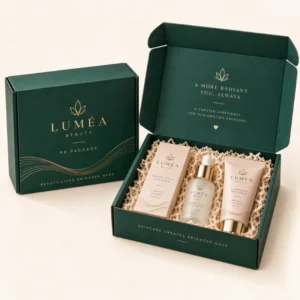
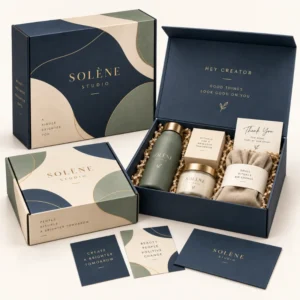
Custom presentation boxes are premium boxes made to present a product, gift or collection in a way that feels considered, luxurious and worth keeping. They are usually built from rigid board or a high quality paperboard, with a fitted insert, a refined closure and print or finishes chosen to match the occasion. Unlike a postal box, which prioritises transit, a presentation box prioritises the moment of opening and the impression it leaves after the product has been removed.
What are custom presentation boxes
A presentation box is a box whose structure and finish are part of the product experience. It may be a rigid lift off lid box, a magnetic closure box, a hinged lid box, a drawer box with a sliding tray, or a two piece base and lid set. The board is thick and non folding, so the box holds its shape in the hand and on a shelf. A printed paper wrap covers the board, and the inside may be lined, printed or fitted with an insert that cradles the product. Those choices together create a sense of weight, care and permanence that a folding carton rarely achieves.
Presentation boxes are used for jewellery, watches, cosmetics, fragrance, spirits, confectionery, stationery, tech accessories, corporate gifts, awards, wedding favours, anniversary gifts and retail collections. In each case, the box signals the value of what is inside before it is seen. A watch in a rigid box with a velvet style insert feels different from the same watch in a plain carton, even if the watch itself is identical. That perceived value is why brands invest in presentation packaging for products where first impression and gifting matter.
Rigid presentation box structures
Lift off lid boxes give a clean, classic reveal: the lid lifts away to show the product in full. Magnetic closure boxes give a satisfying snap on closing and a sense of security, which suits jewellery, cosmetics and premium gifts. Hinged lid boxes stay attached, which suits a box that will be opened repeatedly, such as a keepsake or a collection box. Drawer boxes slide open to reveal a tray, which creates drama for a set or a collection and works well for retail display. Two piece boxes with a separate base and lid are simple, elegant and easy to stack, which suits corporate gifts and retail ranges.
Choosing a structure for your product
Choose a structure from product size, weight, item count and how the box will be used after opening. A single delicate item suits a lift off or magnetic box with a fitted insert. A set with several items suits a drawer box or a hinged box with compartments. A box that will be kept and reused suits a sturdy hinged or magnetic structure with a durable wrap. Test the structure with the real product, because a beautiful box that is awkward to open, hard to close or too large for its contents will disappoint in use.
Materials, wraps and inserts
Rigid presentation boxes are usually made from greyboard or a similar thick board, wrapped in printed paper, textured paper, linen style paper or kraft. The wrap determines much of the look and feel: a matte wrap feels understated, a gloss wrap feels vivid, a textured wrap adds tactility, and a soft touch finish feels velvety in the hand. Inside, inserts can be made from card, foam, moulded pulp, fabric lined board or paperboard trays, depending on product weight and fragility. A fitted insert is essential, because it stops movement, protects surfaces and presents the product at the right height and angle.
Finishes that suit presentation boxes
Finishes for presentation boxes include foil stamping in gold, silver or a brand colour, embossing and debossing for a raised or recessed logo, spot gloss to highlight a detail, and matte or soft touch lamination for a refined surface. Use finishes selectively: a foil logo on a matte wrap, or an embossed pattern on a plain lid, often looks more luxurious than many finishes on one box. Check finishes on a sample, because foil and embossing behave differently on textured paper compared with smooth paper, and a finish that looks strong on screen may be subtle on board.
Designing custom presentation boxes for an occasion
Presentation boxes are often tied to an occasion: a product launch, a birthday, a wedding, a corporate anniversary, a festive season, a retail collection or an award. The occasion should shape colour, message and detail, without making the box so specific that it cannot be reused or gifted again. A festive box, for example, can use a seasonal colour and a short message, while keeping the main structure and logo timeless. A corporate gift box can use brand colours and a restrained logo, with a personal card inside that carries the specific occasion message.
Inside the box, the design should guide the eye to the product first, then to any supporting items or messages. A lid message, a short printed note or a card can add context, but the product should remain the focus. Avoid overfilling a presentation box, because a crowded box looks less premium than a spacious box with a single well presented item and a small amount of tissue or a ribbon detail. Space, in presentation packaging, is itself a luxury signal.
Corporate and retail presentation boxes
Corporate presentation boxes are used for client gifts, employee recognition, onboarding kits, event gifts and partner thank you packs. They should reflect the company brand clearly, without looking like advertising. A restrained logo, a quality wrap and a personal card usually achieve that balance better than a box covered in slogans. Retail presentation boxes, by contrast, need to work on a shelf and in a bag as well as in the hand. They should be stackable, easy to open in store, and consistent across a product range, so customers recognise the range at a glance.
Presentation boxes as keepsakes
Many presentation boxes are kept long after the product is used, for storage, display or sentimental reasons. Designing for keepsake use means choosing a durable board, a wrap that resists scuffs, a closure that still works after many openings, and an inside that looks good empty as well as full. A box that is kept continues to advertise the brand quietly, on a shelf or a desk, for months or years. That long life is a reason to invest in quality materials and finishes, rather than choosing the cheapest structure that looks acceptable on first opening.
Sizing and protection for presentation boxes
Sizing a presentation box is a precise task, because the insert must fit the product exactly and the lid must close without pressure. Measure the product in all dimensions, including any lid, cap, ribbon or packaging it already has, and allow for the insert thickness. A product that sits too low in a deep box can look lost, while a product that sits too high can prevent the lid closing cleanly. A sample insert, tested with the real product, is the best way to confirm height, fit and reveal before production.
Protection in a presentation box is different from protection in a postal box. The presentation box itself is often placed inside an outer shipper for delivery, so the inner box needs to look perfect on arrival, not just survive transit. A protective sleeve, tissue or outer carton can guard finishes during delivery. Inside, a fitted insert protects against movement, while a soft lining or tissue can prevent surface marks on delicate items such as jewellery, glass or coated products. Plan both layers together, so the presentation box arrives as intended.
Artwork and colour for presentation boxes
Artwork for a presentation box should be checked at real size, on the actual wrap material, because colour and detail behave differently on textured paper compared with a screen. Keep the main logo clear and well positioned, usually centred on the lid or placed with generous clear space around it. Small text should be legible and purposeful, such as a brand name, a collection name or a short message. Avoid filling every panel with pattern or text, because restraint is part of the premium look. A proof or sample is essential for colour matching, especially when the box must match existing retail packaging.
Working with a brand palette
A brand palette should be adapted, not simply copied, for a presentation box. A colour that works on a website may need adjustment for print on board, and a colour that works on a small card may dominate a large lid. Test the palette on a sample box in natural light and in retail lighting, and check that text remains readable against the chosen wrap. If a brand colour is critical, discuss colour matching at quote stage and keep a reference sample for future reorders.
Ordering custom presentation boxes
An order brief for presentation boxes should include product dimensions and weights, the number of items per box, the desired structure, wrap type, finishes, insert type, print areas, quantity and any occasion or deadline. Share product samples or accurate photographs where possible, because insert design depends on exact shapes. Rigid and specialist boxes have lead times of 13 to 16 working days after final artwork approval. Those times are planning guidance after approval, not a guaranteed delivery date, so allow extra time for sampling, insert testing and any outer shipper design.
When a sample arrives, test it as a recipient and as a retailer. Open it, close it, lift the product out, put it back, stack it and place it on a shelf. Check the lid fit, the insert hold, the finish quality and the overall feel in the hand. Share the sample with colleagues who were not involved in the design, because fresh eyes often spot an awkward detail that the design team has overlooked. Approve artwork and structure only when the sample feels right in use, not just in photographs.
Related options include custom PR boxes and custom PR packaging. To discuss a presentation design, use get a quote for custom packaging or browse shop all packaging.
Frequently asked questions about custom presentation boxes
What is the difference between a presentation box and a gift box
The terms overlap, but a presentation box is usually a premium, rigid box designed to showcase a specific product, while a gift box can be a simpler box for general gifting. Presentation boxes often have fitted inserts and refined finishes that suit luxury, corporate and retail products.
Which structure suits jewellery or cosmetics
Magnetic closure boxes and lift off lid boxes suit jewellery and cosmetics well, because they open cleanly and hold a fitted insert securely. A drawer box can suit a set or collection, while a hinged box suits a keepsake that will be opened repeatedly.
Can presentation boxes be printed inside
Yes, inside lid print, lining print and printed inserts are all possible for many rigid structures. Inside print works well for a brand message, a care note or a collection story, kept short and legible.
Are presentation boxes suitable for posting
Presentation boxes are usually sent inside a protective outer shipper, because their finishes can scuff in transit. Plan the outer layer at design stage, so the presentation box arrives in perfect condition.
How long do custom presentation boxes take after artwork approval
Rigid and specialist boxes have lead times of 13 to 16 working days after final artwork approval. Allow extra time for sampling, insert testing and outer packaging, especially for a launch or an event date.